
Yellowing rose leaves is one of the most common rose problems gardeners run into and honestly, one of the most confusing, because so many different things can cause the same symptom.
Rose leaves turn yellow from nitrogen deficiency, iron chlorosis, overwatering, underwatering, spider mites, or black spot fungus. The most common culprits are poor soil drainage that drowns roots, lack of nitrogen from depleted soil, or iron lockout in alkaline conditions. Most cases clear up with balanced fertilizer, better watering habits, and treating the soil pH.
I’ve dealt with every one of these causes at least once. The good news is that once you can read what the yellowing is telling you, the fix is usually straightforward.
Let’s go through each cause one by one so you can identify exactly what’s going on with your roses and get them back to looking their best.
Why Are Rose Leaves Turning Yellow?
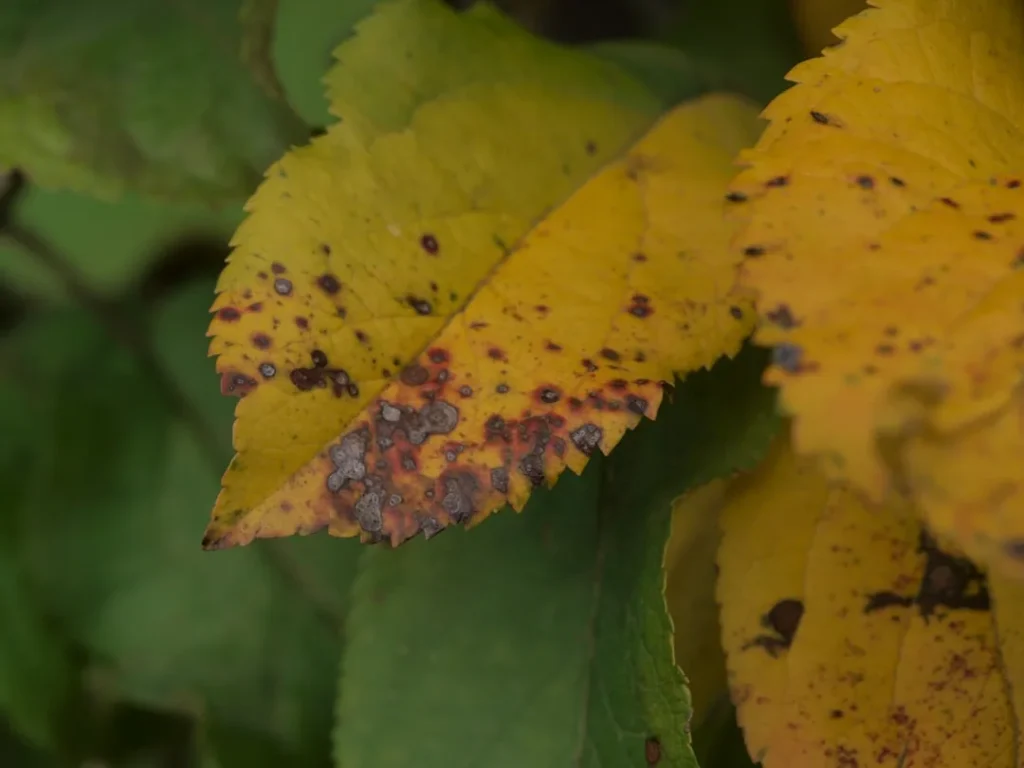
Yellowing rose leaves also called rose leaf chlorosis is your plant’s way of flagging a problem. Chlorosis just means the leaf is losing chlorophyll, which is the green pigment that powers photosynthesis. When chlorophyll breaks down, yellow is what’s left behind.
The tricky part is that different causes produce different yellowing patterns. Learning to read those patterns is the fastest way to zero in on what’s wrong.
Before we get into the individual fixes, it’s also worth knowing that yellowing doesn’t always mean disaster. If you’re noticing a few yellow leaves on lower canes at the end of the season, that’s often just natural shedding. But if it’s spreading fast or covering large portions of the plant, something needs attention.
You might also want to check for holes on rose leaves at the same time pest damage and nutrient problems often show up together.
What Causes Rose Leaves to Turn Yellow?
Here’s a look at the most common causes, how to spot each one, and what to do about it.
Nitrogen Deficiency

How to identify it:
The yellowing starts on the oldest, lowest leaves first and works its way up the plant. The whole leaf goes uniformly pale yellow not patchy, not just the veins. New growth at the tips may still look green initially, while the bottom of the plant looks washed out.
Nitrogen is the nutrient roses need most for leaf and stem production. When the soil runs low which happens when you haven’t fertilized in a while, or after heavy rain has flushed nutrients out the plant pulls nitrogen from older leaves to support new growth.
How to fix it:
Apply a balanced rose fertilizer with a decent nitrogen number (look for something like a 1 – 0-1 – 0-1 – 0 or a rose-specific blend with a first NPK number of 8 or higher). For a faster response, a diluted liquid fertilizer works within a week or two. Follow the package rate usually about 1 cup of granular fertilizer per established bush, worked lightly into the soil and watered in well.
Iron Chlorosis (Alkaline Soil / High pH)

How to identify it:
The leaves turn yellow between the veins, but the veins themselves stay green. This interveinal yellowing is the signature pattern of iron chlorosis. It usually shows up on younger, newer leaves first the opposite of nitrogen deficiency.
Iron chlorosis in roses almost always comes down to soil pH. Roses need a slightly acidic soil, ideally between 6.0 and 6.5. When the pH climbs above 7.0, iron becomes chemically locked in the soil and roots can’t absorb it, even if iron is physically present.
How to fix it:
Test your soil pH first inexpensive test kits are widely available at garden centers. If your pH is too high, add elemental sulfur to bring it down gradually (about 1 – 2 oz per square yard for a modest adjustment). A chelated iron supplement applied as a soil drench or foliar spray can also give more immediate results while the pH corrects over time.
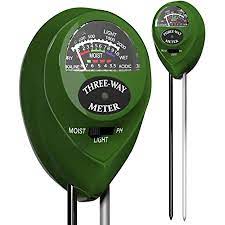
I keep a 3-in-1 soil meter on hand to check moisture depth and pH it takes the guesswork out of whether your roses are getting the right water and whether your soil is drifting toward alkalinity.
Take the guesswork out of watering plants and keeping the soil moist. It is both cost-effective and durable.
Best of all, it also measures pH and light. It’s worth a look.
Overwatering / Poor Drainage

How to identify it:
The leaves look yellow and limp almost waterlogged. You might notice the yellowing spreading across the whole plant rather than starting at the bottom or tips. The soil feels consistently wet or soggy, and you may notice a musty smell around the root zone.
Overwatered roots can’t take up oxygen, which leads to root rot. Once the roots start to fail, the whole plant struggles, and yellowing leaves are one of the first visible signs.
How to fix it:
Let the soil dry out between waterings. Stick your finger 2 inches into the soil only water when it’s dry at that depth. If drainage is the underlying problem (water sitting in the root zone after rain), work in some coarse perlite or horticultural grit to improve soil structure. For container roses, make sure the pot has drainage holes that aren’t blocked.
Underwatering / Drought Stress
How to identify it:
The leaves yellow and become crispy at the edges, sometimes curling inward. The soil will be bone dry an inch below the surface. Unlike overwatering, the plant will look dry and stressed not limp and bloated.
Roses are thirsty plants, especially in summer. They need about 1 – 2 inches of water per week, either from rainfall or irrigation.
How to fix it:
Water deeply and less frequently rather than a light splash every day. A slow, deep soak once or twice a week encourages roots to grow downward. Mulching around the base with 2 – 3 inches of bark mulch will help the soil hold moisture between watering sessions.
Most yellowing problems come down to water either too much or too little. If you’re not sure which you’re dealing with, check the soil 2 inches down before you do anything else.
Black Spot Fungal Disease
How to identify it:
Look for circular black spots with fringed or irregular edges on the leaves. The tissue around those spots turns yellow, and affected leaves drop off quickly. Black spot spreads fast in warm, wet weather when leaves stay damp for extended periods.
Black spot is one of the most common rose diseases worldwide. Once it takes hold, it can defoliate a bush in a matter of weeks.
How to fix it:
Remove and bin (don’t compost) any infected leaves both on the plant and on the ground. Apply a fungicide labeled for black spot on roses; neem oil is a good organic option at 2 tablespoons per gallon of water, applied every 714 days. Make sure you’re watering at the base of the plant, not overhead, to keep foliage dry.
For a full breakdown of this disease, see the guide on black spots on rose leaves.
Spider Mites
How to identify it:
Tiny yellow or bronze speckling on the upper surface of leaves almost like someone has dusted the leaves with fine sand. Turn a leaf over and look for tiny moving dots and fine webbing, especially in dry, hot weather. Heavily infested leaves will go fully yellow and drop.
Spider mites thrive when it’s hot and dry, and they can multiply very quickly if left unchecked.
How to fix it:
Blast the undersides of leaves with a strong stream of water to knock mites off do this in the morning so leaves dry quickly. Follow up with an insecticidal soap spray or neem oil solution (2 tablespoons neem + 1 teaspoon dish soap per gallon of water). Repeat every 5 – 7 days for 3 – 4 weeks to break the life cycle.
You’ll find more detail on pest identification including what’s eating rose leaves beyond mites in the guide to what’s eating your rose leaves.
Natural Aging / Seasonal Leaf Drop
How to identify it:
A few lower leaves turn yellow and drop in late summer or early autumn, particularly on the inside of the bush where air circulation is lower and light doesn’t reach well. The rest of the plant looks healthy. No spots, no webbing, no pattern of stress.
How to fix it:
Nothing needs fixing. This is normal. Clean up the dropped leaves to keep the area tidy and to reduce overwintering habitat for fungal spores and pests.
How to Diagnose the Cause: Quick Reference Table
| Cause | Visual Pattern | Solution |
|---|---|---|
| Nitrogen deficiency | Uniform pale yellow on older, lower leaves | Balanced rose fertilizer (NPK 1 – 0-1 – 0-1 – 0 or similar) |
| Iron chlorosis | Yellow between veins, veins stay green; new leaves first | Lower soil pH; chelated iron |
| Overwatering | Limp yellow leaves, soggy soil | Reduce watering; improve drainage |
| Underwatering | Crispy yellow edges, dry soil | Deep watering 1 – 2Ã per week; mulch |
| Black spot | Black spots + yellow surrounding tissue; leaf drop | Remove infected leaves; neem oil or fungicide |
| Spider mites | Fine speckled yellowing; webbing on undersides | Water blast; neem oil spray every 5 – 7 days |
| Natural aging | A few lower leaves only; plant otherwise healthy | None needed |
How to Prevent Yellow Leaves on Roses
Getting ahead of the problem is always easier than fixing it after the fact.
Feed consistently.
Roses are heavy feeders. Apply a balanced rose fertilizer at the start of spring growth, again after the first flush of flowers, and once more in midsummer. Stop feeding about 6 weeks before your first expected frost to avoid pushing tender growth into cold weather.
Water correctly.
Deep, infrequent watering is the goal about 1 – 2 inches per week at the base of the plant. Never water overhead if you can avoid it. Wet foliage is an open invitation for fungal disease.
Test and amend your soil pH.
Roses prefer 6.0 – 6.5. Test once a year in spring and adjust with sulfur (to lower) or garden lime (to raise) as needed. This single step prevents iron chlorosis and supports nutrient absorption across the board.
Mulch generously. A 2 – 3 inch layer of organic mulch around the base regulates soil temperature, holds moisture, and suppresses weeds. Keep the mulch a few inches clear of the cane bases to prevent crown rot.
Prune for airflow.
Good air circulation reduces humidity around leaves, which makes it much harder for fungal diseases like black spot to get started. Remove crossing or congested canes in early spring.
Scout regularly.
Check the undersides of leaves once a week during the growing season. Catching spider mites, aphids, or early black spot before they spread makes treatment far simpler. At the same time, watch for any brown spots on rose leaves that could signal other fungal issues developing alongside yellowing.
Use neem oil as a preventative.
A monthly neem oil spray (2 tablespoons per gallon of water) during the growing season discourages both fungal spores and soft-bodied insects before they become a real problem.
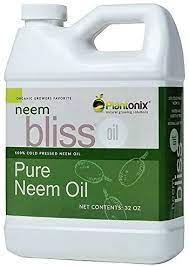
I use neem oil as a monthly preventative spray during the growing season it handles both fungal spores and soft-bodied insects before they become a real problem.
I use bliss pure neem oil from Amazon for a great price. It works great when it comes to shining leaves and provides a layer of protection for plants against common pests.
When to Worry
Most yellowing on roses responds well to the fixes above. But there are a few situations where it’s worth taking more urgent action.
If the entire plant is yellowing rapidly and leaves are dropping in large numbers especially combined with wilting suspect root rot or a more serious vascular disease. At that point, check the roots: healthy roots are white or cream-colored; rotted roots are brown, mushy, and smell bad.
If yellowing is paired with unusual swellings, distorted growth, or a sticky residue on stems, look carefully for scale insects or aphid colonies, which can cause widespread chlorosis.
And if you’ve corrected watering, fertilized, and treated for disease but the yellowing continues to spread, a soil test is your best next step there may be a mineral imbalance (like excess phosphorus blocking iron uptake) that needs to be addressed at the soil level.
Frequently Asked Questions
Should I remove yellow leaves from my rose bush?
Yes remove them and dispose of them in the bin, not the compost pile. Yellow leaves rarely recover, and leaving them on the plant (or on the ground beneath it) can harbor fungal spores and pests.
Can yellow rose leaves turn green again?
Once a leaf has turned fully yellow, it won’t green back up chlorophyll loss is irreversible in that tissue. But once you fix the underlying cause, new growth will come in healthy and green.
How often should I fertilize roses to prevent yellowing?
During the growing season, fertilize every 4 – 6 weeks with a balanced rose fertilizer, starting in early spring. Stop feeding about 6 weeks before your first frost date.
Why are only the lower leaves on my rose turning yellow?
Lower leaves yellowing first usually points to nitrogen deficiency or normal aging as the plant sheds older foliage. If the lower leaves also have black spots, black spot disease is the more likely cause.
Can too much sun cause rose leaves to turn yellow?
Intense, direct sun in very hot climates can cause a bleached-out yellowing or pale green coloring, but this is less common than nutrient or water issues. Roses generally love full sun (6+ hours daily), so true sun scorch is unusual.
The Bottom Line
Yellow leaves on roses look alarming, but they’re almost always telling you something specific and fixable. The pattern of the yellowing which leaves, which part of the leaf, how fast it spreads is your biggest clue.
Start with the basics: check your watering habits, test your soil pH, and make sure your roses are getting fed through the season. Those three steps alone will prevent the vast majority of yellowing problems before they even start.
If you take one thing away from this: read the pattern first, then act because the right fix for nitrogen deficiency is the wrong fix for iron chlorosis, and treating for fungus won’t help a plant that’s simply thirsty.
Related Posts
- Holes on Rose Leaves: Causes and Fixes
- Black Spots on Rose Leaves: Causes and Solutions
- Cucumber Leaves Turning Yellow: Why It Happens and What to Do
- Yellow Leaves on Tomato Plants: Causes and Fixes
- Lavender Leaves Turning Yellow: What’s Wrong and How to Help
Related Articles
Pepper leaves curling? Learn the 7 most common causes — from underwatering and heat stress to aphids and viral disease — plus step-by-step fixes to help your plants recover fast.
Pepper Leaves Turning Yellow: Why It Happens and How to Fix It
Pepper plant leaves turning yellow? Learn the 7 most common causes — from nitrogen deficiency to overwatering — and get specific, actionable fixes to bring your pepper plants back to health.