
You’re standing in the garden center staring at bags of composted cow manure, chicken manure, and aged horse manure and you have no idea which one is actually going to make your tomatoes thrive. It’s a genuinely confusing choice, and it matters more than most gardeners realize.
The best manure for tomatoes is well-aged or composted cow manure, which delivers balanced nitrogen, phosphorus, and potassium without burning roots. Chicken manure works excellently when composted for at least 6 months due to its high nitrogen content. Horse manure improves soil structure significantly but must be aged to prevent weed seeds from sprouting. Apply 2 – 3 inches of aged manure around tomato plants at planting time, then side-dress with another inch mid-season for the strongest results.
From my years of growing tomatoes in raised beds and in-ground plots, I’ve tested all three of these and I’ve made the mistake of applying fresh manure once. My plants looked miserable for two weeks. Lesson learned.
Knowing which manure to use and how to apply it are two very different things. Get the type right but apply it incorrectly and you’ll still end up with burned roots or leggy plants. Let’s break it all down.
Cow Manure for Tomatoes
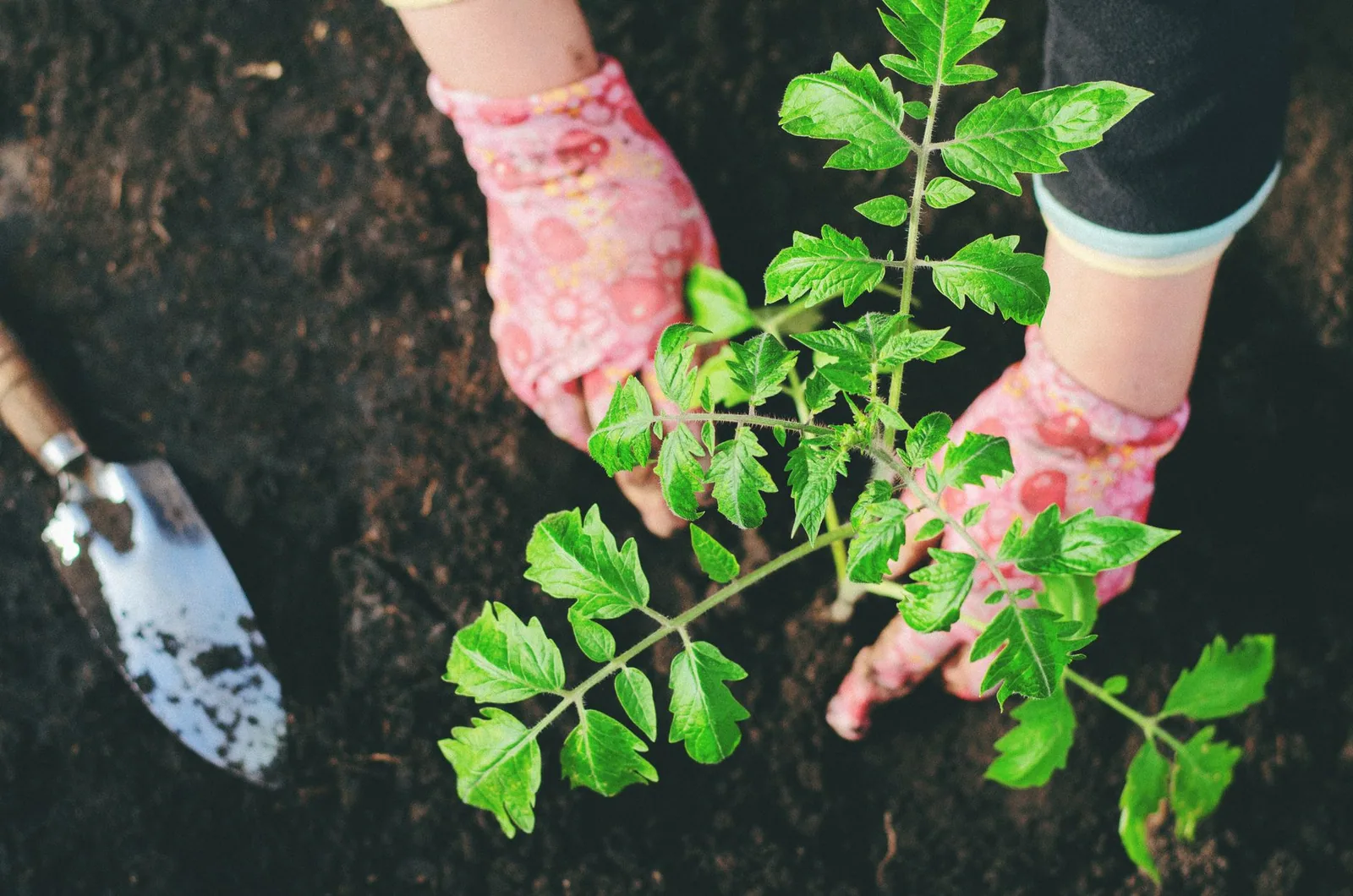
Cow manure is the most popular choice for tomatoes and for good reason. It’s mild, well-balanced, and widely available whether you’re buying it in bags or sourcing it from a local farm.
The NPK ratio of composted cow manure typically runs around 0.5 – 0.5 – 0.5, which sounds modest, but that’s actually a feature, not a bug. Tomatoes need consistent, slow-release feeding rather than a nitrogen spike that pushes all-leaf, no-fruit growth.
Aged cow manure also improves soil texture dramatically. It adds organic matter that loosens clay soils and helps sandy soils retain moisture — both of which tomatoes need for deep, healthy root development.
Why it works so well:
- Low burn risk when fully composted
- Feeds slowly over the whole growing season
- Improves drainage and water retention simultaneously
- Easy to find at most garden centers year-round
One thing to watch: always check that the manure is fully composted. Bagged products labeled “composted cow manure” from reputable garden brands are almost always safe. If you’re buying in bulk from a farm, ask how long it’s been aging you want at least 3 – 6 months minimum.
Chicken Manure for Tomatoes
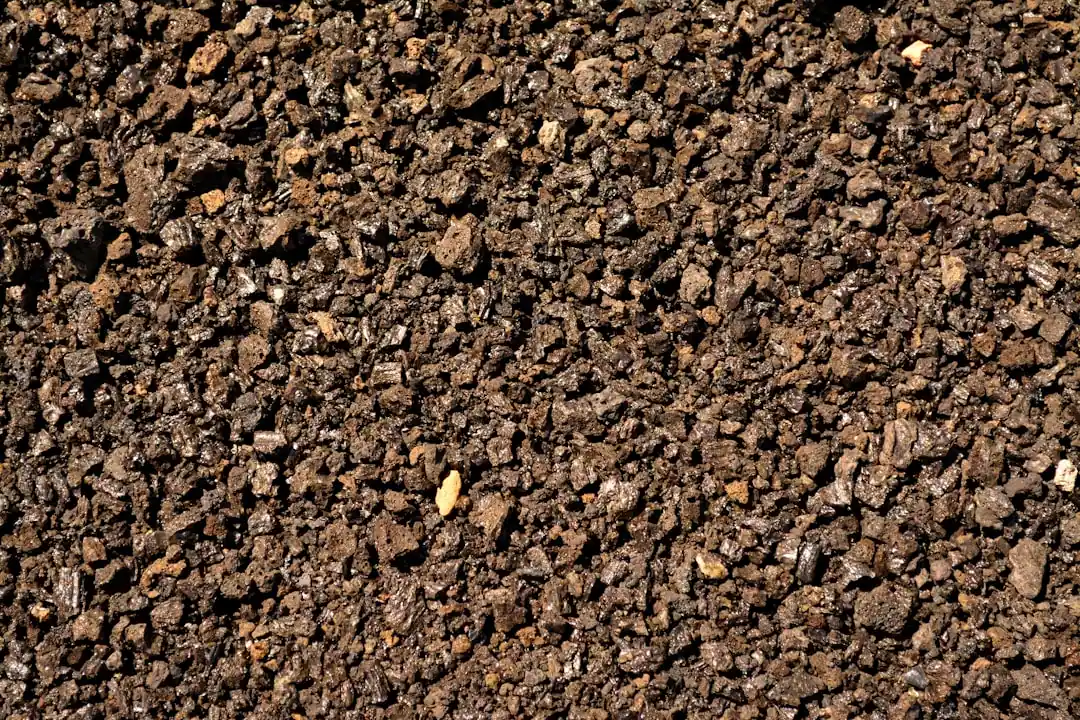
Chicken manure is the powerhouse of the manure world. It has a much higher nitrogen content than cow or horse manure NPK ratios around 3-2.5-1.5 are common — which makes it excellent for heavy-feeding crops like tomatoes.
That higher nitrogen is a double-edged sword, though. Fresh or under-composted chicken manure can easily burn your tomato roots. The ammonia levels in raw chicken manure are high enough to damage plants within days of application.
The rule I follow: chicken manure must be composted for at least 6 months before going anywhere near tomato plants. Pelletized chicken manure (sold in bags at most garden centers) has been heat-treated and is generally safe to use as directed.
When applied correctly, chicken manure produces some of the most vigorous tomato plants I’ve grown. The nitrogen boost early in the season supports strong stem and leaf development, and the phosphorus aids fruit set later on.
Tip: If you’re using pelletized chicken manure, broadcast it across the bed and work it into the top 3 – 4 inches of soil at least 2 weeks before transplanting. This gives any remaining hot spots time to mellow.
Apply sparingly about half the volume you’d use with cow manure. A little goes a long way.
Horse Manure for Tomatoes
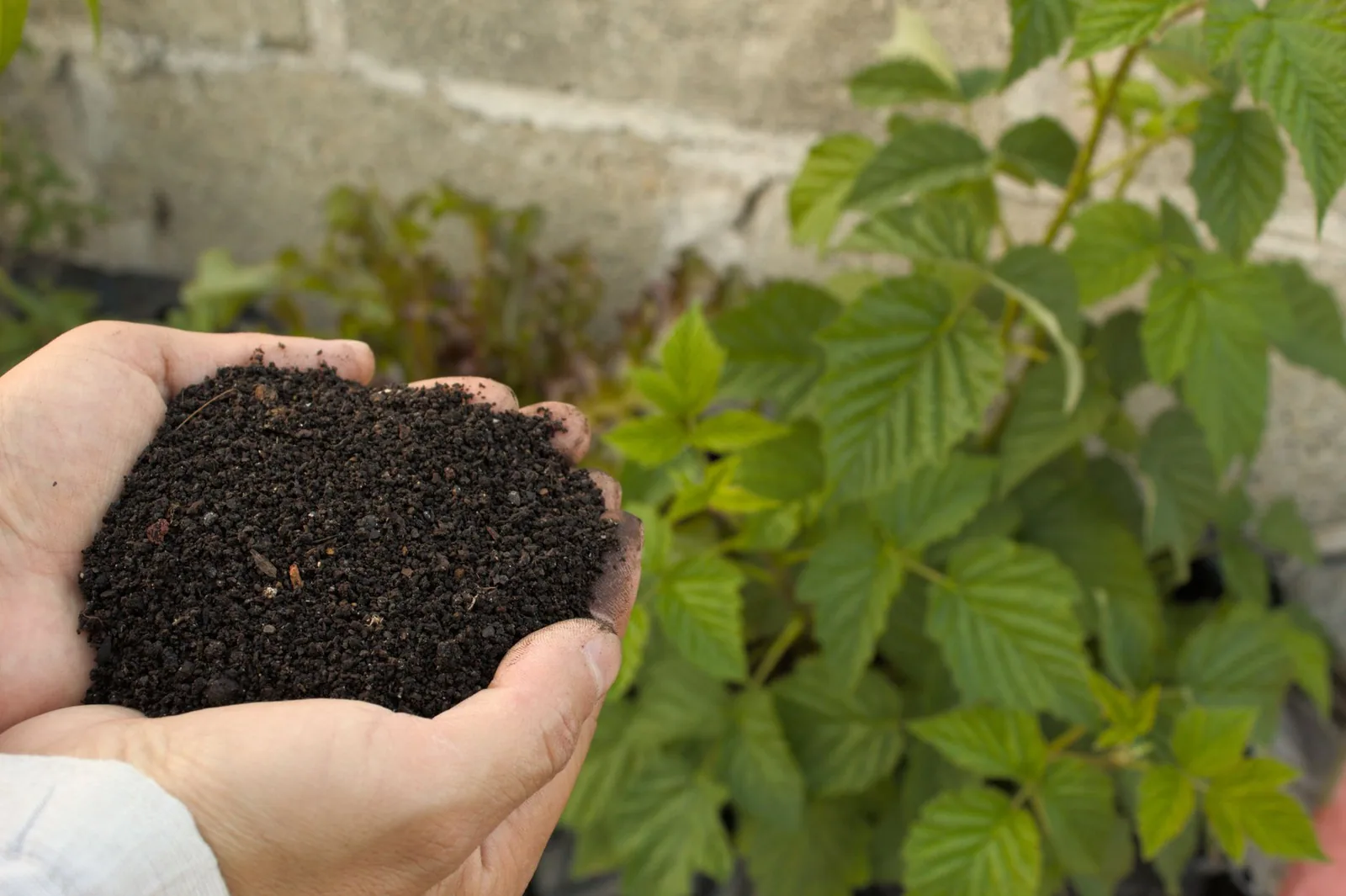
Horse manure is a fantastic soil builder. It’s rich in organic matter and fiber, which feeds soil microbes and dramatically improves soil structure over a season. If you have access to it from a local stable or farm, it can be a cost-effective way to condition your tomato beds.
The challenge with horse manure is twofold. First, horses don’t fully digest plant material the way cows do, which means horse manure is often packed with viable weed seeds. Second, fresh horse manure can run hot it generates heat as it decomposes, which can damage roots and disrupt soil biology.
Aging horse manure for at least 6 – 12 months solves both problems. The heat of decomposition kills most weed seeds, and the nitrogen mellows into a slow-release form that’s far friendlier to tomato roots.
The NPK of well-aged horse manure lands around 0.7 – 0.3 – 0.6 slightly higher in nitrogen than cow manure but more uneven in phosphorus. I often blend aged horse manure with a small amount of composted chicken manure to round out the nutrient profile.
For more on which type of manure best fits your soil and growing goals, the guide on choosing the best type of manure is worth reading before you decide.
Other Manure Options Worth Knowing
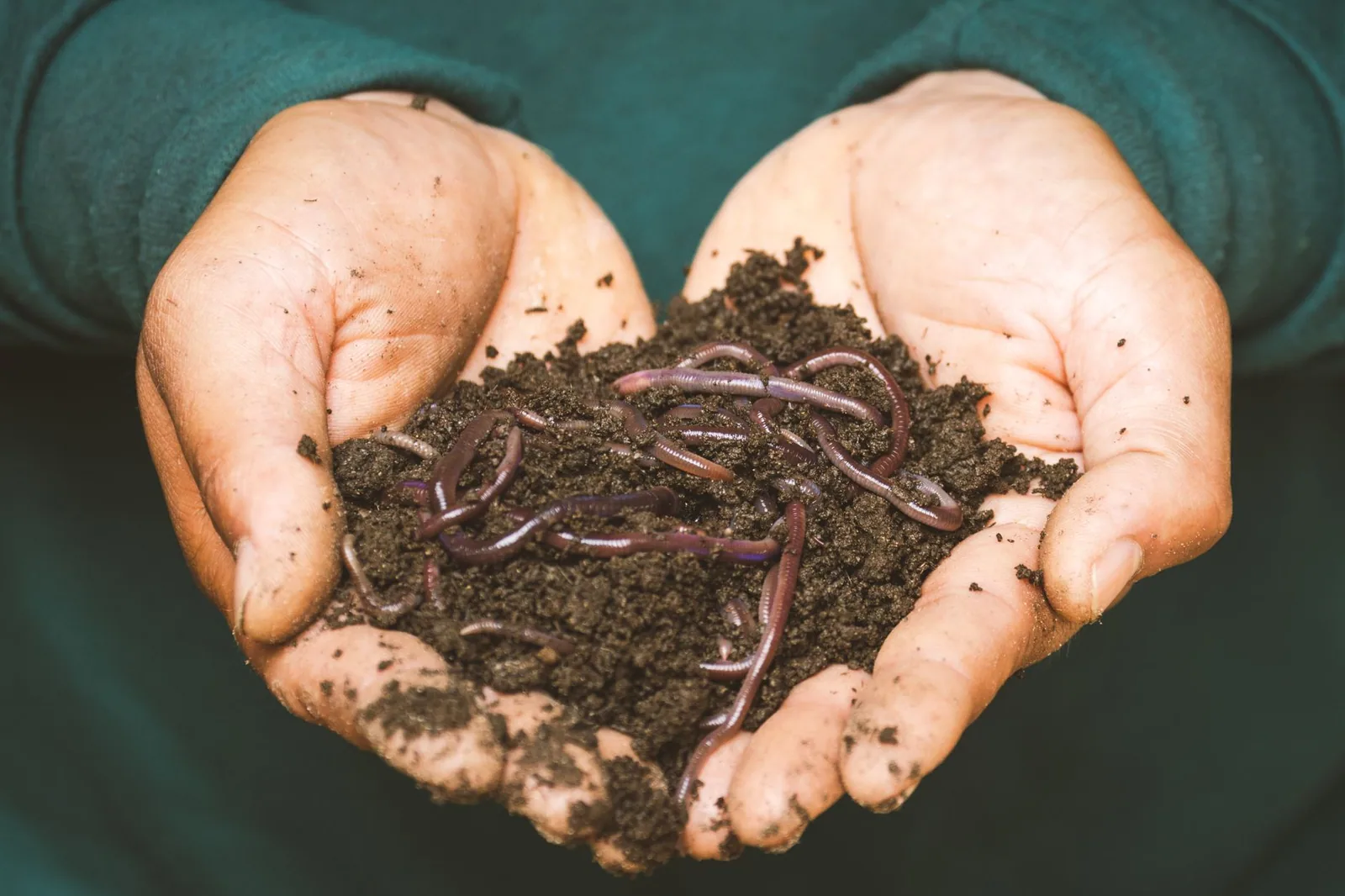
While cow, chicken, and horse manure are the big three, a few other types are worth mentioning.
Rabbit manure is one of the best-kept secrets in vegetable gardening. It has an NPK of around 2- 1 – 1, it doesn’t burn plants even when applied fresh (it’s classified as a “cold” manure), and it breaks down quickly. If you have access to rabbit manure, use it generously around your tomatoes.
Worm castings aren’t technically manure, but they function similarly and are exceptionally gentle. They’re rich in beneficial microbes and slow-release nutrients. Mix them into potting soil for container tomatoes or top-dress raised beds for a mid-season boost.
Sheep manure falls between cow and chicken manure in terms of strength. It’s balanced and mild, with an NPK around 0.7 – 0.3 – 0.9, and it’s a good all-around choice if you can source it.
Pig and dog manure should never be used in vegetable gardens. Both carry pathogens that can contaminate edible crops.
If you’re deciding between manure and compost entirely, the comparison in this compost versus manure guide lays out the tradeoffs clearly both have a place in a tomato bed, but they serve different functions.
How to Apply Manure to Tomato Plants
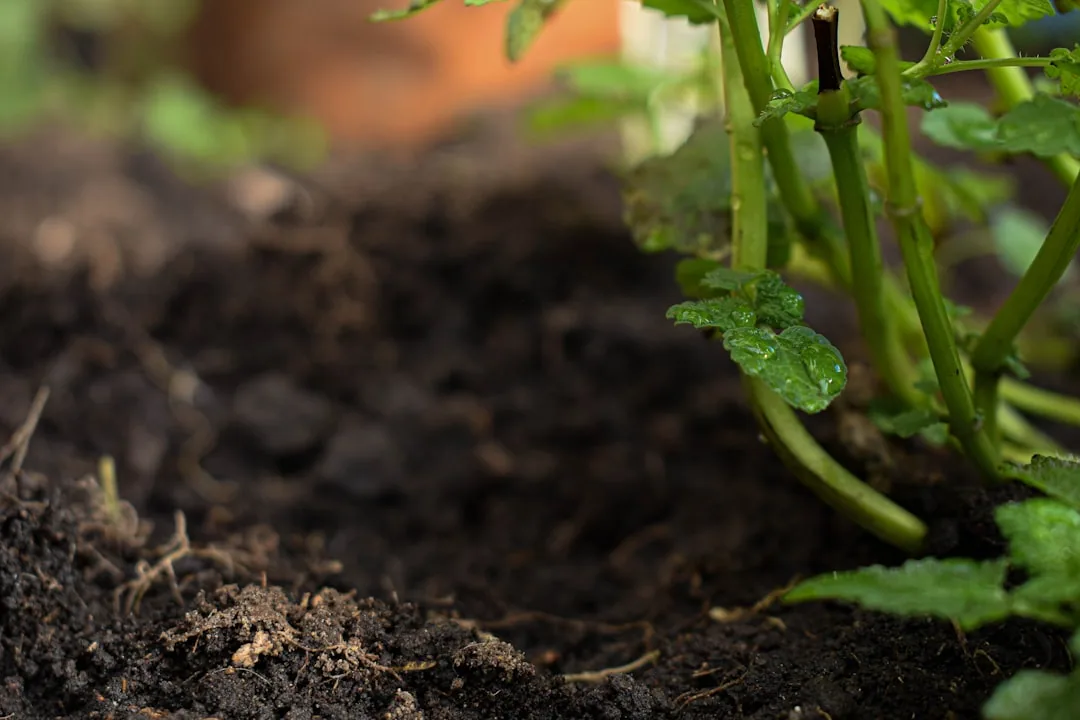
Getting the application right is just as important as choosing the right type. This is where a lot of gardeners go wrong either applying too much, applying it at the wrong time, or skipping the aging check.
At Planting Time
Work aged manure into the soil:
Apply 2 – 3 inches of composted manure across the entire bed and dig it into the top 8 – 1 – 0 inches of soil before transplanting. This gets the nutrients deep enough for roots to find them.
If you’re digging individual planting holes, add a generous handful of composted manure to the bottom of each hole, then cover with 2 inches of plain soil before placing the transplant. Direct contact between fresh roots and concentrated manure even aged manure can cause stress.
Mid-Season Side-Dressing
Side-dress once tomatoes begin to set fruit:
Sprinkle 1 inch of aged manure in a ring around each plant, starting about 6 inches from the stem and extending 1 – 2 inches outward. Avoid piling it against the stem, which can promote rot.
Water it in well after application. The nutrients will slowly work their way down to the root zone over the following weeks.
For a detailed walkthrough of working amendments into your soil correctly, this guide on mixing manure into your soil covers the technique in full.
Quantities to Use
| Manure Type | At Planting | Mid-Season |
|---|---|---|
| Composted cow manure | 2–3 inches worked in | 1 inch side-dress |
| Composted chicken manure | 1 inch worked in | ½ inch side-dress |
| Aged horse manure | 2–3 inches worked in | 1 inch side-dress |
| Rabbit manure | 1–2 inches worked in | 1 inch side-dress |
Fresh vs. Aged Manure: Why It Matters
This is the single most important distinction to understand before applying anything to your tomato beds.
Fresh manure is still biologically active. It generates heat as bacteria break down organic material, and it contains high levels of ammonia and sometimes harmful pathogens like E. coli and Salmonella. Applied around food crops, this is a genuine health and plant safety concern.
Aged or composted manure has completed the hot decomposition phase. The temperature in a proper compost pile can reach 130–160°F (5 – 4–7 – 1°C), which kills most pathogens and weed seeds. What’s left is a dark, crumbly, earthy-smelling material that is safe, stable, and immediately available to plants.
The USDA National Organic Program requires that raw manure be incorporated at least 120 days before harvest for crops that contact the soil (like root vegetables) and 9 – 0 days before harvest for crops that don’t. For tomatoes, applying raw manure well before transplanting — and then relying on composted manure for in-season applications — is the safe, conservative approach.
When in doubt, buy bagged composted manure. The heat-treatment process used in commercial composting removes the guesswork.
Pairing Manure with Other Tomato Amendments
Manure alone does a great job, but tomatoes are heavy feeders that benefit from a layered approach to soil fertility.
I use manure as my foundation amendment and then supplement with a few targeted additions through the season. If you’re interested in how simple household ingredients can support your tomatoes alongside manure, the guide on banana peel water for tomatoes covers a natural potassium boost that pairs well with a nitrogen-heavy manure program.
For overall plant health and root support, I’ve also found that hydrogen peroxide for plants — diluted to a 3% solution — helps oxygenate the root zone and keep soil pathogens in check, particularly useful when amending with manure in wet conditions.
Quick Reference: Best Manure for Tomatoes
| Manure Type | NPK (approx.) | Burn Risk | Aging Required | Best Use |
|---|---|---|---|---|
| Cow manure | 0.5–0.5–0.5 | Low | 3–6 months | General all-season amendment |
| Chicken manure | 3–2.5–1.5 | High if fresh | 6+ months | Early-season nitrogen boost |
| Horse manure | 0.7–0.3–0.6 | Medium | 6–1 – 2 months | Soil structure improvement |
| Rabbit manure | 2–1–1 | Very low | None required | Safe fresh application |
| Sheep manure | 0.7–0.3–0.9 | Low | 3–6 months | Balanced general use |
Frequently Asked Questions
How much manure should I add to my tomato garden?
Work 2–3 inches of composted cow or horse manure into the bed before planting, or use 1 inch of composted chicken manure. Side-dress once mid-season with about half those quantities. More is not better — excess nitrogen pushes leafy growth at the expense of fruit.
Can I use fresh manure on tomatoes?
Not recommended. Fresh manure burns roots, may contain pathogens, and can introduce weed seeds. Always use manure that has been composted for at least 3–6 months (6–1 – 2 months for horse manure). For food safety, the USDA advises applying raw manure no fewer than 9 – 0 days before harvest.
Is cow or chicken manure better for tomatoes?
Cow manure is safer and easier to use for most home gardeners. Chicken manure is more nutrient-dense but requires careful composting and lighter application rates. If you’re new to using manure, start with composted cow manure.
When should I apply manure to tomatoes?
The best time is 2–4 weeks before transplanting, worked into the soil. A second application as a side-dress once fruits begin forming provides a helpful mid-season boost.
Can I use manure in containers for tomatoes?
Yes, but blend it into a quality potting mix rather than using it straight. A mix of 7 – 0% potting soil and 3 – 0% composted manure works well. Avoid chicken manure in containers unless it’s fully composted and pelletized — the concentration in a small container can be too intense.
Does manure replace fertilizer for tomatoes?
For many home gardeners, aged manure provides enough baseline nutrition. However, during fruiting, an additional dose of balanced organic fertilizer (like a 5-5-5 formula) can support heavy production. Think of manure as your soil conditioner and slow-release foundation, and liquid fertilizer as a targeted supplement.
I keep a balanced soil fertilizer on hand for mid-season applications when manure alone isn’t quite enough to sustain heavy fruit production.
If you are looking to provide the best soil nutrients for your plants, Burpee Organic All Purpose Granular Plant Food is a go-to for many successful gardeners because it gets results. It ensures your plants grow and bear as they should.

The Bottom Line
The best manure for tomatoes comes down to what you can access, how much time you have to prep, and what your soil needs most. Composted cow manure is the safest, most versatile starting point — balanced, gentle, and widely available. Chicken manure delivers a stronger nitrogen punch but demands careful composting and lighter application. Horse manure builds excellent soil structure when properly aged.
Whatever you choose, aging and composting are non-negotiable. Fresh manure near food crops is a root-burn and food-safety problem waiting to happen. A well-composted amendment, worked into the bed a few weeks before transplanting and side-dressed mid-season, will give your tomatoes a steady, sustained nutrient supply from spring through harvest.
Start with composted cow manure if you’re unsure — apply 2–3 inches worked into the soil before planting, then side-dress with an inch once fruit sets, and your tomatoes will have everything they need to thrive.
Related Posts
- Coffee Grounds for Tomatoes
- Using Epsom Salt for Tomatoes
- Compost vs. Manure: Which Is Better for Your Garden?
- Banana Peel Water for Tomatoes
- Hydrogen Peroxide for Plants
Looking at the text provided, the post is already complete — it ends with The Bottom Line and Related Posts sections. The only missing element is the meta description.
Common Mistakes to Avoid When Using Manure on Tomatoes
Even experienced gardeners trip up here. Manure is forgiving in the long run, but a few common errors can set your tomatoes back weeks — or worse, introduce pathogens to edible fruit.
Using fresh manure too close to planting.
This is the most common mistake. Fresh manure burns roots, throws off soil pH, and carries bacteria like E. coli that can contaminate the plant and fruit. Always use fully composted manure, or apply fresh manure in fall so it has months to break down before spring planting.
Applying too much.
More is not better with manure. Overloading soil with nitrogen produces lush, dark green plants with very little fruit — the plant channels all its energy into foliage. Stick to the recommended 2–3 inches worked in at planting, not a 6-inch layer.
Using cat or dog waste.
Pet waste is not garden-safe. It carries parasites and pathogens that composting at home does not reliably destroy. Stick to herbivore manures — cow, horse, chicken, sheep, or rabbit.
Skipping a soil test.
If your soil is already nitrogen-rich, adding heavy manure applications can push levels into a range that harms rather than helps. A quick soil test before you amend saves you from overcorrecting.
Side-dressing at the wrong time.
Adding a nitrogen-heavy amendment once the plant is already flowering and setting fruit encourages the plant to divert energy back to leaf growth. Time your side-dressing to just as the first flowers open or fruit begins to set — not after.
Frequently Asked Questions
Can I use fresh manure on tomatoes?
Not safely, and not close to planting time. Fresh manure can burn roots and carry harmful bacteria. If you have access to fresh manure, incorporate it into your beds in fall so it has the full winter to break down. By spring it will be safe to plant into.
How often should I apply manure to tomato plants?
Twice per season is generally enough. Work composted manure into the soil 2–4 weeks before transplanting, then side-dress with an inch of composted manure once fruit begins to set. More than that risks nitrogen overload and excessive foliage growth at the expense of fruit.
Is bagged manure as good as farm-fresh composted manure?
Bagged composted manure is a perfectly good option, especially for gardeners who don’t have access to a farm or stable. It is pre-composted, odor-reduced, and consistent. The trade-off is cost — bulk farm manure is significantly cheaper if you have the space and time to compost it yourself.
Can I mix different types of manure?
Yes. Mixing cow and chicken manure, for example, balances the gentle conditioning of cow with the nitrogen punch of chicken. Just be sure both are fully composted before mixing and applying.
Will manure make my tomatoes taste different?
Good composted manure improves soil biology and nutrient availability, which tends to produce better-tasting, more flavorful tomatoes. There is no transfer of odor or taste from the manure itself to the fruit.
What if I don’t have access to any manure?
Compost is the closest substitute and works beautifully. You can also use worm castings as a gentle, nitrogen-rich amendment. For a targeted nitrogen boost, fish emulsion or a balanced organic granular fertilizer fills the gap.
Can I use manure in containers for tomatoes?
In small amounts, yes — but containers limit how much you can add without throwing off the growing medium. Mix no more than 1 – 0–1 – 5% composted manure into your container potting mix. A heavier ratio compacts over time and may cause drainage problems.
The Bottom Line
Manure is one of the oldest and most reliable ways to feed tomatoes, and for good reason — it does more than deliver nutrients. It rebuilds soil structure, feeds beneficial microbes, and creates the kind of rich, moisture-retentive environment that tomatoes genuinely thrive in.
The key is using the right type at the right time. Chicken manure for a nitrogen boost early in the season, cow or horse manure for long-term soil conditioning, worm castings when you need something gentle and container-friendly. Always composted, never fresh. Applied a few weeks before planting so the soil has time to settle.
Done right, manure feeding gives you healthier plants, bigger harvests, and tomatoes that actually taste like tomatoes — and that’s the whole point.
—
Related Posts
- How to Fertilize Tomatoes: When, What, and How Much
- Composting for Beginners: Build Better Soil from Scratch
- Best Soil for Tomatoes in Raised Beds and Containers
- Why Are My Tomato Leaves Turning Yellow? (Causes + Fixes)
Related Articles
Pepper leaves curling? Learn the 7 most common causes — from underwatering and heat stress to aphids and viral disease — plus step-by-step fixes to help your plants recover fast.
Pepper Leaves Turning Yellow: Why It Happens and How to Fix It
Pepper plant leaves turning yellow? Learn the 7 most common causes — from nitrogen deficiency to overwatering — and get specific, actionable fixes to bring your pepper plants back to health.