
You head out to check on your roses and something has beaten you to them. The leaves are riddled with holes, stripped to the veins, or have neat little semicircles cut out of the edges. Sound familiar?
Rose leaves are typically eaten by Japanese beetles, rose slugs, aphids, leafcutter bees, or caterpillars. Japanese beetles leave skeletonized foliage with only the veins intact, rose slugs create translucent windowpane patches on leaf undersides, aphids cluster on new growth and cause distortion and curling, leafcutter bees cut perfect circular or semicircular holes from leaf margins, and caterpillars chew irregular holes along the edges.
Most of these pests are controllable with handpicking, insecticidal soap, or neem oil and your roses can recover fully with the right approach.
Before reaching for anything, take a close look at both sides of your damaged leaves. The culprit often leaves clues beyond just the holes themselves.
What’s Causing the Damage? Identifying Rose Leaf Pests by Pattern

The type of damage tells you almost everything. Skeletonized leaves point to a different pest than clean-cut circles, and windowpane patches on the underside are a world away from ragged chewed edges.
If you’re seeing holes without a clear pattern, this guide on holes on rose leaves is a useful companion it breaks down damage shapes in even more detail.
Here’s how to read what you’re seeing.
Japanese Beetles Skeletonized Leaves
Japanese beetles are one of the most recognizable rose pests. They eat the soft leaf tissue between the veins, leaving the leaf looking like a dried-out net or skeleton.
The damage is distinctive: the veins stay intact while everything else disappears. You’ll often find groups of metallic green-and-copper beetles feeding together in the hottest part of the day.
They’re active from late June through August across most of the United States. If you see the skeletonized look on multiple leaves at once, suspect Japanese beetles immediately.
Rose Slugs Windowpane Patches and Thin Spots
Rose slugs aren’t actually slugs they’re the larvae of the bristly rose sawfly. They’re pale yellow-green and small, and they feed on the underside of leaves by scraping away the surface tissue without fully penetrating the leaf.
This creates a translucent, windowpane effect where the leaf looks bleached or papery in patches. As the larvae grow, they eventually chew all the way through, creating irregular holes.
Flip a damaged leaf over and look carefully. If you see small pale caterpillar-like creatures hugging the underside, you’ve found your pest.
Aphids Distorted, Sticky New Growth
Aphids are tiny (about 1 – 2 mm), soft-bodied insects that cluster on the newest shoots and buds. They don’t chew holes they pierce the leaf tissue and suck out the sap.
The result is distorted, puckered, or curling leaves on new growth rather than clean holes. You’ll often see the aphids themselves green, black, or pinkish clusters on the stems or undersides of young leaves.
Aphids also excrete a sticky substance called honeydew. If you notice a sticky residue on your rose leaves, that’s a strong sign aphids are or were present. Ants farming the aphids is another telltale sign.
Leafcutter Bees Perfect Circular or Semicircular Cuts
If your rose leaves have clean, precise circular or half-moon shaped pieces removed from the edges, leafcutter bees are almost certainly the cause. Unlike most pests, they aren’t eating the leaf they’re cutting pieces to line their nests.
This damage looks almost surgical. There are no ragged edges, no chewing marks just smooth, perfect cutouts. Leafcutter bees are solitary, beneficial pollinators, and they don’t harm the overall health of the plant.
The damage is cosmetic. Unless they’re hitting the same leaves repeatedly, most gardeners choose to leave them alone.
Caterpillars Irregular Holes Along Leaf Edges
Several moth and butterfly caterpillars feed on rose leaves. The damage is usually ragged, irregular holes often starting from the leaf margin and working inward.
Caterpillar feeding tends to happen overnight or in the early morning, which is why you might see fresh damage without spotting the pest. Check the undersides of leaves and along stems early in the morning. Look for frass (tiny dark droppings) on or below the leaves a reliable sign caterpillars are active.
Deer and Rabbits Whole Canes Stripped
If larger sections of your rose are missing entire stems eaten down, canes stripped of leaves the culprit may not be an insect at all. Deer bite cleanly through stems and can decimate a rose bed overnight. Rabbits tend to feed closer to the ground.
This is worth considering if you’re in an area with wildlife and the damage appeared very suddenly and at scale.
How to Confirm the Pest
Reading the damage pattern gets you close. To confirm, follow these steps.
Check both sides of the leaf:
Turn affected leaves over. Rose slugs and aphids are almost always found on the underside. Caterpillars hide on undersides during the day too.
Inspect early morning or dusk:
Many feeding insects are more active in cooler parts of the day. Japanese beetles are an exception they’re most active in warm midday sun.
Look for eggs:
Check the undersides of leaves for clusters of eggs near damaged areas. Black eggs on leaves or unusual egg clusters can indicate which pest generation you’re dealing with and help you act before the population explodes.
Check the soil:
Japanese beetle grubs live in the soil beneath the plant before emerging as adults. Digging a few inches around the base of the rose can confirm if grubs are present.
Quick Reference Diagnosis Table
| Damage Pattern | Likely Pest | Where to Look |
|---|---|---|
| Skeletonized leaves (veins only remain) | Japanese beetles | On leaves during midday |
| Translucent/windowpane patches | Rose slugs | Leaf undersides |
| Distorted, puckered new growth + sticky residue | Aphids | Shoot tips, leaf undersides |
| Perfect semicircles cut from leaf edges | Leafcutter bees | Rarely seen look for neat cuts |
| Ragged holes, often from leaf margin | Caterpillars | Leaf undersides, early morning |
| Entire canes or large sections stripped | Deer or rabbits | Ground level or full plant |
How to Fix It: Treatment by Pest
Getting Rid of Japanese Beetles
Handpick in the morning:
Knock beetles into a bucket of soapy water when they’re sluggish in the cooler morning hours. This is genuinely effective for small infestations.
Apply neem oil:
Mix 2 tablespoons of neem oil with 1 teaspoon of dish soap per gallon of water. Spray the entire plant including leaf undersides every 7 days during active beetle season.
Avoid Japanese beetle traps:
Research consistently shows they attract more beetles to your garden than they catch. Skip them.
Treat the lawn for grubs:
If Japanese beetles are recurring every year, apply beneficial nematodes or milky spore to your lawn in early fall to target the grubs in the soil.
Getting Rid of Rose Slugs
Handpick larvae:
They’re slow-moving and easy to remove by hand or with a blast of water from a hose. Do this in the morning when they’re most visible.
Apply insecticidal soap:
Mix 4 – 5 tablespoons of pure castile soap per gallon of water. Spray directly on the larvae, coating the undersides of leaves thoroughly. Repeat every 5 – 7 days.
Neem oil works here too:
The same 2 tablespoon per gallon ratio used for Japanese beetles is effective against rose slugs.
Getting Rid of Aphids
Blast with water:
A strong jet of water from a hose knocks aphids off the plant and they rarely climb back. Do this in the morning so foliage dries before evening.
Insecticidal soap spray:
Same 4 – 5 tablespoon castile soap per gallon mixture. Coat new growth and undersides of leaves. Repeat every 4 – 5 days for two weeks.
Introduce natural predators:
Ladybugs and lacewings are voracious aphid predators. Avoid broad-spectrum pesticides that kill beneficial insects.
Tip: If you’re also seeing brown spots on your rose leaves alongside aphid damage, check for fungal issues separately aphid feeding can stress a plant and make it more vulnerable to disease.
Dealing With Leafcutter Bees
No treatment is recommended or necessary. Leafcutter bees are beneficial native pollinators that won’t seriously harm your roses.
If the aesthetic damage bothers you, cover individual rose plants with fine netting during the brief period of activity. Do not spray these bees are doing more good in your garden than harm.
Getting Rid of Caterpillars
Handpick at night or early morning:
Use a flashlight and go out after dark if you can’t find them during the day. Drop them into soapy water.
Apply Bt (Bacillus thuringiensis):
Bt is a naturally occurring soil bacterium that kills caterpillars without harming birds, bees, or other beneficial insects. Mix according to package directions and spray on foliage. It degrades quickly, so reapply after rain.
Neem oil:
Effective as a deterrent and mild contact treatment. Apply as above 2 tablespoons per gallon of water.
Prevention: Keeping Pests Off Your Roses Long-Term
The best pest management is a plant that’s too healthy and well-tended to become an easy target.
Water at the base, not overhead. Wet foliage encourages fungal diseases that weaken plants and make them more attractive to pests. Use drip irrigation or water at soil level.
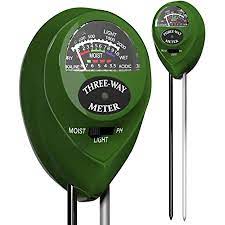
I use a soil moisture meter to track watering patterns, since proper hydration keeps roses resilient against pest stress.
Take the guesswork out of watering plants and keeping the soil moist. It is both cost-effective and durable.
Best of all, it also measures pH and light. It’s worth a look.
Fertilize correctly. Over-fertilizing with high-nitrogen feeds produces lots of soft, succulent new growth that aphids and other pests find irresistible. Use a balanced rose fertilizer with a roughly equal NPK ratio during the growing season.
Inspect weekly. Catching a pest problem when it’s five aphids is very different from catching it when it’s five hundred. A five-minute weekly check of both leaf surfaces is the most effective prevention tool you have.
Apply a preventative neem oil spray. A monthly application of neem oil solution (2 tablespoons per gallon of water) during the growing season deters many insects, disrupts pest life cycles, and provides mild fungal protection.
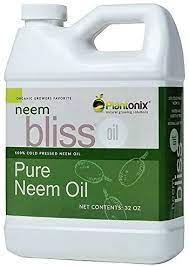
I keep neem oil on hand year-round for rose pest prevention it’s my go-to for both treatment and long-term defense.
I use bliss pure neem oil from Amazon for a great price. It works great when it comes to shining leaves and provides a layer of protection for plants against common pests.
Clean up fallen leaves. Many pests overwinter in leaf litter. Removing fallen leaves from around your roses in autumn reduces the population that survives to next season.
When to Worry
Most rose pest damage is cosmetic and the plant will recover. But there are a few situations where faster action is warranted.
If you’re also noticing black spots on your rose leaves, that’s a separate fungal problem black spot disease that needs to be treated differently from insect damage and spreads quickly in wet conditions.
Watch out if:
- More than 3040% of the foliage is gone and new growth isn’t replacing it
- You see damage on young canes or flower buds, not just mature leaves
- The plant drops leaves repeatedly throughout the growing season
- Multiple pest types are present at once indicating a stressed plant
A rose losing occasional leaves to a few beetles or slugs is a healthy garden in action. A rose that’s being stripped bare and not bouncing back needs intervention.
Frequently Asked Questions
What is eating my roses at night?
Caterpillars are the most common nighttime feeders on rose leaves. Earwigs can also cause minor chewing damage at night. Use a flashlight to check stems and leaf undersides after dark.
Can I use dish soap to get rid of rose pests?
A diluted castile soap solution (4 – 5 tablespoons per gallon of water) is effective against soft-bodied pests like aphids and rose slugs. Avoid regular dish detergents with degreasers or fragrances they can burn leaves. Test on one or two leaves first.
Do roses recover from Japanese beetle damage?
Yes. As long as the infestation is caught and controlled, roses recover well from Japanese beetle feeding. Remove damaged leaves, continue beetle control, and apply a balanced fertilizer to support new growth.
Why do my rose leaves have holes but no bugs?
Many pests feed at night or hide on leaf undersides during the day. Check undersides carefully and inspect the plant at dusk or with a flashlight after dark. Leafcutter bee damage looks like holes but leaves no pest just neat, clean cuts.
Is neem oil safe for roses?
Yes. Neem oil is safe for roses when properly diluted 2 tablespoons per gallon of water with 1 teaspoon of dish soap as an emulsifier. Apply in the evening or early morning to avoid leaf scorch. Don’t spray on blooms, as it can affect pollinators visiting the flowers.
The Bottom Line
Figuring out what’s eating your rose leaves comes down to reading the damage: skeletonized leaves mean Japanese beetles, windowpane patches point to rose slugs, distorted new growth signals aphids, clean semicircles mean leafcutter bees, and ragged holes along edges suggest caterpillars.
Most of these pests respond well to neem oil, insecticidal soap, or handpicking you don’t need harsh chemicals to protect your roses. Treat the right pest with the right method, and your roses will bounce back.
The key is catching damage early, identifying the pattern accurately, and acting with the right targeted remedy your roses are resilient, and a little pest pressure doesn’t have to mean a struggling plant.
Related Posts
- Holes on Rose Leaves: What’s Causing Them and How to Fix It
- Brown Spots on Rose Leaves: Causes and Solutions
- Black Spots on Rose Leaves: Causes and Solutions
- Yellow Eggs on Leaves: What Are They?
- What Causes Sticky Plant Leaves?
Related Articles
Pepper leaves curling? Learn the 7 most common causes — from underwatering and heat stress to aphids and viral disease — plus step-by-step fixes to help your plants recover fast.
Pepper Leaves Turning Yellow: Why It Happens and How to Fix It
Pepper plant leaves turning yellow? Learn the 7 most common causes — from nitrogen deficiency to overwatering — and get specific, actionable fixes to bring your pepper plants back to health.