
You’re out checking on your tomato plants, and something catches your eye the leaves have started turning yellow. Some are at the bottom, some in the middle, and you’re not sure if it’s serious or just part of the plant doing its thing.
It’s a frustrating moment, especially when your tomatoes are weeks away from harvest.
Yellow leaves on tomato plants are caused by nitrogen deficiency, overwatering, underwatering, early blight, septoria leaf spot, magnesium deficiency, or natural aging of lower leaves. Most causes are fixable with balanced fertilizer, consistent watering, disease treatment, or an Epsom salt foliar spray. Bottom leaves naturally yellow as plants mature this is completely normal and not a reason to panic.
From my years of growing tomatoes in containers and raised beds, I’ve seen every version of this and the good news is that once you identify the cause, fixing it is usually straightforward.
The tricky part is that yellow leaves can look similar regardless of the cause. Learning to read the pattern of yellowing where it starts, how it spreads, what the leaf surface looks like is what separates a quick fix from weeks of guessing.
Why Are My Tomato Leaves Turning Yellow? 7 Most Common Causes
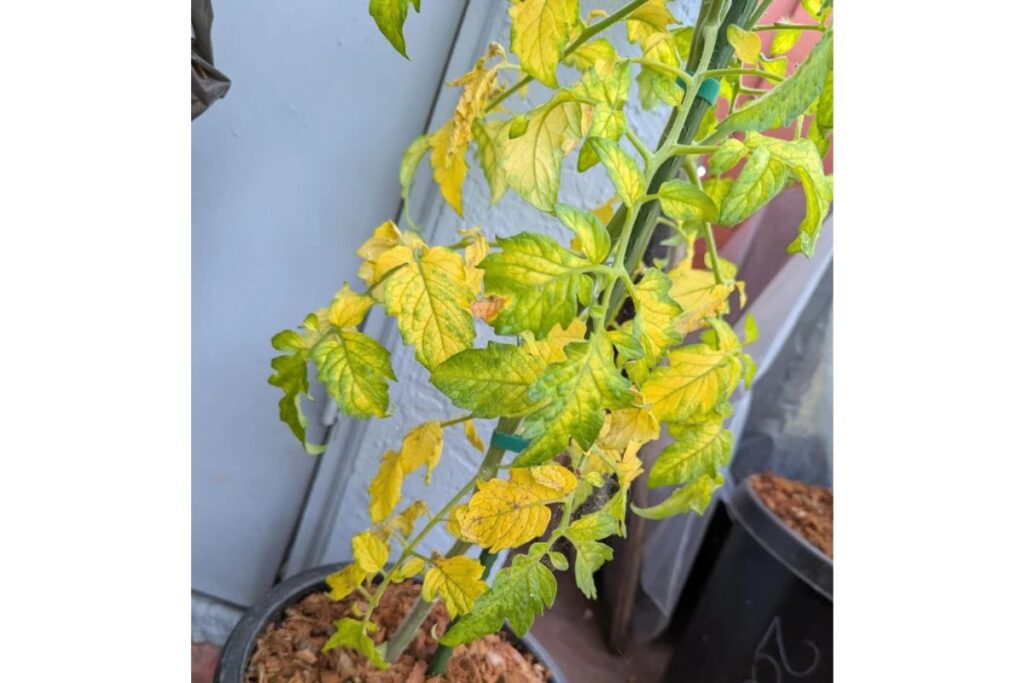
Each cause produces a slightly different yellowing pattern. Before you reach for any treatment, take a close look at which leaves are affected and how the color change is presenting itself.
1. Nitrogen Deficiency
Nitrogen deficiency is one of the most common reasons tomato leaves turn yellow, and it almost always starts at the bottom of the plant.
Older, lower leaves yellow first because nitrogen is a mobile nutrient when the plant is short on supply, it pulls nitrogen from older tissue to feed new growth at the top. The yellowing is usually uniform, pale green to yellow across the entire leaf, with no spots or browning.
How to fix it:
Apply a balanced tomato fertilizer (something with a higher first number in the NPK, like 1 – 0-5-5 or 8-4-8) every two weeks during the growing season. A side dressing of compost around the base of the plant also does wonders for slow-release nitrogen. You can also try banana peel water for tomatoes as a gentle, potassium-rich supplement that supports overall nutrient uptake.
2. Overwatering
Overwatered tomato plants often show yellowing that starts on lower leaves and works its way up. The leaves may look soft, swollen, or even slightly translucent before turning yellow.
Overwatering suffocates the roots, which prevents them from absorbing nutrients so the yellowing can look a lot like nutrient deficiency. The key difference is the soil: if it’s consistently wet and soggy, overwatering is likely the culprit.
If you’re dealing with other stress symptoms alongside yellow leaves like drooping despite wet soil it’s worth checking my full guide on tomato plant wilting for a more complete picture.
How to fix it:
Let the soil dry out between waterings. Stick your finger 2 inches into the soil only water when it feels dry at that depth. For containers, make sure drainage holes are clear and water is not pooling at the base.
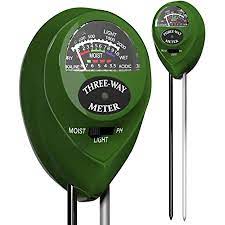
I use a 3-in-1 soil meter on all my tomato plants to catch watering issues before leaves start yellowing.
Take the guesswork out of watering plants and keeping the soil moist. It is both cost-effective and durable.
Best of all, it also measures pH and light. It’s worth a look.
3. Underwatering
Underwatered tomatoes also turn yellow, but the texture tells the story. Leaves will feel dry and slightly crispy, and the yellowing often comes with wilting and curling edges. If you’re also seeing leaves curling alongside the yellowing, drought stress is a strong suspect.
Unlike overwatering, the soil will be dry an inch or two below the surface. The whole plant tends to look dull and stressed not lush and swollen.
How to fix it:
Water deeply and consistently. Tomatoes in garden beds typically need about 1 – 2 inches of water per week. Containers dry out much faster during summer heat, that can mean watering daily. Adding a 2 – 3 inch layer of mulch around the base helps retain moisture between waterings.
4. Early Blight
Early blight is a fungal disease caused by Alternaria solani, and it’s one of the most recognizable causes of yellow leaves on tomato plants. It typically starts on the oldest, lowest leaves and moves upward.
The signature sign is dark brown or black spots with yellow halos around them, often with a target-like ring pattern inside the spot. Leaves eventually turn fully yellow, then brown, and drop off. If you’re losing leaves rapidly, see my guide on tomato leaves falling off for what to expect as the condition progresses.
How to fix it:
Remove and discard affected leaves immediately do not compost them. Water at the base of the plant rather than overhead to reduce leaf wetness. Apply a copper-based fungicide or neem oil spray every 710 days during humid conditions.
5 . Septoria Leaf Spot
Septoria leaf spot is another fungal issue that’s often confused with early blight. The difference is in the spots: septoria produces small, circular spots with white or grayish centers and dark borders, surrounded by yellow halos. The spots are much smaller and more numerous than early blight.
Like early blight, it begins on lower leaves and moves upward if left unchecked. Humid, wet weather accelerates its spread significantly.
How to fix it:
Same approach as early blight remove infected leaves, avoid overhead watering, and treat with copper fungicide or neem oil. Improving air circulation by pruning dense foliage also slows the spread between plants.
6. Magnesium Deficiency
Magnesium deficiency has a distinctive look that sets it apart from other causes. The yellowing appears between the leaf veins the veins themselves stay green while the tissue in between turns yellow. This pattern is called interveinal chlorosis.
It tends to show up on older, middle-section leaves first. Magnesium is another mobile nutrient, so the plant will rob it from older leaves to support new growth at the top.
How to fix it:
Mix 1 tablespoon of Epsom salt (magnesium sulfate) into 1 gallon of water and apply as a foliar spray directly onto affected leaves. Repeat every two weeks. You can also work Epsom salt into the soil at planting about 1 tablespoon per foot of plant height around the drip line.
If you’re seeing interveinal yellowing across multiple plants at once, a soil test is worth doing to confirm the deficiency before treating. Overapplying magnesium can interfere with calcium uptake.
7. Natural Aging of Lower Leaves
Sometimes the answer is the simplest one the plant is just maturing.
As tomato plants grow taller and focus their energy on flowering and fruiting, the lowest leaves naturally yellow and drop off. This is especially common once the plant reaches 1824 inches tall. The lower leaves are shaded out by upper foliage, receive less light, and are no longer contributing much to photosynthesis.
This type of yellowing is limited to the very bottom leaves, the rest of the plant looks healthy, and there are no spots, lesions, or patterns on the affected leaves just even, pale yellowing.
How to fix it:
Nothing this is normal. You can remove the yellowing leaves for tidiness and to improve airflow, but no treatment is needed. If you’re seeing the same symptom pattern on other crops, my guide on lettuce leaves turning yellow walks through how aging compares across different vegetable plants.
Quick Reference Diagnosis Table
| Cause | Visual Pattern | Solution |
|---|---|---|
| Nitrogen deficiency | Uniform pale yellow, starts at bottom | Balanced fertilizer, compost |
| Overwatering | Yellow + soft leaves, wet soil | Reduce watering, improve drainage |
| Underwatering | Yellow + crispy edges, dry soil | Water deeply, add mulch |
| Early blight | Dark spots with yellow halos, ring pattern | Remove leaves, copper fungicide, neem oil |
| Septoria leaf spot | Small white-centered spots, yellow halos | Remove leaves, copper fungicide, neem oil |
| Magnesium deficiency | Interveinal yellowing (veins stay green) | Epsom salt spray, 1 tbsp per gallon |
| Natural aging | Even yellow on lowest leaves, no spots | Remove for tidiness, no treatment needed |
How to Identify the Cause Step by Step
Start from the bottom of the plant and work your way up. Ask yourself these questions:
Where is the yellowing?
Bottom leaves only nitrogen, aging, or overwatering. Middle and upper leaves disease or magnesium deficiency. Spread across the whole plant severe water stress.
What do the leaves look like up close?
No spots, even yellow nutrient issue or watering.
Spots with yellow halos fungal disease.
Yellow between veins, green veins magnesium deficiency.
What does the soil feel like?
Soggy overwatering.
Bone dry 2 inches down underwatering.
Normal moisture rule out water issues and look at nutrients or disease.
Is the rest of the plant healthy?
New growth at the top looks green and vigorous likely a lower-leaf issue (aging, mild deficiency).
Whole plant looks stressed more systemic problem (watering, root rot).
How to Keep Tomato Leaves Green and Healthy
The best treatment is not needing treatment in the first place. A few consistent habits make a big difference.
Water at the base, not the leaves.
Overhead watering is the fastest way to invite fungal disease. Drip irrigation or soaker hoses keep foliage dry while delivering water directly to the roots.
Feed on a schedule.
Tomatoes are heavy feeders. Start with a nitrogen-rich fertilizer early in the season, then shift to a phosphorus- and potassium-forward formula (like 5-1 – 0-1 – 0) once flowers appear. Every two weeks is a reasonable feeding cadence for most garden soils.
Mulch consistently.
A 2 – 3 inch layer of straw or wood chip mulch regulates soil temperature, retains moisture, and reduces the splash-back of soil onto lower leaves which is how many fungal spores travel.
Prune for airflow.
Remove suckers and any leaves that touch the soil. Dense foliage traps humidity, which is the ideal environment for septoria and early blight.
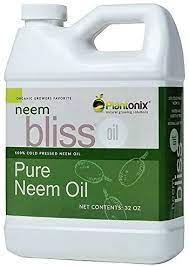
For early blight or septoria prevention, I spray my tomato plants with neem oil every two weeks during humid weather.
I use bliss pure neem oil from Amazon for a great price. It works great when it comes to shining leaves and provides a layer of protection for plants against common pests.
Rotate your crops. Don’t plant tomatoes in the same spot two years in a row. Fungal spores from blight and septoria overwinter in the soil rotation breaks the cycle.
When to Worry
Most cases of yellow leaves on tomato plants are manageable. But here’s when to take it more seriously:
The yellowing is moving fast progressing from bottom to top within a week or two. You’re seeing leaf drop alongside yellowing. Dark spots or lesions are spreading even after you’ve removed affected leaves. The upper growth looks stunted or deformed, not just the lower leaves.
These signs suggest disease pressure is high or a systemic issue (like root rot or severe nutrient lockout) is at play. At that point, a soil test and a fresh potting mix or soil amendment may be needed before the season is lost.
Frequently Asked Questions
Should I remove yellow leaves from my tomato plant?
Yes, in most cases. Removing yellowed leaves reduces the chance of disease spreading and tidies up the plant. The exception is if you’re dealing with a nutrient deficiency the leaves are already sacrificed, but the real fix is in the soil.
Can yellow leaves turn green again?
Sometimes. If the cause is a nutrient deficiency or watering issue caught early, new growth will come in green after you correct the problem. Leaves that are fully yellow rarely recover but the plant can absolutely bounce back.
Why are only the bottom leaves on my tomato plant turning yellow?
Bottom-leaf yellowing is usually the least concerning type. It’s most often natural aging, mild nitrogen deficiency, or occasional overwatering. As long as the upper growth looks healthy and vigorous, the plant is likely fine.
How often should I fertilize tomatoes to prevent yellowing?
Every two weeks during the growing season is a good baseline. Use a nitrogen-forward formula early in the season and shift to a bloom formula once flowering begins. A soil test every year takes the guesswork out of what your specific plot actually needs.
Is it normal for tomato leaves to turn yellow in summer heat?
Heat stress can cause some yellowing and leaf curl, but consistent yellowing is usually a sign of something else most commonly underwatering or disease. Monitor your soil moisture closely during heat waves.
The Bottom Line
Yellow leaves on tomato plants almost always have a fixable cause. Start at the bottom of the plant, look closely at the pattern, check the soil moisture, and narrow it down from there.
The seven causes covered here nitrogen deficiency, overwatering, underwatering, early blight, septoria leaf spot, magnesium deficiency, and natural aging account for the vast majority of cases you’ll see in a home garden. Most of them respond well to simple interventions: adjusting your watering, feeding on a consistent schedule, or treating early with neem oil.
Catch it early, identify the pattern, and take action your tomato plants are more resilient than they look.
Related Posts
- White Lines on Tomato Leaves: Causes, Treatment & Prevention
- Tomato Plant Wilting: The Causes and Solutions
- Tomato Leaves Falling Off
- Banana Peel Water for Tomatoes
- Plant Leaves Curling: Causes and Fixes
Related Articles
Pepper leaves curling? Learn the 7 most common causes — from underwatering and heat stress to aphids and viral disease — plus step-by-step fixes to help your plants recover fast.
Pepper Leaves Turning Yellow: Why It Happens and How to Fix It
Pepper plant leaves turning yellow? Learn the 7 most common causes — from nitrogen deficiency to overwatering — and get specific, actionable fixes to bring your pepper plants back to health.