
You head out to check on your cucumber plants, and something looks off. The leaves that were green and lush last week are now patchy, pale, or fully yellow. It’s one of those moments where you’re not sure whether to panic or just water more.
Take a breath. Yellowing cucumber leaves are incredibly common, and in most cases, completely fixable.
Cucumber leaves turn yellow due to overwatering, nitrogen deficiency, fungal diseases like downy mildew, cucumber mosaic virus, powdery mildew, spider mite damage, or natural aging of lower leaves. The most common culprits are overwatering (which leads to root rot and starves roots of oxygen), nitrogen deficiency (yellowing starts at older, lower leaves first), and downy mildew (yellow patches with a fuzzy grey coating on the underside).
The good news: most cases can be fixed by adjusting your watering schedule, applying a balanced fertilizer, or removing infected foliage before the problem spreads.
Knowing which cause you’re dealing with makes all the difference. A plant that’s drowning in water needs the opposite treatment from one that’s starving for nitrogen. This guide walks through every major cause, how to identify it, and exactly how to fix it.
Why Do Cucumber Leaves Turn Yellow?
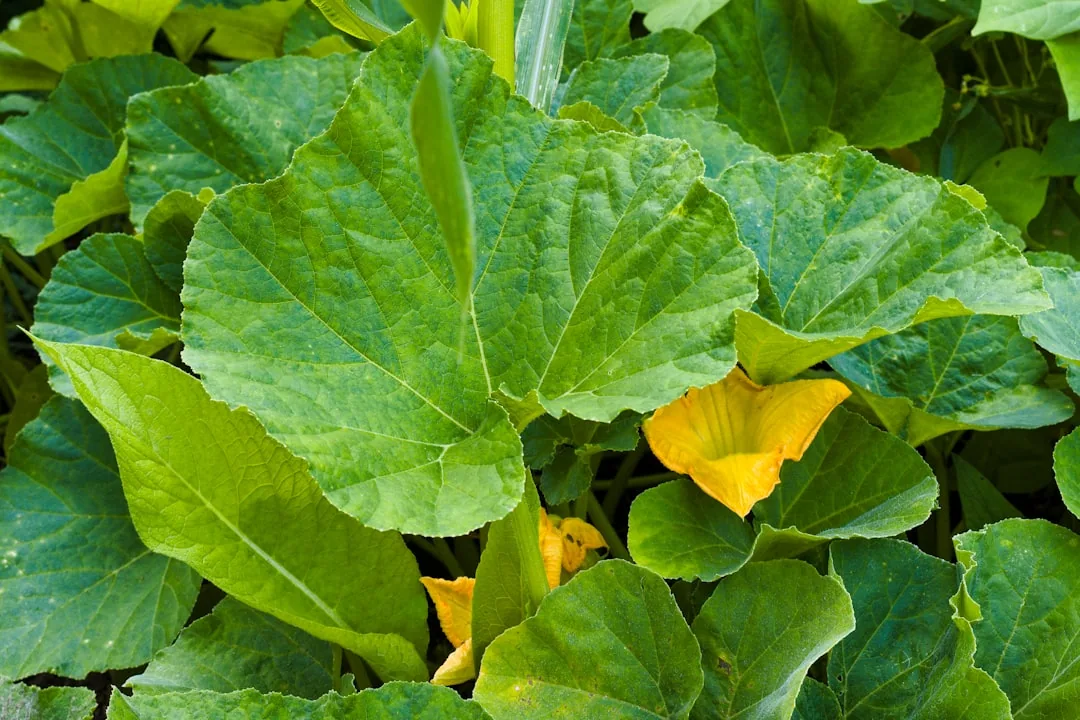
Cucumbers are heavy feeders and thirsty plants but they’re also sensitive to too much of a good thing. Yellowing usually signals that something in the plant’s environment is out of balance.
It could be the soil, the watering routine, a fungal pathogen moving in, or even insects draining the plant’s resources. Sometimes it’s just old leaves doing what old leaves do.
The key is matching the symptom pattern to the right cause before you treat.
1. Overwatering and Root Rot
Overwatering is the single most common reason cucumber leaves turn yellow. When soil stays soggy for too long, roots are cut off from oxygen and begin to rot.
Once roots are damaged, they can’t deliver water or nutrients even if the soil is full of both. The leaves yellow as a result, often starting at the bottom of the plant and working upward.
This is a problem you’ll also recognise in other plants. Lavender leaves turning yellow follows the same pattern when drainage is poor.
What to look for: Yellowing lower leaves, wilting despite wet soil, and a musty smell from the root zone.
How to Fix Overwatering
- Check the soil: Push your finger 2 inches (5 cm) into the soil if it’s still wet, do not water. Wait until the top 1 – 2 inches are dry before watering again.
- Improve drainage: If you’re growing in containers, ensure drainage holes are clear. For garden beds, mix in perlite or coarse sand to loosen compacted soil.
- Remove damaged roots: Unpot the plant if possible and trim any black, mushy roots with sterile scissors. Let the roots air out for 3 – 0 minutes before repotting.
- Repot with fresh mix: Use a well-draining potting mix and avoid heavy, peat-heavy soils that hold moisture too long.
- Adjust your schedule: Water cucumbers deeply but infrequently typically every 2 – 3 days in warm weather, less in cooler conditions.
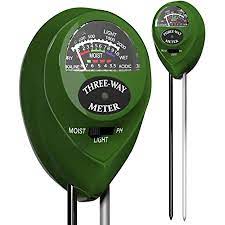
I use a 3-way soil moisture meter from Amazon to catch overwatering before it causes root rot it takes the guesswork out of when to water completely.
Take the guesswork out of watering plants and keeping the soil moist. It is both cost-effective and durable.
Best of all, it also measures pH and light. It’s worth a look.
2. Nitrogen Deficiency in Poor Soil
Cucumbers are heavy nitrogen feeders. When nitrogen runs low in the soil, the plant pulls it from older leaves to support new growth and those older, lower leaves turn uniformly yellow.
Unlike fungal diseases, nitrogen deficiency yellowing is even and consistent. There are no spots, no patches, no fuzzy growth just a steady fade from green to yellow, moving up the plant over time.
If you’ve seen this pattern in other vegetables, lettuce leaves turning yellow often follows the same bottom-up progression. You might also notice the overall plant looking pale plant leaves rather than a deep, healthy green.
What to look for: Uniform yellowing starting at the oldest, lowest leaves; new growth at the top remains green.
How to Fix Nitrogen Deficiency
- Apply a fast-acting liquid fertilizer: Use a balanced liquid feed (1 – 0-1 – 0-1 – 0 or similar) diluted to half-strength and water it into the root zone immediately.
- Switch to a high-nitrogen feed: For a quicker boost, use a fertilizer with a higher first number (e.g., 2 – 0-1 – 0-1 – 0) once per week for 2 – 3 weeks.
- Top-dress with compost: Spread 1 – 2 inches of well-aged compost around the base of the plant and water it in this slowly releases nitrogen over several weeks.
- Try a foliar spray: Mix 1 tablespoon of fish emulsion per gallon (3.8 L) of water and spray directly on the leaves every 5 – 7 days for a rapid nutrient boost.
- Test your soil: Use a basic soil test kit to confirm nitrogen is the issue before feeding heavily over-fertilizing can cause its own problems.
3. Downy Mildew (Yellow Patches with Fuzzy Undersides)
Downy mildew is one of the most destructive fungal diseases for cucumber plants. It spreads fast in cool, wet, humid conditions especially when leaves stay wet overnight.
The yellowing appears as angular, irregular patches on the upper surface of the leaf. Flip the leaf over and you’ll see the telltale sign: a fuzzy grey or purple coating on the underside.
What to look for: Angular yellow patches on the leaf surface, fuzzy grey-purple growth underneath, rapid spread across the plant in humid weather.
How to Fix Downy Mildew
- Remove infected leaves immediately: Cut off any leaf showing yellow patches and dispose of it in the bin not the compost. Do this at the first sign of infection.
- Improve airflow: Prune crowded stems and leaves to open up the canopy. Good air circulation slows the spread dramatically.
- Apply a copper-based fungicide: Mix copper fungicide at the label rate (typically 1 – 2 tablespoons per gallon of water) and spray the entire plant, including leaf undersides, every 710 days.
- Avoid overhead watering: Switch to drip irrigation or water at the base of the plant. Wet leaves accelerate mildew spread overnight.
- Spray in the morning: If you must water from above, do it early so leaves dry completely before nightfall.
4. Cucumber Mosaic Virus (Mottled Yellow Patterns)
Cucumber mosaic virus (CMV) is a viral disease spread primarily by aphids. Unlike nutrient deficiencies or fungal diseases, there is no cure but you can stop it from spreading.
The yellowing looks completely different from other causes. Instead of even fading or angular patches, you’ll see a mosaic or mottled pattern of irregular yellow and green blotches across the leaf surface.
What to look for: Irregular mosaic-like yellow-green mottling, distorted or puckered leaf surfaces, stunted new growth, and a history of aphid activity.
How to Fix Cucumber Mosaic Virus
- Remove infected plants: If the infection is severe, remove and bag the entire plant to prevent aphids from spreading the virus to healthy plants nearby.
- Control aphids immediately: Spray affected plants with insecticidal soap (mix 1 tablespoon of castile soap per quart / 1 L of water) to eliminate the aphid vectors.
- Inspect neighbouring plants: Check all nearby cucurbits squash, zucchini, melons for early signs of mottling and remove infected material promptly.
- Disinfect your tools: Wipe pruning shears with 7 – 0% isopropyl alcohol between cuts to avoid mechanically spreading the virus.
- Plant resistant varieties next season: Look for CMV-resistant cucumber varieties they’re widely available and the best long-term defence.
5. Powdery Mildew (White Coating with Yellowing)
Powdery mildew is easy to spot it leaves a white, dusty coating on the upper surface of leaves. As the infection progresses, the leaf tissue beneath the coating turns yellow and eventually dies.
Unlike downy mildew, powdery mildew thrives in warm, dry conditions with high humidity. It’s common in late summer when days are hot and nights are cool.
What to look for: White powdery coating on the upper leaf surface, yellowing around the affected areas, and leaves that eventually brown and crisp at the edges.
How to Fix Powdery Mildew
- Apply a baking soda spray: Mix 1 tablespoon of baking soda, 1 teaspoon of dish soap, and 1 gallon (3.8 L) of water. Spray the entire plant, covering both leaf surfaces, every 5 – 7 days.
- Try a diluted milk spray: Mix 4 – 0% milk with 6 – 0% water and spray on affected leaves every 7 days studies show this is surprisingly effective against powdery mildew.
- Remove heavily infected leaves: Cut off any leaf where more than 5 – 0% of the surface is covered and dispose of it away from the garden.
- Spray with neem oil: Mix 2 tablespoons of neem oil with 1 tablespoon of dish soap per gallon (3.8 L) of water and apply every 710 days as both a treatment and preventative.
- Increase plant spacing: Powdery mildew spreads through air give plants at least 1824 inches (4560 cm) of space to improve circulation.
6. Spider Mites Sucking Leaf Nutrients
Spider mites are tiny barely visible to the naked eye but the damage they cause is very visible. They pierce leaf cells and suck out the contents, leaving behind a speckled, stippled yellowing pattern that looks almost dusty.
Check the undersides of leaves for fine webbing and tiny moving dots. Spider mite infestations often explode in hot, dry weather. You might also notice your cucumber leaves plant leaves curling at the edges as the damage worsens.
What to look for: Stippled or speckled yellowing across the leaf surface, fine webbing on the underside, tiny red or brown dots moving on the leaf.
How to Fix Spider Mites
- Blast them off with water: Use a strong jet of water from a hose to knock mites off the undersides of leaves. Do this every 2 – 3 days for 2 weeks.
- Apply insecticidal soap: Mix 1 tablespoon of castile soap per quart (1 L) of water and spray thoroughly on all leaf surfaces, especially undersides, every 5 – 7 days.
- Use neem oil: Mix 2 tablespoons of neem oil with 1 tablespoon of dish soap per gallon (3.8 L) of water and apply every 7 days until mites are gone.
- Increase humidity: Spider mites hate moisture. Misting the area around plants (not the leaves themselves) raises local humidity and discourages mite activity.
- Introduce predatory mites: Phytoseiulus persimilis is a natural predator of spider mites available online and highly effective for serious infestations.
7. Natural Aging of Lower Leaves
Not every yellow leaf is a crisis. As cucumber plants mature and grow upward, the lowest leaves naturally age out. They’ve done their job photosynthesising when the plant was young and the plant redirects energy away from them.
This is completely normal and not a sign of disease or deficiency. If you’ve also noticed similar normal leaf drop in other plants, it behaves the same way that holes on rose leaves can sometimes be natural insect feeding rather than a serious threat.
What to look for: Even yellowing of only the lowest 2 – 4 leaves, healthy green growth continuing above, no spots, webbing, or fuzzy coating present.
How to Handle Natural Leaf Aging
- Remove yellow leaves cleanly: Snap or cut them off at the base to keep the plant tidy and improve airflow at the soil level.
- Do nothing else: No fertilizer, no fungicide, no change in watering is needed. This is natural plant behaviour.
- Monitor the pattern: If yellowing is moving rapidly up the plant or affecting more than the bottom few leaves, revisit the other causes above.
Quick Reference: Cucumber Leaves Turning Yellow
| Cause | Pattern | Where It Starts | Other Signs | Fix |
|---|---|---|---|---|
| Overwatering | Even yellowing | Lower leaves | Soggy soil, wilting | Reduce watering, improve drainage |
| Nitrogen deficiency | Uniform pale yellow | Oldest lower leaves | Slow growth | Fertilize with nitrogen-rich feed |
| Downy mildew | Angular patches | Random leaves | Fuzzy grey underside | Copper fungicide, remove leaves |
| Mosaic virus | Mottled yellow-green | Random | Distorted leaves, aphids | Remove plant, control aphids |
| Powdery mildew | White coating + yellow | Upper leaf surface | Dusty white powder | Baking soda spray, neem oil |
| Spider mites | Stippled speckling | Scattered | Webbing on underside | Insecticidal soap, neem oil |
| Natural aging | Even yellow | Lowest 2 – 4 leaves | None | Remove leaves, no treatment needed |
Universal Prevention Tips for Healthy Cucumber Plants
- Water at the base, not overhead. Wet foliage is the fastest route to fungal disease. Use drip irrigation or a watering can aimed at the soil keep leaves dry whenever possible.
- Feed consistently throughout the season. Cucumbers need steady nitrogen from planting through fruiting. Apply a balanced fertilizer (1 – 0-1 – 0-1 – 0) every 2 – 3 weeks, or use a slow-release granular at planting time.
- Space plants correctly from the start. Plant cucumbers at least 1824 inches (4560 cm) apart. Crowded plants trap humidity and restrict airflow the perfect conditions for mildew and mites.
- Inspect leaves weekly, top and bottom. Turn leaves over to check for spider mite webbing, aphid colonies, or early mildew growth. Catching problems at week one is far easier than treating them at week four.
- Mulch around the base. A 2 – 3 inch (5 – 7 cm) layer of straw or wood chip mulch regulates soil moisture, keeps roots cool, and reduces the soil splash that spreads fungal spores onto lower leaves.
- Remove and bin any diseased material immediately. Never compost leaves showing mildew, mosaic patterns, or rot. Composting infected material keeps pathogens cycling back into your garden.
- Spray preventatively with neem oil every 710 days. I spray cold-pressed neem oil from Amazon every 710 days as a preventative it stops fungal diseases and spider mites before they start. Mix 2 tablespoons of neem oil with 1 tablespoon of dish soap per gallon (3.8 L) of water and apply in the early morning or evening.
I use bliss pure neem oil from Amazon for a great price. It works great when it comes to shining leaves and provides a layer of protection for plants against common pests.

The Bottom Line
Cucumber leaves turn yellow for a wide range of reasons from something as simple as old leaves doing their job, to something as serious as a viral infection spreading through your garden. The good news is that most causes are identifiable within minutes once you know what to look for.
Start by checking the pattern. Even yellowing from the bottom up points to nitrogen or overwatering. Angular patches with fuzzy undersides mean downy mildew. Mottled, mosaic-like patterns with distorted leaves suggest a virus. Stippled speckling with webbing means spider mites.
Fix the cause, not just the symptom adjust watering before fertilizing, identify pests before reaching for fungicide, and always remove infected leaves before they spread the problem to the rest of the plant.
The single most important thing you can do for your cucumber plants is catch problems early: inspect both sides of the leaves every week, and act the moment you see something off.
Related Posts:
- Holes on Rose Leaves: Causes and How to Fix Them
- Plant Leaves Curling: Why It Happens and How to Fix It
- Lavender Leaves Turning Yellow
- Lettuce Leaves Turning Yellow: Causes and Solutions Explained
- Black Eggs on Leaves
- Yellow Eggs on Leaves
Related Articles
Pepper leaves curling? Learn the 7 most common causes — from underwatering and heat stress to aphids and viral disease — plus step-by-step fixes to help your plants recover fast.
Pepper Leaves Turning Yellow: Why It Happens and How to Fix It
Pepper plant leaves turning yellow? Learn the 7 most common causes — from nitrogen deficiency to overwatering — and get specific, actionable fixes to bring your pepper plants back to health.