
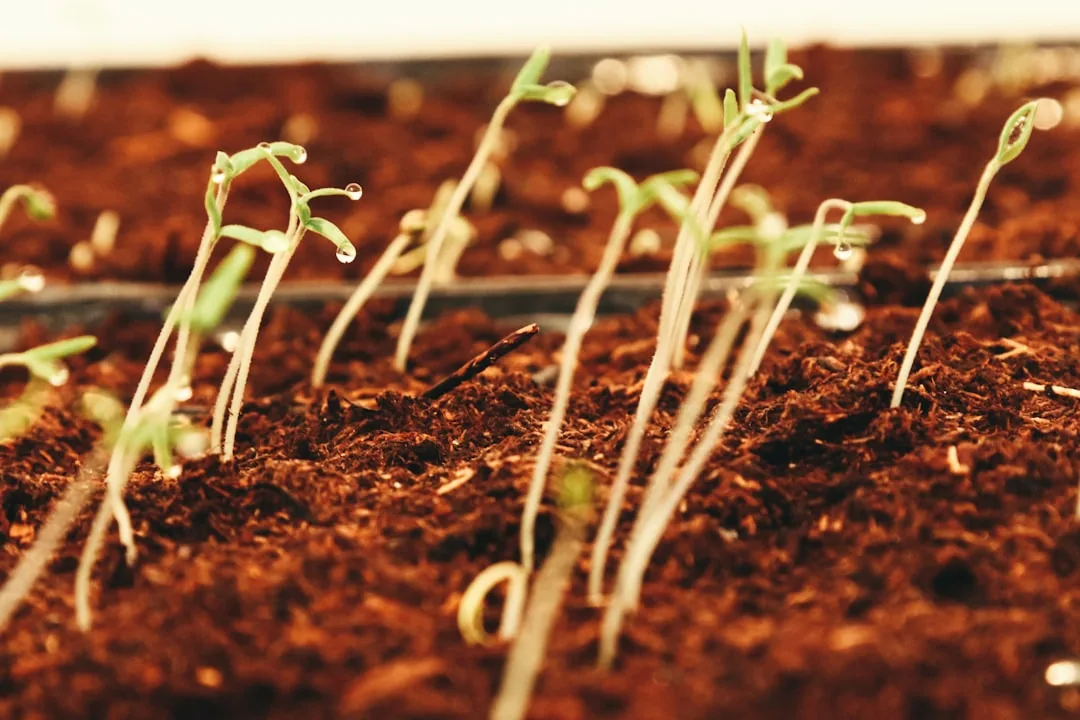
You check on your tomato seedlings one morning and something looks off. The stems are long and spindly, the leaves are spaced far apart, and the whole plant looks like it’s reaching desperately toward the window. Sound familiar?
That’s legginess and it’s one of the most common problems home gardeners run into when starting tomatoes from seed indoors.
Leggy tomato seedlings develop when they don’t get enough light, causing them to stretch toward any available light source. The stems become thin and weak, and the leaves space out further than normal.
The good news is the fix is simple: move your seedlings closer to a grow light (2 – 4 inches away), provide 1416 hours of light daily, run a small fan for air circulation, and bury the stem deeper when transplanting to build a stronger root system.
Let’s walk through exactly why this happens and how to turn your leggy seedlings around before it’s too late.
Why Are My Tomato Seedlings Leggy?
Legginess is your plant’s survival response. When light is insufficient, tomatoes do what any plant does they put all their energy into growing taller to reach more of it. The technical term for this is etiolation, and it’s the plant’s way of prioritizing vertical growth over everything else.
The problem is that this stretching comes at a cost. The stem stays thin because the plant isn’t producing enough chlorophyll or building enough structural tissue. You end up with a tall, floppy seedling that can barely hold itself up.
Not Enough Light
This is the cause behind the vast majority of leggy seedlings. A windowsill even a south-facing one often doesn’t cut it for tomatoes started indoors. Window glass filters out UV, the light angle changes throughout the day, and cloudy weather can set your seedlings back significantly.
Tomato seedlings need 1416 hours of bright light per day to stay compact and healthy. Most windows deliver light for only a portion of that, and the intensity drops off quickly the further the plant sits from the glass.
Light That’s Too Far Away
Even if you’re using a grow light, distance matters enormously. A grow light positioned 1 – 2 or more inches above your seedlings can still cause leggy growth the light intensity drops off exponentially as distance increases.
This is the mistake I made in my first season with a grow light. I had it running all day but positioned it way too high. The seedlings still stretched. Moving the light down to 2 – 4 inches above the tops of the seedlings made an immediate difference within a few days.
Sowing Seeds Too Early
Starting your tomato seeds too far ahead of your last frost date means your seedlings spend weeks sometimes months sitting under lights waiting to go outside. The longer they’re indoors, the more time they have to get leggy, especially if conditions aren’t perfect.
Most gardeners do best starting tomatoes 6 – 8 weeks before their last frost date. Any earlier and you’re fighting the clock.
Overcrowding
When seedlings are packed too close together, they compete for light. The ones shaded by their neighbors will stretch sideways and upward trying to find a gap. This is why thinning your seedlings and giving each one proper space makes such a difference.
Overwatering and Warm Temperatures
These are secondary contributors, but they matter. Consistently moist soil and warm room temperatures encourage fast, soft growth. That kind of rapid growth tends to produce weak, elongated tissue. Cooler temperatures (6065°F at night) naturally slow growth and encourage stockier stems.
How to Fix Leggy Tomato Seedlings
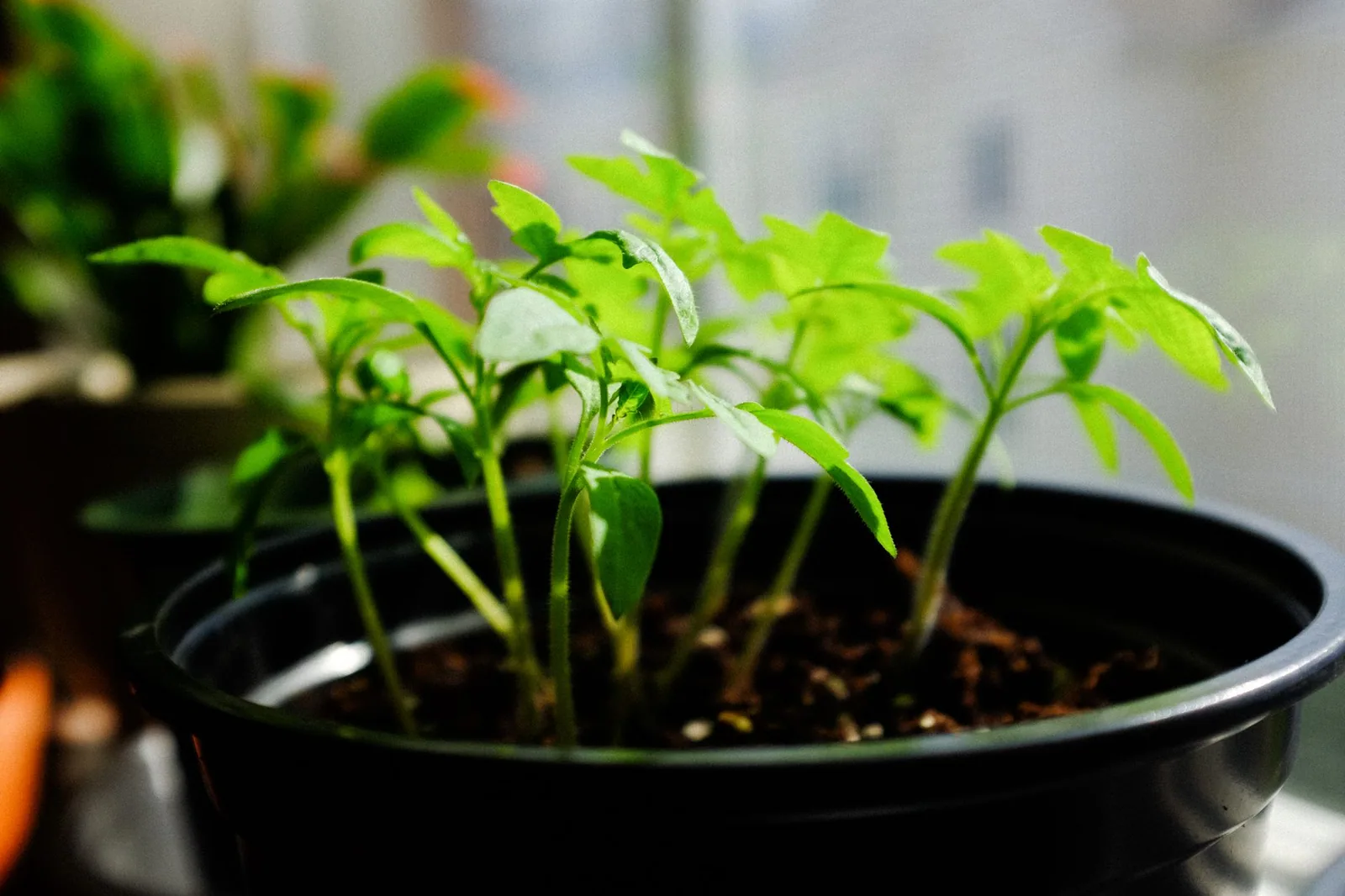
The good news: leggy seedlings are very fixable, especially if you catch the problem early. Even if your seedlings are already tall and floppy, you have more options than you might think.
1. Get Your Light Source Closer
Move your grow light to within 2 – 4 inches of the seedling tops.
This is the single most impactful change you can make. If you’re using a windowsill, consider moving the seedlings to a spot where they’re pressed right up against the glass, or supplement with a clip-on grow light.
I use a dedicated grow light positioned 2 – 4 inches above seedlings on a timer it’s made the biggest difference in preventing stretch.
For our indoor plants, we use AMBOR Grow Lights; it is an effective and durable artificial grow light we found on Amazon that provides the right spectrum of light that allows our plants to grow to their full potential.
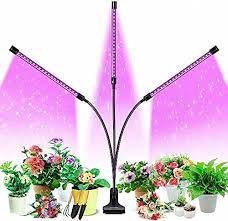
If you don’t have a grow light yet, it’s worth the investment. A basic T5 or LED shop light from a hardware store works well and doesn’t need to be expensive.
Tip: Check that your grow light is on for 1416 hours a day. Use a plug-in timer so you don’t have to remember to switch it on and off.
2. Increase Daily Light Hours
Aim for 1416 hours of light per day, followed by 8 hours of darkness.
Tomatoes need the dark period too continuous light can stress plants. A consistent on/off cycle is better than leaving a light running around the clock.
If you’re using a south-facing window as your primary light source, supplement it with a grow light on cloudy days or during the early morning and evening hours.
3. Add Air Circulation
Run a small fan on low near your seedlings for 1 – 2 hours a day.
This is something a lot of gardeners skip, but it makes a real difference. Air movement causes the stems to flex slightly, which triggers the plant to build stronger, thicker cell walls a process called thigmomorphogenesis.
You don’t need a powerful fan. Even a small desktop fan set to its lowest setting, positioned a foot or two away, is enough to get the stems gently moving.
4. Lower the Temperature at Night
Set night temperatures to 6065°F if possible.
Cooler nights slow down soft, rapid growth and encourage more compact development. If you’re germinating seeds in a warm area, consider moving the seedlings to a slightly cooler spot once they’ve sprouted.
5. Bury the Stem When Transplanting
One of the best things about tomatoes is that they can grow roots all along their buried stem.
If your seedlings are already tall and leggy, this is your ace in the hole. When you move them to a larger pot or into the garden, bury the stem up to the lowest set of true leaves. The buried portion will develop adventitious roots and you’ll end up with a much stronger, better-anchored plant.
You can do this in stages pot up into a slightly deeper container now, burying part of the stem, then bury even more when you do your final transplant outdoors.
Can You Water Your Way to Stronger Seedlings?
Watering habits do play a supporting role. Overwatered seedlings stay too soft, and the soil conditions can encourage the kind of weak growth that compounds legginess.
One technique that works really well for seedlings is bottom watering. Rather than pouring water over the top of the soil, you set the tray in a shallow dish of water and let the roots draw moisture up from below. This encourages deeper root development and helps prevent the overwatering that keeps stems soft.
The type of water you use matters too. Hard tap water with chlorine and fluoride can stress young seedlings. Using filtered water or letting tap water sit out overnight gives seedlings a better start. Our guide on the best water for seedlings covers this in detail if you want to dig into it.
Treating Seedlings With Hydrogen Peroxide
Once you’ve fixed your light situation, it’s a good moment to give your seedlings a supportive boost especially if they’ve been sitting in overly moist soil for a while.
A diluted hydrogen peroxide solution can help oxygenate the root zone, flush out any early signs of root rot, and give stressed seedlings a fresh start. We cover exactly how to do this in our guide on using hydrogen peroxide for plants, including the right dilution ratios so you don’t accidentally harm your plants.
This is one of those low-cost, natural fixes that I keep coming back to whenever my seedlings have been through a rough patch.
I keep diluted hydrogen peroxide on hand to oxygenate the root zone whenever seedlings have been through a rough patch with moisture stress.
I use this Essential Oxygen Food Grade Hydrogen Peroxide for my plants. It kills unwanted bacteria and helps boost the overall health of the soil. It’s concentration is just right.

What About Feeding Leggy Seedlings?
Leggy seedlings are nutrient-hungry, but fertilizing at the wrong time or with the wrong product can make things worse. High-nitrogen fertilizers push leafy, soft growth which is the opposite of what you want when you’re trying to build stocky stems.
Hold off on heavy feeding until the seedlings have at least two sets of true leaves. When you do start fertilizing, use a balanced formula rather than a high-nitrogen one. Once plants are in the ground or in their final containers, tomato-specific fertilizers become more important you can read more about how tomato fertilizers work and when to apply them.
Quick Reference: Causes, Signs, and Fixes
| Cause | What You’ll See | Fix |
|---|---|---|
| Insufficient light | Tall, pale, stretched stems | Move grow light to 2 – 4 inches above seedlings |
| Light too far away | Stretching even under a grow light | Lower the light; check intensity |
| Too few light hours | Slow, weak growth | Set timer for 1416 hours daily |
| No air movement | Thin, floppy stems | Run a small fan 1 – 2 hours per day |
| Started too early | Weeks of indoor stretching | Start seeds 6 – 8 weeks before last frost |
| Overcrowding | Seedlings leaning toward gaps | Thin seedlings; give each more space |
| Overwatering | Soft stems, soggy soil | Let soil dry slightly; use bottom watering |
When to Worry
Most leggy seedlings recover well with corrected light and good transplanting technique. But there are a few signs that the situation is more serious:
- The stem has fallen over and won’t stand up even with support at this stage, growth may be too soft to recover fully.
- The seedling shows yellowing lower leaves this can indicate stress beyond just legginess, including possible nutrient deficiency or root issues. Our guide on yellow leaves on tomato plants can help you diagnose what’s going on.
- The stem is pinched or pinching at any point this can indicate damping off, a fungal disease that kills seedlings at the soil line.
If you’re in any of these situations, don’t give up but act quickly. Improve the light, reduce moisture, add airflow, and consider whether the seedlings are worth saving or if a fresh start is more practical given your timeline.
It’s also worth knowing that leggy growth isn’t unique to tomatoes if you grow other plants indoors, you’ll likely see the same behavior whenever light is short. The same principles apply to things like Monstera, as we cover in our post on what causes a leggy Monstera.
Preventing Legginess Next Time
Once you’ve dealt with leggy seedlings once, you’ll never want to do it again. Here’s what to set up from day one next season:
- Start seeds at the right time 6 – 8 weeks before your last frost date, no earlier.
- Set up your grow light before you sow have it 2 – 4 inches above the surface, on a timer for 1416 hours.
- Keep the growing area slightly cool 6570°F during the day, 6065°F at night.
- Thin seedlings early don’t wait until they’re crowded; one strong seedling per cell is the goal.
- Run a fan from day one not just when things go wrong.
- Bottom water consistently this keeps roots growing down and soil conditions more stable.
These aren’t complicated changes, but together they make an enormous difference in how your seedlings develop over those critical first weeks.
Frequently Asked Questions
Can leggy tomato seedlings still produce fruit?
Yes. Even quite leggy seedlings often recover well once planted outdoors, especially if you bury the stem deeply. You may see a slight delay in maturity, but most plants produce a normal crop.
Should I cut back leggy tomato seedlings?
Not usually. Unlike some plants, cutting back tomato seedlings rarely helps and can stress them further. It’s better to focus on fixing the light and burying the stem at transplant time.
How quickly do seedlings respond to more light?
You should see the stretching stop within a few days of improving light conditions. New growth will come in more compact. You can’t undo the legginess that already happened, but you can stop more from developing.
What’s the best grow light for tomato seedlings?
A T5 fluorescent or a mid-range LED grow light works well. You don’t need anything fancy or expensive consistency and proper distance matter more than the specific brand.
Is it too late to fix leggy seedlings if they’re already 6 inches tall?
Probably not. Tomatoes that tall can still be saved by burying the stem in stages pot them up into a deeper container, burying the lower half of the stem, then bury more when transplanting outdoors. This converts the leggy stem into roots and gives you a much stronger plant.
The Bottom Line
Leggy tomato seedlings are frustrating, but they’re also one of the easiest seedling problems to fix once you know what’s causing it. In almost every case, the culprit is insufficient light either not enough hours, not enough intensity, or the light source sitting too far away.
Move your grow light closer, extend your light hours to 1416 per day, get a small fan running, and bury that leggy stem deeper at transplant time. Those four steps alone will transform how your tomatoes start the season.
The earlier you catch and correct legginess, the stronger your plants will be by the time they go in the ground and strong transplants are the foundation of a productive tomato crop.
Related Posts
- Yellow Leaves on Tomato Plants What’s Causing Them
- Using Hydrogen Peroxide for Plants: Ratios and How-To
- Bottom Watering Seedlings: Why It Works and How to Do It
- Best Water for Seedlings
- What Causes a Leggy Monstera (and How to Fix It)
Related Articles
Pepper leaves curling? Learn the 7 most common causes — from underwatering and heat stress to aphids and viral disease — plus step-by-step fixes to help your plants recover fast.
Pepper Leaves Turning Yellow: Why It Happens and How to Fix It
Pepper plant leaves turning yellow? Learn the 7 most common causes — from nitrogen deficiency to overwatering — and get specific, actionable fixes to bring your pepper plants back to health.