
Healthy soil is the foundation of successful gardening and farming.
Whether you€™re growing vegetables in a backyard plot or managing a larger agricultural field, soil quality directly affects plant growth, yield, and resilience.
One of the oldest and most effective ways to improve soil health is by mixing manure into the soil.
Used correctly, manure is a powerful, natural soil amendment that boosts fertility, enhances structure, and supports long-term sustainability.
In this article, we€™ll explore what manure brings to the soil, how it works, and why incorporating it properly can transform your garden or farm.
What Is Manure and Why Is It Used?

Manure is organic material derived primarily from animal waste, often mixed with bedding materials such as straw or sawdust. Common types include cow, chicken, horse, goat, and sheep manure.
For centuries, farmers have relied on manure to replenish nutrients removed by crops and to maintain soil productivity.
Unlike synthetic fertilizers that supply specific nutrients in concentrated forms, manure improves soil in a more holistic way. It feeds plants, soil organisms, and the soil itself.
Types of Manure
- Cow Manure
Rich in nitrogen and organic matter, improves soil structure and moisture retention. - Chicken Manure
High in nitrogen and phosphorus, promotes rapid plant growth and flowering. - Horse Manure
Contains a balanced nutrient profile, enhances soil aeration and drainage. - Goat Manure
High in potassium, beneficial for flowering and fruiting plants. - Sheep Manure
Rich in nutrients and organic matter, improves soil fertility and structure.
Key Nutrients Manure Adds to Soil
One of the main reasons manure is so valuable is its nutrient content. While exact levels vary by animal type and age of the manure, most manures contain:
When applied thoughtfully and responsibly, manure transforms soil into a rich, living foundation capable of supporting strong, productive plants year after year.
Whether you€™re a home gardener or a seasoned farmer, incorporating manure into your soil management practices is a step toward healthier crops and more sustainable growing systems.
In addition to these macronutrients, manure supplies trace elements such as calcium, magnesium, sulfur, zinc, and copper, which are often missing from depleted soils.
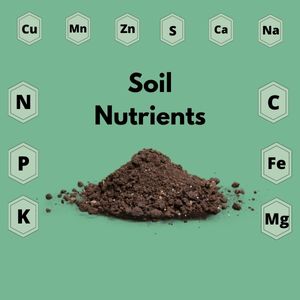
When manure is mixed into soil, these nutrients are released slowly over time, reducing the risk of nutrient burn and leaching.
When applied thoughtfully and responsibly, manure transforms soil into a rich, living foundation capable of supporting strong, productive plants year after year.
Whether you€™re a home gardener or a seasoned farmer, incorporating manure into your soil management practices is a step toward healthier crops and more sustainable growing systems.
Improving Soil Structure and Texture
Beyond nutrients, manure plays a major role in improving soil structure. This is especially important for soils that are compacted, sandy, or heavy in clay.
Benefits for Different Soil Types
- Clay soils
Manure helps break up dense particles, improving drainage and aeration - Sandy soils
Organic matter from manure increases water-holding capacity - Compacted soils
Loosens structure, making it easier for roots to grow
Better soil structure means roots can penetrate deeper, access more nutrients, and establish stronger plants.
Enhancing Soil Microbial Life
Soil is alive. A single teaspoon of healthy soil can contain billions of microorganisms, including bacteria, fungi, protozoa, and beneficial nematodes.
These organisms are responsible for breaking down organic matter, cycling nutrients, and forming symbiotic relationships with plant roots.
Manure acts as food for these microbes. When mixed into soil:
- Microbial populations increase
- Nutrient cycling becomes more efficient
- Soil biology becomes more balanced and resilient
Healthy microbial activity also helps suppress certain soil-borne diseases by outcompeting harmful organisms.
Boosting Long-Term Soil Fertility
One of the biggest advantages of mixing manure into soil is its long-term impact. Unlike quick-release fertilizers that offer a short burst of nutrients, manure builds fertility gradually.
Over time, repeated applications can:
- Increase soil organic matter
- Improve cation exchange capacity (CEC)
- Reduce dependence on synthetic inputs
This long-term fertility makes manure especially valuable for sustainable and regenerative farming systems.
Improving Water Retention and Drainage
Water management is critical for plant health. Too little water stresses plants, while too much can suffocate roots and encourage disease.
Manure helps regulate soil moisture by improving its physical properties.
- Soils amended with manure absorb water more efficiently
- Excess water drains more evenly
- Plants experience fewer drought and waterlogging stresses
This balance is particularly beneficial in regions with irregular rainfall or during dry seasons.
Reducing Environmental Impact
When managed correctly, using manure as a soil amendment can be environmentally friendly. Recycling animal waste back into the soil closes the nutrient loop and reduces waste disposal issues.
Key environmental benefits include:
- Lower reliance on chemical fertilizers
- Reduced energy use in fertilizer production
- Improved soil carbon storage
However, proper application rates and timing are essential to prevent nutrient runoff or groundwater contamination.
The Importance of Properly Aged or Composted Manure
Fresh manure can be too strong for plants and may contain pathogens or weed seeds. That€™s why most gardeners and farmers prefer aged or composted manure.
Benefits of Composted Manure
- Safer for direct soil application
- More stable nutrient content
- Reduced odor and pathogens
- Easier to handle and spread
Mixing composted manure into soil before planting or during bed preparation is generally the safest and most effective approach.
Best Practices for Mixing Manure into Soil
To get the most benefit from manure while avoiding problems, follow these best practices:
- Apply at the right time
Fall or early spring is ideal for most crops - Use appropriate amounts
Too much manure can lead to nutrient imbalances - Incorporate evenly
Mix thoroughly into the top 612 inches of soil - Match manure type to crop needs
High-nitrogen manures like poultry are stronger than cow or horse manure - Test your soil periodically
Helps guide application rates and timing
Proper management ensures nutrients are available when plants need them most.
Recommended Application Rates and Factors Affecting Them
When applying manure, it’s crucial to consider the following:
- Recommended application rates for each type of manure
- Cow manure
2 – 0-3 – 0 tons per acre - Chicken manure
5-1 – 0 tons per acre - Horse manure
1 – 0-1 – 5 tons per acre - Factors affecting application rates
- Soil nutrient levels
- Crop nutrient requirements
- Manure nutrient content
- Environmental regulations
Understanding these factors helps ensure effective and responsible manure application.
Common Concerns and Misconceptions
Some gardeners worry that manure will smell bad, attract pests, or harm plants. In reality, these issues usually arise from improper use.
- Odor
Minimal with composted manure - Pests
Reduced when manure is mixed into soil rather than left on the surface - Plant damage
Avoided by using aged manure and correct rates
Education and moderation make manure a safe and effective soil amendment.
Conclusion
Mixing manure into soil is one of the most natural and effective ways to improve soil health.
From increasing nutrient availability and enhancing structure to supporting microbial life and long-term fertility, manure offers benefits that go far beyond simple fertilization.
When applied thoughtfully and responsibly, manure transforms soil into a rich, living foundation capable of supporting strong, productive plants year after year.
Whether you€™re a home gardener or a seasoned farmer, incorporating manure into your soil management practices is a step toward healthier crops and more sustainable growing systems.
When applied thoughtfully and responsibly, manure transforms soil into a rich, living foundation capable of supporting strong, productive plants year after year.
Whether you€™re a home gardener or a seasoned farmer, incorporating manure into your soil management practices is a step toward healthier crops and more sustainable growing systems.
Related Articles
Pepper leaves curling? Learn the 7 most common causes — from underwatering and heat stress to aphids and viral disease — plus step-by-step fixes to help your plants recover fast.
Pepper Leaves Turning Yellow: Why It Happens and How to Fix It
Pepper plant leaves turning yellow? Learn the 7 most common causes — from nitrogen deficiency to overwatering — and get specific, actionable fixes to bring your pepper plants back to health.