
Tomato pruning is one of those skills that separates a decent harvest from an exceptional one. And once you understand the basics, it’s not complicated at all.
Prune tomatoes by removing suckers the small shoots that emerge between the main stem and a branch using clean fingers or sharp pruners. Focus pruning efforts on indeterminate varieties, which grow continuously all season. Start when plants reach 1218 inches tall, check in weekly during the growing season, and always remove lower leaves that touch the soil to prevent disease from splashing up. Determinate tomatoes need minimal pruning: just remove damaged leaves and any growth crowding the base.
From my years of growing tomatoes in containers and raised beds, I can tell you that skipping pruning is one of the most common mistakes home gardeners make.
Before we get into the how-to, it helps to understand why pruning works and which type of tomato you’re growing. That one piece of information changes everything about how you approach it.
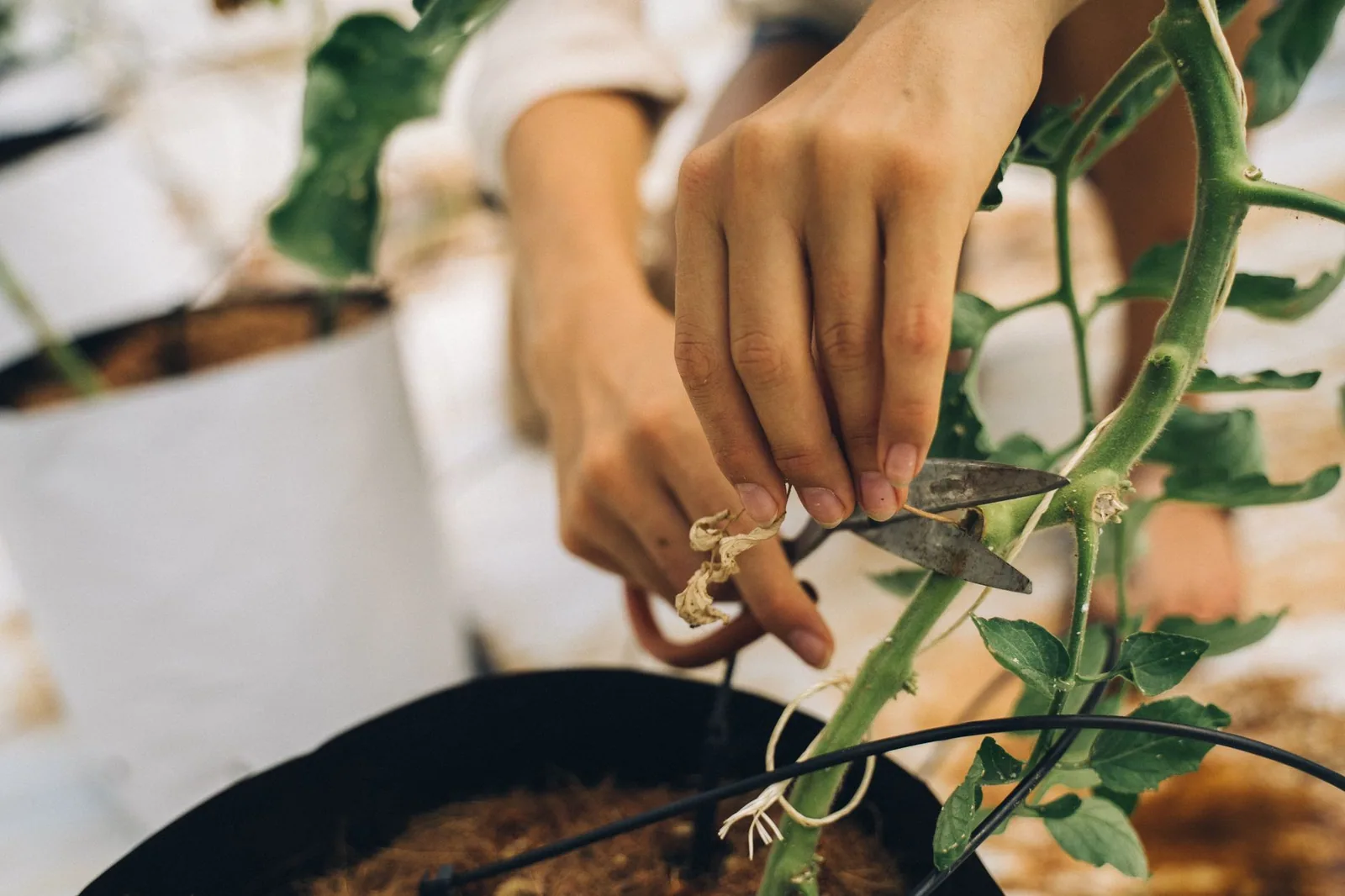
Determinate vs. Indeterminate Tomatoes: Why It Matters First
Not all tomato plants are pruned the same way. Getting this distinction right is the single most important thing you can do before picking up a pair of pruners.
Determinate Tomatoes
Determinate varieties (sometimes called “bush” tomatoes) grow to a fixed height, set all their fruit within a fairly narrow window, and then slow down. Common examples include Roma, Celebrity, and Rutgers.
Because all the energy is already allocated to a set number of fruit clusters, heavy pruning can actually reduce your yield. These plants don’t need much intervention remove leaves touching the soil, cut away anything that looks diseased or damaged, and leave the rest alone.
Indeterminate Tomatoes
Indeterminate varieties like Beefsteak, Cherokee Purple, Sun Gold, and most heirloom types keep growing, flowering, and producing fruit all season long until frost kills them.
These are the plants that genuinely benefit from regular pruning. Without it, they redirect energy into excess foliage rather than fruit. They also become so dense that airflow drops, creating the humid, shaded conditions that fungal diseases love.
If you’re unsure which type you have, check the seed packet or plant tag. “Indeterminate” is almost always listed and if you’re in doubt, treat it as indeterminate and prune lightly to start.
What Is a Tomato Sucker?
A sucker is the small shoot that grows in the “crotch” the V-shaped angle between the main stem and a branch. Left alone, each sucker becomes a full secondary stem with its own flowers, fruit, and further branching.
This sounds productive, but the problem is that each new stem competes for the plant’s resources. More stems mean more leaves, more foliage to maintain, and less concentrated energy going into the fruit already setting on the plant.
The goal of sucker removal is to keep the plant’s energy focused on the fruiting stems you’ve chosen to keep.
The Difference Between a Sucker and a Branch
New gardeners sometimes confuse suckers with the flowering branches that should stay. Here’s the quick rule: if it’s growing from the crotch between the stem and an existing branch, it’s a sucker. If it’s growing directly from the main stem as a leaf or flower cluster, leave it.
When to Start Pruning Tomatoes
Start pruning when your tomato plant reaches 1218 inches tall. This is typically 2 – 3 weeks after transplanting, once the plant is established and actively putting on new growth.
Don’t wait until the plant is sprawling. Small suckers pencil-width or thinner snap off cleanly with your fingers, heal fast, and leave almost no wound for disease to enter. Larger suckers need pruners and leave a bigger scar.
How Often Should You Prune?
Check your indeterminate tomatoes once a week during the growing season. Suckers can go from tiny to several inches long in just a few days during warm weather.
A weekly walk through the garden with a pair of clean pruners takes less than ten minutes and makes a measurable difference in yield and plant health by the end of the season.
How to Prune Tomato Plants: Step-by-Step

Step 1: Clean Your Tools First
Sanitize your pruning shears before you start and between plants if any show signs of disease.
A quick wipe with rubbing alcohol or a diluted hydrogen peroxide solution (3% hydrogen peroxide applied to the blades) kills bacteria and fungal spores that could transfer between plants. This one habit prevents a surprising amount of disease spread.
Step 2: Identify the Suckers
Walk around each plant slowly and look for shoots growing in the V-shaped crotch between stem and branch.
Small suckers (under ½ inch) are easiest to spot when you look at the plant from slightly below and angle your gaze upward along the stem.
Step 3: Remove Small Suckers by Hand
Pinch small suckers off cleanly with your thumb and forefinger.
Snap sideways rather than pulling straight out this creates a clean break rather than tearing the tissue. The wound closes quickly and the plant barely notices.
Step 4: Cut Larger Suckers with Pruners
For any sucker thicker than a pencil, use clean pruning shears.
Cut as close to the stem as possible without cutting into it. Leave a tiny stub rather than cutting flush this actually reduces the risk of infection entering the main stem.
Step 5: Remove Lower Leaves Touching the Soil
Strip off any leaves that touch or nearly touch the soil.
Soil splash during rain or watering carries fungal spores directly onto these leaves. Keeping the bottom 612 inches of the stem bare dramatically reduces early blight and other soilborne diseases. This is a non-negotiable step regardless of your tomato type.
Step 6: Decide How Many Main Stems to Keep
For indeterminate tomatoes in a container or small space, train to a single main stem or two stems maximum.
In a larger garden bed with plenty of space, you can allow two to three stems pick the strongest sucker that forms just below the first flower cluster and let it develop into a second leader. This gives you more fruit without the chaos of an unpruned plant.
Feeding and Pruning Work Together
Pruning tells the plant where to put its energy. Feeding gives it the energy to work with. These two practices complement each other directly.
Once you’re pruning weekly, banana peel water for tomatoes is one of the simplest natural potassium boosts you can add to your routine potassium supports strong fruit development and disease resistance, both of which matter more on a pruned plant that’s channeling everything into fewer stems.
For pest and disease prevention especially after you’ve made fresh cuts hydrogen peroxide for tomatoes applied as a diluted foliar spray can help keep the plant clean and reduce fungal pressure on newly exposed tissue.
And if you want to avoid one of the most frustrating tomato problems, read up on preventing blossom end rot. Consistent watering made easier when a pruned plant has better airflow and you can see what’s happening is the main defense against it.
Common Pruning Mistakes to Avoid
Over-Pruning
Removing too many leaves at once stresses the plant and strips away the photosynthetic capacity it needs to ripen fruit. A good rule: never remove more than one-third of the plant’s foliage in a single session.
Pruning Determinate Varieties Too Hard
If you prune a determinate tomato the same way you’d prune an indeterminate, you risk removing flower buds that are already set and cutting your yield significantly. Keep it minimal with these varieties.
Pruning in Wet Conditions
Pruning when leaves are wet after rain or morning dew creates ideal conditions for bacterial and fungal infections to enter fresh cuts. Prune in the morning on dry days and give cuts a few hours to dry before evening moisture sets in.
Using Dirty Tools
This one comes up again for a reason: a single snip with contaminated shears can spread blight or mosaic virus across your entire row. Clean tools are non-negotiable.
Waiting Too Long Between Sessions
Letting suckers grow large makes removal harder, creates bigger wounds, and means the plant has already spent energy on growth you’re about to remove. Weekly checks prevent this from becoming a problem.
Quick Reference: Pruning by Tomato Type
| Tomato Type | Sucker Removal | Lower Leaf Removal | Stem Training |
|---|---|---|---|
| Indeterminate | Weekly remove all suckers below chosen leader(s) | Yes keep bottom 612 inches bare | 1 – 2 main stems |
| Determinate | Minimal remove only damaged growth | Yes keep bottom 6 inches bare | Let natural shape develop |
| Semi-determinate | Light pruning remove crowding suckers only | Yes | 2 stems max |
Frequently Asked Questions
Should I prune tomatoes in pots differently than in the ground?
Yes container tomatoes have limited root space and nutrient access, so single-stem training is almost always the right call. One strong stem, pruned weekly, will outperform a multi-stem plant fighting for resources in a confined pot.
Can I prune tomatoes when they’re flowering or fruiting?
Absolutely. In fact, you should keep pruning all season long on indeterminate varieties. Stopping once fruit sets is a common mistake suckers keep coming and will divert energy from ripening fruit if left unchecked.
What happens if I don’t prune at all?
For determinate varieties, not much. For indeterminate types, you’ll get a very large, bushy plant with plenty of small fruit but reduced airflow, higher disease pressure, and slower ripening as energy is spread thin across dozens of competing stems.
Should I remove the top of the plant (topping)?
Yes about 4 – 6 weeks before your average first frost date, pinch or cut the growing tip of the main stem. This stops the plant from putting energy into new flowers that won’t have time to set and ripen fruit before the season ends. It redirects everything into the fruit already on the vine.
Do I need to prune cherry tomatoes?
Cherry tomatoes are almost always indeterminate, so yes regular sucker removal helps. That said, they’re more forgiving than large-fruited varieties. At a minimum, remove lower leaves and the biggest suckers; you don’t need to be as strict as you would with a beefsteak type.
Can I root the suckers I remove?
Yes tomato suckers root easily in water or moist soil. Place a fresh sucker in a glass of water on a sunny windowsill and you’ll see roots within a week or two. It’s a free way to propagate additional plants mid-season.
The Bottom Line
Pruning tomatoes isn’t complicated it’s just a matter of understanding what your plant is trying to do and gently redirecting that energy. Indeterminate varieties need consistent weekly attention; determinate varieties need only light cleanup. Either way, keeping the base of the plant clear and your tools clean are the two habits that make the biggest long-term difference.
Start small, stay consistent, and don’t be afraid to remove growth that’s competing with your best stems. A pruned tomato plant is a focused tomato plant and a focused plant produces more fruit, ripens it faster, and stays healthier from transplant to first frost.
The single best thing you can do for your tomato harvest this season is spend ten minutes a week with a pair of clean pruners the results will show up in every basket you bring in from the garden.
Related Posts
- Hydrogen Peroxide for Plants: 1 – 1 Uses & Mixing Ratios
- Banana Peel Water for Tomatoes: Does It Work?
- Tomatoes Green Inside: What It Means and What to Do
- Using Epsom Salt for Tomatoes: Does It Help?
- How to Stop Blossom End Rot in Tomatoes
Related Articles
Pepper leaves curling? Learn the 7 most common causes — from underwatering and heat stress to aphids and viral disease — plus step-by-step fixes to help your plants recover fast.
Pepper Leaves Turning Yellow: Why It Happens and How to Fix It
Pepper plant leaves turning yellow? Learn the 7 most common causes — from nitrogen deficiency to overwatering — and get specific, actionable fixes to bring your pepper plants back to health.