
It’s a little alarming, especially when it spreads quickly. But before you panic, take a breath this is one of the most common squash problems home gardeners run into, and it’s very treatable.
White powder on squash leaves is powdery mildew, a fungal disease that thrives in warm, humid conditions with poor air circulation. It starts as small white or gray spots on the leaf surface, then spreads to cover entire leaves, weakening the plant and reducing yields. The good news is you can treat it with baking soda spray, neem oil, or a milk solution and prevent future outbreaks by spacing plants properly, watering at soil level, and choosing mildew-resistant varieties.
It rarely kills the plant outright, but if you ignore it, your harvest suffers.
Understanding why it happens and catching it early makes all the difference. Let’s work through the causes, how to identify it correctly, and the most effective treatments available to you right now.
What Causes White Powder On Squash Leaves?
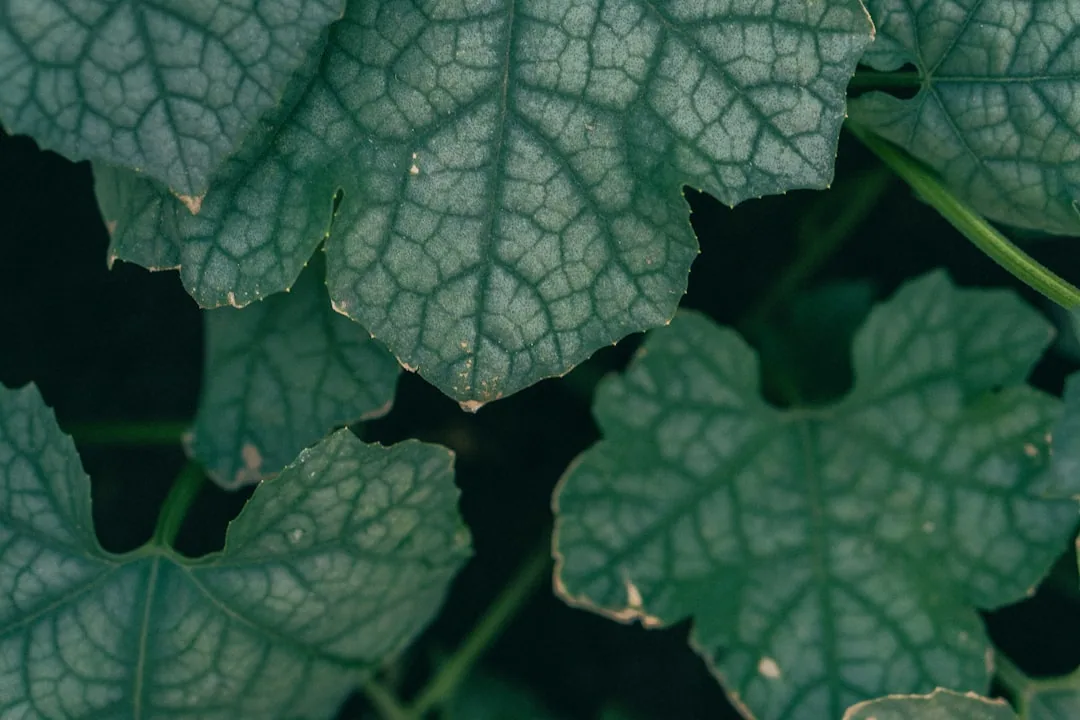
The white powder you’re seeing is the visible sign of a fungal infection specifically from species in the Erysiphe and Podosphaera families. Unlike most fungal diseases, powdery mildew doesn’t need wet leaves to spread. It actually thrives in dry daytime conditions paired with high humidity at night.
That combination is exactly what most summer gardens deliver. And squash, with its broad horizontal leaves that overlap and trap warm air, is especially susceptible.
If you’ve noticed other unusual things happening to your plants like leaves curling or discoloration alongside the white coating it’s worth ruling out a few different causes before treating. But in the vast majority of cases, white powder on squash means powdery mildew.
Warm Days and Humid Nights
Powdery mildew fungal spores germinate best when daytime temperatures sit between 6 – 0°F and 8 – 0°F, with nighttime humidity above 8 – 5%. You don’t need rain. You don’t even need wet leaves. The humidity alone gives the spores everything they need to take hold.
Poor Air Circulation
Dense plantings trap warm, humid air around the leaves. Squash are vigorous growers and can crowd each other quickly, especially in raised beds. When air can’t move freely between plants, the microclimate around the leaves becomes a perfect incubator for mildew spores.
Overhead Watering
Watering from above wets the leaf surface. While powdery mildew doesn’t require wet leaves, the extra moisture from overhead watering creates the humidity conditions the fungus loves especially if leaves stay damp into the evening.
Weakened or Stressed Plants
A plant that’s underfed, overwatered, or dealing with root stress is more vulnerable. Powdery mildew often arrives as a secondary problem on plants that are already struggling. If your squash are also turning yellow or showing other stress signs, address those root issues alongside the mildew treatment.
Infected Neighboring Plants or Spores on the Wind
Powdery mildew spores travel on the wind and spread from nearby infected plants. If your neighbor’s garden is dealing with it, or if you had powdery mildew last season, there are almost certainly dormant spores in the area already.
How to Identify Powdery Mildew Correctly
Before treating, it helps to confirm you’re actually dealing with powdery mildew and not something else like white pests or a nutrient deficiency causing pale patches.
Powdery mildew has a very specific look:
- White or light gray powder that sits on top of the leaf surface (not underneath)
- Starts as distinct circular spots, usually on older, lower leaves first
- Spreads to cover the entire leaf surface as the infection progresses
- The leaf beneath the powder may yellow or brown over time
- In advanced cases, leaves crinkle, curl, and die back
- The powder wipes off if you rub it with your finger this is a key identifier
If the spots are on the underside of the leaf, or the discoloration doesn’t wipe off, you may be dealing with a different issue. White spots on tomato leaves can look similar but have different causes so it’s worth cross-checking if you’re also growing tomatoes nearby.
It’s also worth ruling out pest problems on leaves before committing to a fungal treatment. White powdery mildew should have no visible insects, eggs, or webbing associated with it.
Note: Powdery mildew tends to appear on the top surface of leaves first. If you see white fuzz on the underside, you may be looking at downy mildew a different disease that requires a different treatment approach.
How to Fix White Powder On Squash Leaves
The treatments below work best when started at the first sign of infection. If the mildew has spread to more than 5 – 0% of the leaf area on most of your plants, aggressive pruning plus treatment will be necessary.
1. Baking Soda Spray
Baking soda changes the pH on the leaf surface, making it inhospitable to fungal growth. It’s inexpensive and usually already in your kitchen.
Baking soda spray is one of the easiest first-line treatments I reach for, since I almost always have it in the kitchen already.
You are probably familiar with Arm and Hammer baking soda, but this Roots Baking Soda is just as good or even better than some of my gardener friends say, and it comes at a great price.

How to make it:
Mix 1 tablespoon of baking soda and 1 tablespoon of horticultural or neem oil into 1 gallon of water. Add a few drops of liquid dish soap to help it stick.
How to apply it:
Spray thoroughly on all affected leaf surfaces, covering both top and underside. Apply in the early morning so the solution dries before evening. Repeat every 710 days.
Important: Don’t apply in full sun or temperatures above 8 – 5°F it can cause leaf burn.
2. Neem Oil Spray
Neem oil is a broad-spectrum natural fungicide that disrupts the fungal life cycle and also deters many pests. It’s one of the most reliable organic options for powdery mildew.
How to mix it:
Combine 2 tablespoons of neem oil, 1 teaspoon of dish soap, and 1 gallon of warm water. Shake well before each spray neem oil separates quickly.
How to apply it:
Spray the entire plant, including stems and the undersides of leaves. Apply every 714 days during active infection. Repeat after rain.
3. Milk Spray
This sounds unconventional, but milk spray is well-supported by research. A 2010 study published in the journal Crop Protection found that a 1 – 0% milk solution was as effective as conventional fungicides in some trials.
How to make it:
Mix 1 part full-fat milk with 9 parts water (roughly 1.5 cups of milk per gallon of water).
How to apply it:
Spray directly on affected leaves. Apply in the morning to allow the sun to activate the solution’s antifungal compounds. Repeat weekly.
4. Remove Heavily Infected Leaves
If individual leaves are more than 5 – 0% covered in mildew, prune them off entirely. Bag them and dispose of them in the trash do not compost mildew-infected plant material, as the spores can survive and spread next season.
This won’t cure the plant on its own, but it reduces the spore load significantly and improves air circulation around the remaining foliage.
5. Sulfur-Based or Copper Fungicide (Escalation)
If the organic options above aren’t keeping up with a severe outbreak, a sulfur-based fungicide is the next step. These are OMRI-listed for organic use and effective against powdery mildew specifically.
Follow label directions carefully sulfur can damage plants in high heat, so apply in the early morning or evening when temperatures are below 8 – 0°F.
Quick Reference Diagnosis Table
| Visual Pattern | Likely Cause | Solution |
|---|---|---|
| White powder on leaf tops, wipes off | Powdery mildew | Baking soda, neem oil, milk spray |
| Yellow patches, powder on underside | Downy mildew | Copper fungicide, improve drainage |
| White spots that don’t wipe off | Nutrient deficiency or sunscald | Check soil pH and sun exposure |
| White dots + webbing | Spider mites | Neem oil spray, increase humidity |
| White or pale blotches + yellowing | Viral mosaic disease | Remove infected plants, no cure |
Prevention: Stopping Powdery Mildew Before It Starts
Once you’ve treated the current outbreak, a few straightforward changes to how you grow squash will dramatically reduce how often mildew comes back.
Space plants further apart.
Squash needs 2436 inches between plants, and rows should be at least 3 – 4 feet apart. This isn’t just about room to grow it’s about airflow. When leaves can breathe, the humid microclimate that powdery mildew loves can’t build up.
Water at soil level.
Drip irrigation or a soaker hose keeps moisture at the roots where it belongs. If you’re hand-watering, aim at the base of the plant, not the foliage. Morning watering is always better than evening any splash that does reach the leaves has time to dry in the sun.
Clean up at the end of the season.
Powdery mildew spores overwinter in plant debris. Pull out all squash plants after harvest and dispose of them don’t till infected material back into the soil.
Choose resistant varieties.
If powdery mildew is a consistent problem in your garden, it’s worth seeking out resistant squash varieties. Look for “PM resistant” or “PMR” on seed packets. Varieties like ‘Astia’, ‘Bush Baby’, and several hybrid zucchini lines have bred-in resistance.
Apply preventative neem oil sprays.
Starting neem oil applications before you ever see mildew roughly every 2 weeks from midsummer onward creates a protective coating on leaves that makes infection much harder. This is one of the best habits I’ve developed for keeping my squash plants healthy through late summer.
I keep neem oil on hand year-round it’s my go-to for both treating active powdery mildew and preventing it from taking hold in the first place.
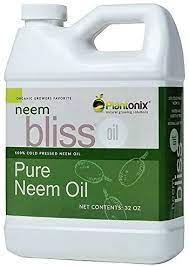
I use bliss pure neem oil from Amazon for a great price. It works great when it comes to shining leaves and provides a layer of protection for plants against common pests.
Common leaf problems like powdery mildew are worth taking seriously early much like how holes on rose leaves benefit from prompt identification and treatment before a small issue becomes a whole-plant problem.
When to Worry
Powdery mildew is rarely fatal to squash plants on its own, but the situation warrants more urgent action when:
- More than 7 – 5% of the foliage is infected the plant can no longer photosynthesize effectively and yields will be severely impacted
- New growth is immediately infected this means the spore pressure in your garden is very high; escalate to a sulfur or copper fungicide
- The mildew isn’t responding to treatment after 3 – 4 applications consider whether you’re dealing with a resistant strain or a different disease entirely
- The plant is also showing wilting, stem rot, or crown rot these indicate a more serious secondary infection and the plant may need to be removed to protect nearby crops
In most home garden cases, catching powdery mildew in the early spotting stage and treating immediately will keep your plants productive through the end of the season.
Frequently Asked Questions
Can squash survive powdery mildew?
Yes, in most cases. Plants with mild to moderate infections can continue producing if treated promptly. Severe late-season infections are less damaging because the plant has already set most of its fruit by then.
Is it safe to eat squash from a plant with powdery mildew?
Yes. Powdery mildew is a plant disease it does not affect the fruit and is not harmful to humans. Wash your squash as normal before eating.
Does powdery mildew spread to other plants?
Powdery mildew species are somewhat host-specific. The strain on squash can spread to other cucurbits like cucumbers, melons, and pumpkins. It’s less likely to infect unrelated plants, but keep an eye on neighboring susceptible crops.
Will powdery mildew go away on its own?
Rarely. Without treatment, it spreads. Cooler temperatures in fall can slow it, but by then significant damage is often already done. Treat it as soon as you spot it.
Can I use hydrogen peroxide on powdery mildew?
Yes a diluted hydrogen peroxide spray (mix 1 tablespoon of 3% hydrogen peroxide per quart of water) can help kill surface fungal spores. It’s a useful option if you don’t have baking soda or neem oil on hand, but it needs to be applied carefully to avoid leaf burn.
When is it too late to treat powdery mildew on squash?
If the majority of leaves are fully covered and the plant is no longer producing new healthy growth, treatment is unlikely to save the current plant. Focus on preventing spread to neighboring plants and plan resistant varieties for next season.
The Bottom Line
White powder on squash leaves is almost always powdery mildew a fungal disease that looks dramatic but is very manageable when treated early. It thrives in warm, humid conditions with poor airflow, and it spreads fast if ignored.
Start with a baking soda, neem oil, or milk spray at the first sign of those chalky white spots. Remove heavily infected leaves, improve spacing and watering habits, and consider preventative neem applications going forward.
The most important thing you can do is act early a few white spots treated promptly is a minor inconvenience; the same infection left for two weeks becomes a whole-plant problem.
Related Posts
- Holes on Rose Leaves: What’s Causing Them and How to Fix It
- Squash Leaves Turning Yellow: Causes and Fixes
- White Spots on Tomato Leaves: What They Are and How to Treat Them
- Plant Leaves Curling: Causes and How to Fix It
- Pale Plant Leaves: What’s Causing the Discoloration
Related Articles
Pepper leaves curling? Learn the 7 most common causes — from underwatering and heat stress to aphids and viral disease — plus step-by-step fixes to help your plants recover fast.
Pepper Leaves Turning Yellow: Why It Happens and How to Fix It
Pepper plant leaves turning yellow? Learn the 7 most common causes — from nitrogen deficiency to overwatering — and get specific, actionable fixes to bring your pepper plants back to health.