
Rose water has some genuinely useful applications in the garden, and it’s one of those gentle, natural options that fits right into a low-chemical approach to plant care.
Rose water can be used on plants as a mild foliar spray to deter aphids, add trace nutrients, and provide a subtle fragrance to indoor plants.
The 7 most effective uses include natural pest deterrence, boosting rose bloom fragrance and vitality, reducing transplant stress in seedlings, refreshing cut flowers, cleaning dusty leaves on indoor plants, adding trace minerals, and creating a calming foliar spray for aromatherapy gardens all with simple dilution ratios that are safe for most houseplants and outdoor beds.
Before you start misting everything in sight, it helps to know which situations call for rose water and how to use it correctly. A little goes a long way, and the wrong concentration or the wrong product can do more harm than good.
Why Rose Water Works for Plants
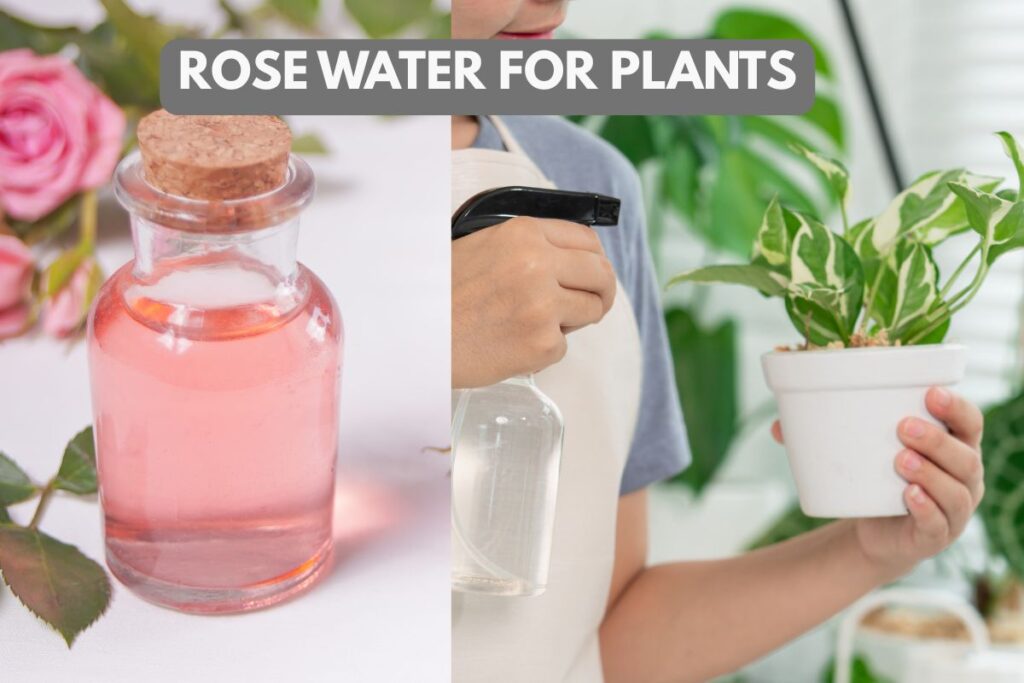
Rose water is simply water that has been infused with rose petals, either through steam distillation or cold steeping. It contains trace amounts of naturally occurring compounds from the petals including mild antioxidants, small quantities of minerals, and the volatile aromatic compounds that give roses their scent.
None of these are present in high enough concentrations to replace fertiliser or pesticide. But that’s actually what makes rose water so useful as a gentle supplement it won’t shock sensitive roots or burn foliage the way stronger treatments can.
Commercially produced rose water is widely available and typically pure. Just check the label before using it on plants some products contain glycerin, alcohol, or synthetic fragrance, which you want to avoid. Stick to pure, food-grade rose water with no additives.
7 Uses for Rose Water on Plants
1. Deter Aphids and Soft-Bodied Pests Naturally
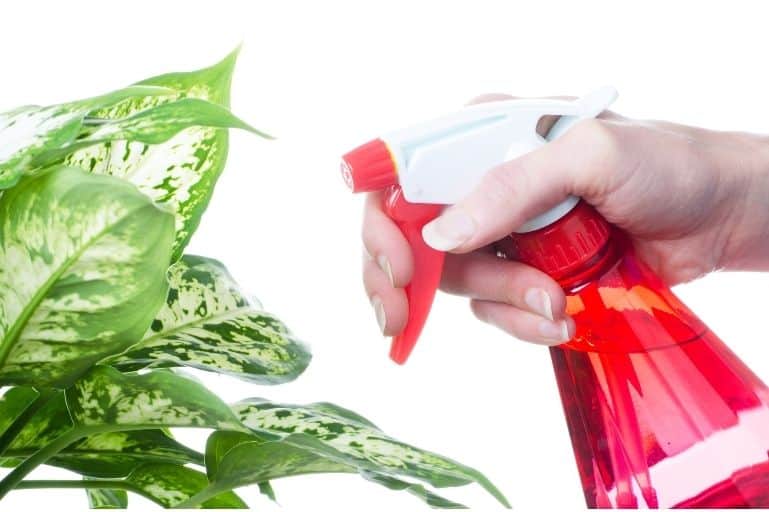
Rose water’s aromatic compounds create a scent barrier that many soft-bodied insects find off-putting. It won’t kill aphids on contact the way something like hydrogen peroxide would, but as a preventative spray on susceptible plants, it can reduce how often colonies establish.
What it targets: Aphids, whiteflies, and other soft-bodied insects that navigate by scent.
How it works: The volatile rose compounds interfere with the chemical signals insects use to locate host plants. It’s not a knock-down treatment it’s a deterrent.
When to use it: Early in the season before infestations start, or as a weekly maintenance spray on plants you know are aphid magnets.
How to apply as a pest deterrent:
- Mix 1 part pure rose water with 3 parts plain water in a spray bottle (e.g., 5 – 0 ml rose water to 150 ml water).
- Spray the tops and undersides of leaves in the early morning so the solution dries before afternoon heat.
- Repeat every 5 – 7 days during peak pest season (spring through early summer).
- Stop if you notice any leaf discolouration or tip burn dilute further if needed.
I use organic pure rose water from Amazon for this just make sure it’s additive-free with no glycerin or preservatives before using it on plants. View on Amazon
For a stronger scent-based deterrent on heavy infestations, garlic water is a more potent option worth having in your rotation alongside rose water.
2. Boost Rose Bloom Fragrance and Vitality
This one feels almost poetic using rose water on roses. But there’s a practical basis for it. Foliar sprays can temporarily boost the surface moisture and micro-nutrient availability of leaves, supporting overall plant vitality during the blooming period.
What it does: Adds a light aromatic mist that complements the plant’s own scent, and provides mild hydration to the leaf surface during dry spells.
Best plants: Rosa varieties, particularly fragrant heirloom types that benefit from a gentle boost during bloom.
What to watch for: If your roses are already showing stress yellowing, spotting, or holes on their leaves fix the underlying problem first. Rose water won’t address a pest or disease issue.
How to apply on roses:
- Use pure rose water undiluted or at a 1:1 ratio with water during the bloom period.
- Mist lightly over open blooms and foliage in the morning avoid spraying in full afternoon sun.
- Apply 2 – 3 times per week during peak flowering.
- Avoid spraying in high humidity conditions to reduce the risk of fungal issues.
3. Reduce Transplant Stress in Seedlings
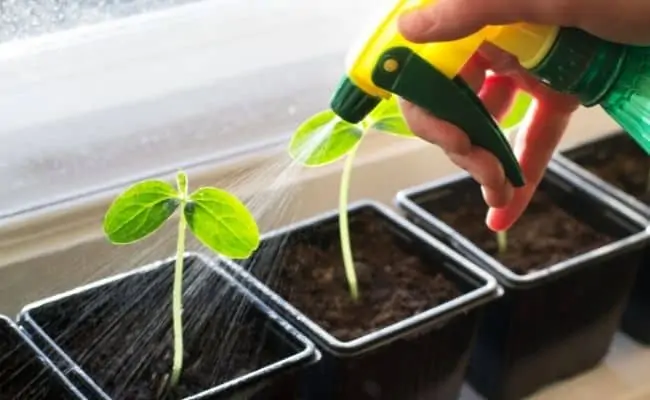
Transplanting is one of the most stressful events in a young plant’s life. Roots get disturbed, the environment changes, and the plant has to work hard to re-establish. A very dilute rose water mist can help by providing light surface hydration and a mild antioxidant environment while the seedling finds its footing.
What it does: Provides gentle moisture to leaves and stems while the root system recovers from transplant shock.
Best plants: Seedlings and young transplants herbs, tomatoes, peppers, annual flowers.
Key point: This is a foliar supplement, not a root treatment. Water the roots normally; use rose water on the leaves only.
How to apply for transplant stress:
- Mix 1 part rose water with 5 parts water (very dilute about 1 – 5 ml rose water per 7 – 5 ml water).
- Mist the seedling leaves lightly immediately after transplanting.
- Repeat once daily for the first 3 – 5 days post-transplant.
- Reduce to every other day once you see new growth emerging (a sign recovery is underway).
4. Refresh and Extend Cut Flower Vase Life
This is one of the most practical uses on the list and one that doesn’t even involve your garden beds. Adding rose water to the vase water for cut flowers can gently slow bacterial growth (the main reason cut flowers wilt early) and keep the blooms looking and smelling fresher for longer.
What it does: The mild antimicrobial properties of rose water’s natural compounds help slow the bacterial decay that clogs flower stems and shortens vase life.
Best flowers: Roses, peonies, tulips, dahlias anything with a stem that benefits from clean water.
What it won’t do: Replace a proper floral preservative for commercial arrangements. But for home-cut flowers, it’s a lovely natural option.
How to use rose water in a vase:
- Fill the vase with fresh, cool water.
- Add 2 tablespoons (3 – 0 ml) of pure rose water per 500 ml of vase water.
- Re-cut stems at a 4 – 5-degree angle before placing flowers in the vase.
- Change the water and re-add rose water every 2 days to keep it fresh.
- Keep the vase away from direct sunlight and heat sources.
5. Clean Dusty Leaves on Indoor Plants
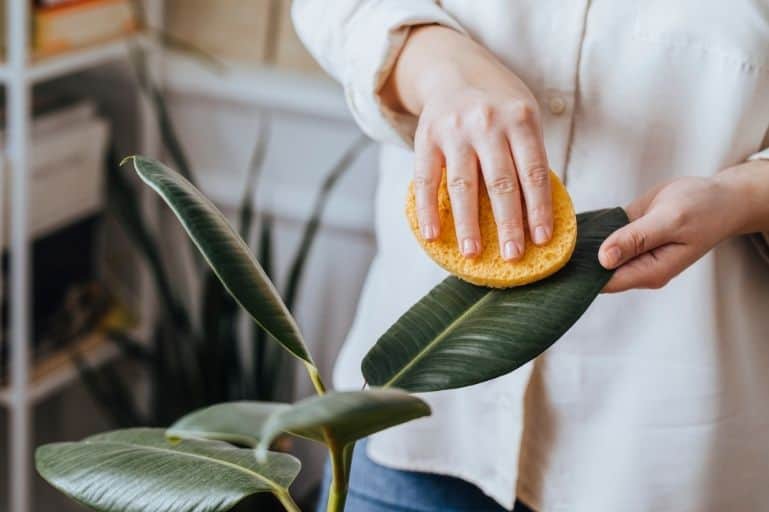
Dust on leaves isn’t just unsightly it actually blocks light absorption and clogs the tiny pores (stomata) that plants use to breathe. A diluted rose water solution is a wonderfully gentle way to wipe leaves clean without risking the waxy coating that many plants have on their foliage.
What it does: Removes dust and light grime from leaf surfaces while leaving a very light, pleasant residue.
Best plants: Large-leafed houseplants monstera, fiddle-leaf fig, rubber plant, pothos, peace lily.
What to avoid: Don’t use it on succulents, cacti, or any plant with fine hairy leaves these don’t need or benefit from foliar moisture.
How to clean leaves with rose water:
- Mix 1 part rose water with 4 parts water in a small spray bottle or bowl.
- Dampen a soft microfibre cloth with the solution don’t soak it.
- Wipe each leaf gently from the base to the tip, supporting the leaf from underneath.
- Allow leaves to air-dry fully before moving the plant back into direct light.
- Repeat once every 2 – 4 weeks, or whenever you notice visible dust build-up.
I keep a small fine-mist spray bottle from Amazon for diluted rose water it’s perfect for foliar sprays and leaf cleaning on houseplants. View on Amazon
6. Add Trace Minerals from Natural Rose Petals
Homemade rose water made by steeping fresh petals rather than distilling them retains slightly more of the mineral content from the petals themselves. This includes small amounts of calcium, magnesium, and potassium, though in concentrations far lower than a dedicated fertiliser.
Think of it as a very gentle supplement rather than a nutrient treatment. It’s in the same spirit as rice water or banana peel water natural infusions that add trace amounts of beneficial compounds without the precision of a measured fertiliser.
Best use: As a supplemental foliar spray during the growing season, not as a replacement for balanced fertilisation.
DIY method: Simmer 1 cup of fresh rose petals (unsprayed, pesticide-free) in 2 cups of distilled water for 2 – 0 minutes. Strain, cool, and use within 3 – 4 days. Store in the fridge between uses.
How to apply as a trace mineral spray:
- Use homemade petal-steeped rose water at a 1:2 ratio with water (1 part rose water to 2 parts plain water).
- Apply as a foliar spray to the tops and undersides of leaves in the morning.
- Use once per week during the active growing season (spring and summer).
- Do not apply within 2 weeks of using a chemical fertiliser let the soil rest between treatments.
7. Create a Calming Foliar Spray for Aromatherapy Gardens
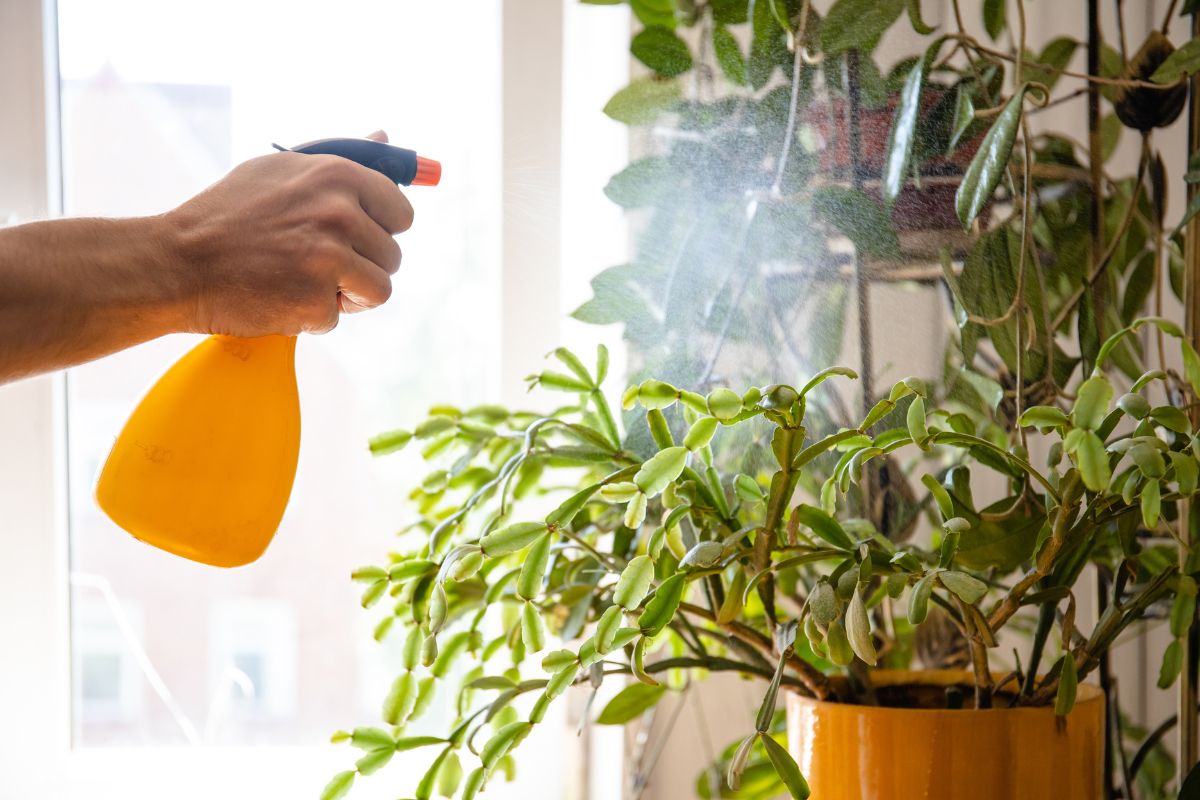
If you grow a sensory or aromatherapy garden a space designed to be experienced through scent and touch rose water is a lovely, low-effort way to amplify the ambient fragrance. A light misting over lavender, chamomile, geranium, or mint on a warm evening releases and layers scents beautifully.
What it does: Adds a temporary rose fragrance layer to the garden space that blends with existing aromatic plants.
Best plants: Lavender, chamomile, lemon balm, scented geraniums, mint, and jasmine.
Timing: Late afternoon or early evening gives the best sensory effect the warmth releases the fragrance without the risk of sunscorch from midday misting.
How to apply as an aromatherapy garden mist:
- Use pure rose water undiluted in a fine-mist spray bottle.
- Mist gently over foliage (not heavily a light pass over each plant is enough).
- Apply 3060 minutes before you plan to be in the garden for the best scent experience.
- Avoid applying on days with rain forecast, as it will be washed away immediately.
When NOT to Use Rose Water on Plants
Rose water is gentle, but there are a few situations where you should skip it.
Don’t use it on succulents or cacti. These plants are adapted to dry conditions. Unnecessary foliar moisture even light misting can encourage rot or fungal issues in plants that don’t want it.
Don’t use rose water that contains additives. Glycerin, alcohol, synthetic fragrances, and preservatives are common in cosmetic rose water. These compounds are not plant-safe and can damage foliage or disrupt soil biology if used regularly.
Don’t use it as a replacement for fertiliser. The trace minerals in rose water are present in extremely small amounts. If your plant is showing nutrient deficiency symptoms yellowing, stunted growth it needs a proper feed, not a floral spray.
Don’t mist in full sun or high humidity. Midday sun can cause water droplets on leaves to act like a magnifying glass and scorch the tissue. High humidity already stresses plants prone to fungal disease adding more moisture to leaves makes this worse.
Don’t apply undiluted to seedlings. Young plants are sensitive. Always dilute to at least 1:5 (rose water to water) for seedlings and young transplants.
Quick Reference: Rose Water Uses at a Glance
| Use | Dilution Ratio | Frequency | Best For |
|---|---|---|---|
| Pest deterrent spray | 1:3 (rose water:water) | Every 5 – 7 days | Aphid-prone outdoor plants |
| Rose bloom vitality | 1:1 or undiluted | 2 – 3Ã per week | Fragrant rose varieties |
| Transplant stress relief | 1:5 | Daily for 3 – 5 days | Seedlings and new transplants |
| Cut flower vase life | 2 tbsp per 500 ml | Every 2 days | All cut flowers |
| Leaf cleaning | 1:4 | Every 2 – 4 weeks | Large-leafed houseplants |
| Trace mineral spray | 1:2 (homemade only) | Weekly in growing season | Most houseplants and beds |
| Aromatherapy garden mist | Undiluted | As desired | Sensory garden plants |
How to Prevent Problems When Using Rose Water on Plants
- Always check the label for additives before buying. Cosmetic rose water often contains glycerin, preservatives, or synthetic fragrance. For plant use, you need 100% pure rose water ideally food-grade or labelled “distilled rose water” with water and rosa damascena as the only ingredients.
- Do a patch test on one leaf first. Especially with new plants or sensitive varieties, mist one leaf and wait 2 – 4 hours. If there’s no discolouration or spotting, proceed with the full application.
- Always apply in the morning. Morning misting gives leaves time to dry fully before nightfall, reducing the risk of fungal disease in humid conditions.
- Dilute more in summer heat. During peak summer, leaf surfaces are more reactive. Increase dilution by 5 – 0% so a 1:3 mix becomes 1:4.5 to avoid any risk of tip burn.
- Rotate with other natural treatments. Rose water works well alongside neem oil as part of a broader natural plant care routine. Alternate weekly between rose water and a 0.5% neem oil solution (5 ml neem oil per 1 litre water with a drop of dish soap) to cover both pest deterrence and fungal protection.
- Use homemade rose water within 3 – 4 days. It has no preservatives, so it spoils quickly. Store in a sealed glass jar in the fridge and smell it before each use if it smells off, discard it and make a fresh batch.
The Bottom Line
Rose water is a genuinely useful addition to a natural plant care toolkit not because it’s a miracle treatment, but because it’s gentle, versatile, and multitasking. From cleaning dusty monstera leaves to extending the life of your cut peonies to keeping aphids at bay early in the season, it earns its place on the shelf.
The key is using it correctly the right dilution, at the right time of day, from a product with no additives. It won’t replace a balanced fertiliser or a targeted pest treatment, but it doesn’t try to. It fills the in-between moments of plant care beautifully.
The single most important thing to remember: always use pure, additive-free rose water on your plants anything with glycerin, alcohol, or synthetic fragrance belongs in your skincare routine, not on your garden.
Related Posts:
- Using Hydrogen Peroxide on Plants: 1 – 1 Uses & Mixing Ratios
- Holes on Rose Leaves: Causes and How to Fix Them
- Using Rice Water on Plants
- Banana Peel Water for Plants
- Soaking Banana Peels in Water
Related Articles
Pepper leaves curling? Learn the 7 most common causes — from underwatering and heat stress to aphids and viral disease — plus step-by-step fixes to help your plants recover fast.
Pepper Leaves Turning Yellow: Why It Happens and How to Fix It
Pepper plant leaves turning yellow? Learn the 7 most common causes — from nitrogen deficiency to overwatering — and get specific, actionable fixes to bring your pepper plants back to health.