
It is incredibly tempting to grab a bottle of blue dish soap, mix it with some tap water, and start spraying of bugs and pests. But before you douse your delicate foliage in soapy suds, it is vital to know exactly how to do it without accidentally killing your plants.
Using dish soap on plants is safe and highly effective for controlling soft-bodied pests like aphids, spider mites, and whiteflies, provided you use the correct ratio of 1 teaspoon of mild, additive-free liquid soap per 1 quart of warm water.
While real castile soap is the safest choice, standard dish soaps can be used in highly diluted amounts to clean leaves, act as a surfactant, and sanitize gardening tools. Always test a single leaf first and avoid spraying plants in direct sunlight to prevent chemical burns.
Understanding how soap interacts with plant tissue is the first step toward becoming a successful home gardener. Applying the wrong type of soap can strip away a leaf’s natural protective barrier, leading to dehydration and death.
Let’s look at why this simple household staple works so well and how you can use it safely in your garden.
Is Dish Soap Safe for Plants? (Understanding the Science)
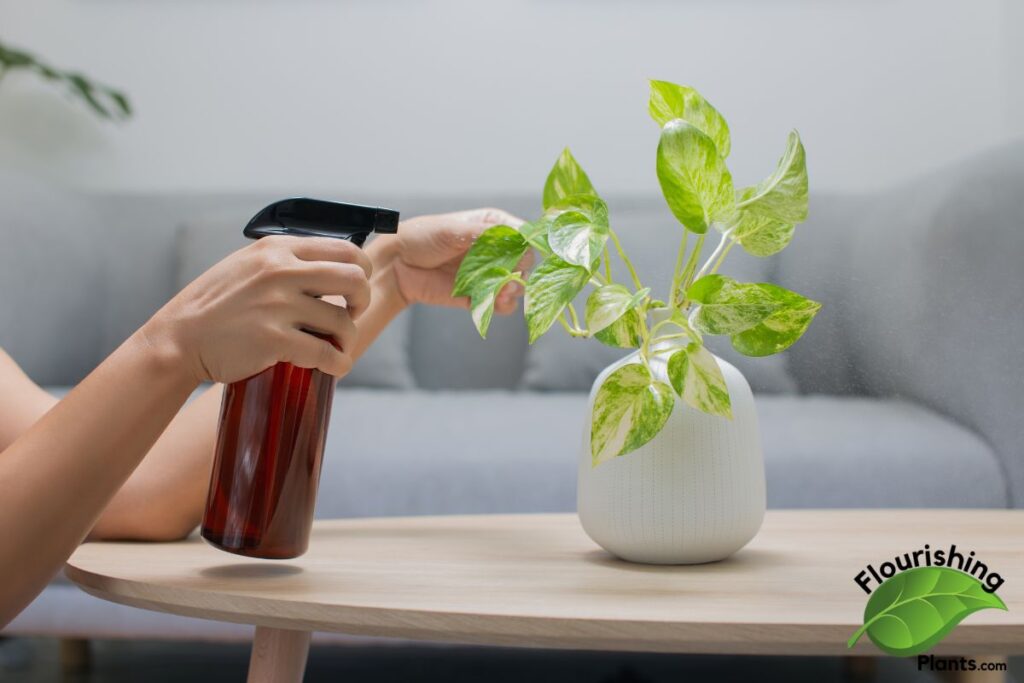
Many people do not realise that modern dish “soaps” like Dawn or Palmolive are actually synthetic detergents, not true soaps. Detergents are formulated to strip grease, heavy oils, and baked-on food from pots and pans.
A plant’s leaves are covered in a thin, waxy layer called the cuticle. This cuticle acts as a shield, keeping moisture inside the plant and keeping environmental pathogens out.
When you spray a strong detergent on a plant, it can dissolve this protective wax. This leaves your plant highly vulnerable to drying out, scorching under the sun, and catching fungal diseases.
If you use alternative household cleaners, you might wonder about other brands. For instance, some gardeners ask, Is Simple Green Safe For Plants? to see if industrial degreasers are a better choice.
To keep your plants completely safe, always choose a mild, biodegradable soap. Pure liquid castile soap is the absolute gold standard for garden use.
I use Dr. Bronner’s Baby Mild Liquid Soap from Amazon it works great for making gentle plant sprays because it is completely free of synthetic fragrances and harsh detergents.
View on Amazon
The Safe Mixing Ratio for Plants
To avoid damaging your foliage, you must always stick to a highly diluted formula. A safe, standard mixture is a 1% to 2% soap concentration.
This translates to roughly 1 teaspoon of mild liquid soap per 1 quart of warm water. If you are mixing a larger batch, use 1 to 2 tablespoons of soap per gallon of water.
Never assume that adding more soap will make the spray work better. Stronger mixtures will quickly burn your plant’s leaves and roots.
7 Genius Ways to Use Dish Soap on Plants
1. Eliminating Soft-Bodied Pests (Aphids, Spider Mites, and Thrips)
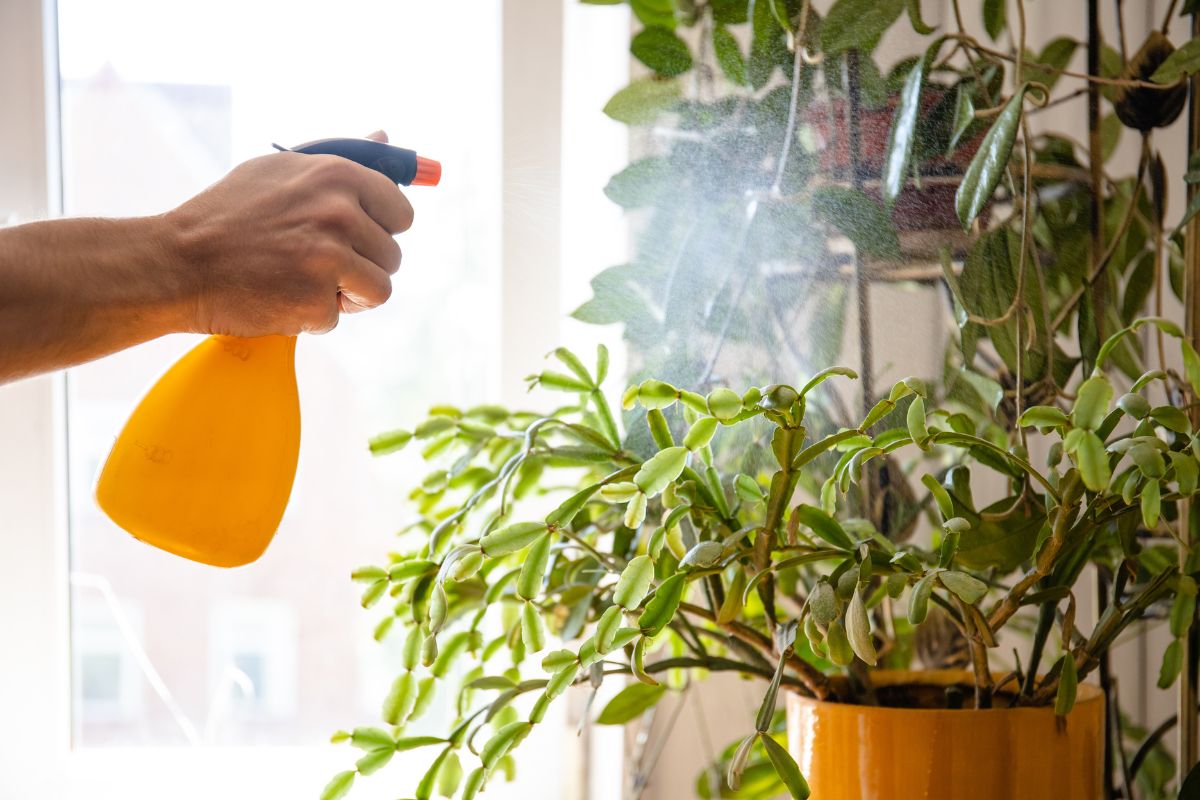
Dealing with a sudden insect infestation can feel incredibly overwhelming for any plant parent. Fortunately, a simple soapy water spray can quickly bring the population back under control.
What they look like: Aphids are tiny, pear-shaped insects that cluster on new growth. Spider mites look like tiny moving dots and leave fine webbing on the stems. Thrips are slender, dark insects that leave silvery patches on leaves.
What they do: These pests pierce the plant’s tissue and suck out the vital sap. This causes the leaves to curl, yellow, and drop off prematurely.
What causes them: Pests are often introduced by new plants, dry indoor air, or poor air circulation around your plant shelves.
How to get rid of them:
- Mix 1 teaspoon of mild liquid soap with 1 quart of lukewarm water in a clean spray bottle.
- Shake the bottle gently to thoroughly mix the solution without creating too much foam.
- Spray the infested plant thoroughly, paying close attention to the undersides of the leaves where pests hide.
- Leave the soapy mixture on the plant for 2 hours to do its job.
- Rinse the plant completely with fresh, clean water to remove dead bugs and soap residue.
- Repeat this entire process once every 5 to 7 days until the pests are completely gone.
2. Washing Dusty Houseplant Leaves
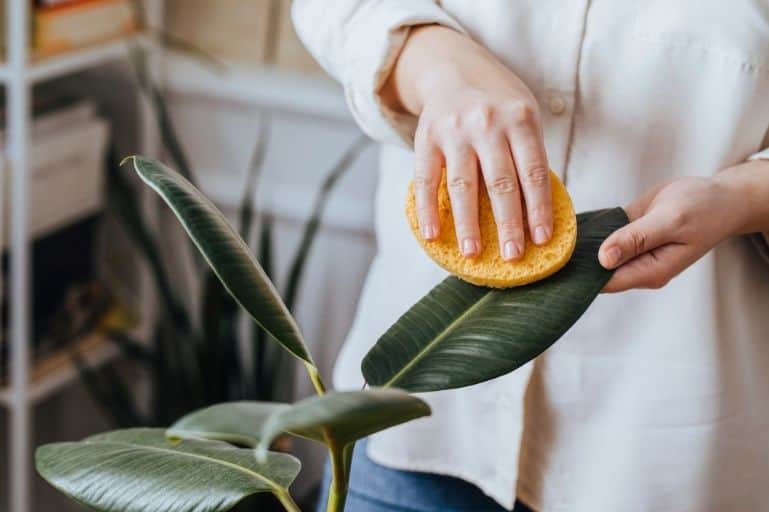
Over time, indoor dust settles on your houseplant leaves, creating a thick barrier that blocks out vital sunlight. This dust layer can severely slow down your plant’s growth.
What it looks like: A dull, greyish film coating the surface of your large-leafed plants like Monsteras, Fiddle Leaf Figs, and Rubber Trees.
What it does: Dust blocks the stomata (tiny pores) on the leaves, reducing the plant’s ability to breathe and photosynthesise.
What causes it: Normal household dust, pet dander, and static electricity that naturally attracts floating particles to the leaves.
How to wash leaves:
- Fill a small bowl with 1 quart of warm water and add 1/2 teaspoon of mild liquid soap.
- Dip a soft microfiber cloth or a clean sponge into the soapy water.
- Wring out the cloth thoroughly so it is damp but not dripping wet.
- Support the back of each leaf with one hand while gently wiping the dust off the top surface.
- Wipe the leaf a second time with a damp cloth dipped in pure, clean water to rinse.
3. Enhancing Homemade Sprays as a Surfactant (Spreader-Sticker)
If you have ever sprayed water onto a waxy leaf, you know it tends to bead up and roll right off. This makes applying foliar treatments very difficult.
What it looks like: Drops of spray liquid sliding off the leaf surface and pooling on the ground instead of coating the plant.
What it does: Soap acts as a surfactant, which reduces the surface tension of liquids so they spread evenly across the leaf.
Why it works: It allows other natural remedies to stick to the foliage long enough to be absorbed or do their job.
For example, if you are Using Hydrogen Peroxide On Plants: 1 – 1 Uses & Mixing Ratios to treat fungal issues, adding a drop of soap helps the solution coat the leaves evenly.
How to mix a surfactant spray:
- Prepare your primary treatment spray (such as a neem oil or hydrogen peroxide mixture).
- Add 2 to 3 drops of mild liquid soap directly into the finished mixture.
- Shake the bottle well to distribute the soap throughout the liquid.
- Mist the plant evenly until the leaves are coated in a thin, continuous film of liquid.
4. Cleaning Pots, Trays, and Gardening Tools
Reusing plastic pots and clay containers is a fantastic way to save money and reduce waste in your home garden. However, dirty pots can harbor harmful pathogens.
What they look like: White crusty salt deposits on terra cotta, green algae on plastic trays, or dried soil on trowels and pruners.
What they do: These deposits and residues can carry fungal spores, bacteria, and pest eggs from previous seasons.
What causes them: Mineral buildup from tap water, organic matter decay, and improper storage of gardening tools.
This step is absolutely critical before you learn How to Repot a Plant to ensure your plant’s new home is completely sterile.
How to clean gardening gear:
- Scrape away any loose dry soil and roots from the pots or tools.
- Fill a large bucket or sink with hot water and add 1 tablespoon of dish soap.
- Submerge the pots and tools, allowing them to soak for 1 – 0 to 1 – 5 minutes.
- Scrub the surfaces thoroughly with a stiff brush to remove stubborn mineral crusts.
- Rinse everything completely with clean water and let them dry in direct sunlight.
5. Soil Drench for Hard-to-Wet Peat Moss (Wetting Agent)
Have you ever poured water onto a dry potted plant, only to watch the water run straight down the sides of the pot and out the bottom? This is called hydrophobic soil.
What it looks like: Dry, compacted soil that pulls away from the edges of the pot and repels water completely.
What it does: It prevents water from reaching the plant’s root system, leading to severe dehydration even after watering.
What causes it: Peat moss and organic potting mixes naturally become water-repellent when they are allowed to dry out completely.
How to fix dry soil:
- Mix 1/4 teaspoon of mild dish soap into 1 gallon of warm water.
- Pour the soapy water slowly over the dry soil surface, letting it pool slightly.
- Allow the pot to sit in the draining water for 1 – 5 minutes to absorb moisture from below.
- Flush the soil thoroughly with plain, clean water until it runs clear out the bottom.
6. Spot-Treating Scale and Mealybugs
Scale insects and mealybugs protect themselves under tough, waxy shells or cottony nests. A general spray often rolls right off them without doing any damage.
What they look like: Mealybugs look like tiny, white, cottony tufts in stem joints. Scale insects look like small, hard brown bumps on branches.
What they do: They suck the sap from stems and leaves, weakening the plant and secreting a sticky residue called honeydew.
What causes them: These pests are often brought in on new plants or carried indoors by ants looking to farm their sweet honeydew.
How to spot-treat pests:
- Mix 1/2 teaspoon of mild dish soap with 1/2 cup of warm water in a small cup.
- Dip a clean cotton swab or cotton ball directly into the soapy solution.
- Press the wet swab firmly against individual scale insects or mealybug clusters.
- Gently rub the pests away from the stems and leaves of the plant.
- Wipe the treated areas with a clean, damp cloth to remove any residual soap.
7. Deterring Outdoor Digging Pests (Scent Barrier)

Outdoor garden beds are constantly under threat from digging pests like squirrels, rabbits, and stray cats. These animals rely heavily on their sense of smell.
What they look like: Dug-up soil, disturbed mulch, chewed stems, or animal tracks around your prized vegetable beds.
What they do: Animals dig up delicate root systems, eat young seedlings, and use garden soil as a litter box.
What causes them: Curious local wildlife looking for buried nuts, soft soil to dig in, or fresh green leaves to snack on.
Gardeners often combine this with other strong-smelling household remedies, like Using Vinegar On Plants, to create a powerful boundary around their garden beds.
How to apply a scent barrier:
- Mix 1 tablespoon of highly fragrant liquid soap with 1 gallon of warm water.
- Pour the mixture into a large watering can or garden pressure sprayer.
- Spray the soil surface around the perimeter of your garden beds and pots.
- Reapply the soapy barrier every 3 to 4 days or immediately after a heavy rain.
Quick Reference Table
| Use | Recommended Ratio | Target Problem | Safety Level |
|---|---|---|---|
| Pest Control | 1 tsp soap per 1 quart water | Aphids, spider mites, thrips | Safe (rinse after 2 hours) |
| Leaf Washing | 1/2 tsp soap per 1 quart water | Dust and grime buildup | Very Safe |
| Surfactant | 2-3 drops soap per 1 quart spray | Liquid runoff on waxy leaves | Safe |
| Tool Cleaning | 1 tbsp soap per 1 gallon water | Pathogens and dirt on tools | Extremely Safe |
| Soil Wetting | 1/4 tsp soap per 1 gallon water | Hydrophobic peat moss soil | Safe (use sparingly) |
| Spot Treatment | 1/2 tsp soap per 1/2 cup water | Scale and mealybugs | Safe (target pests only) |
| Scent Barrier | 1 tbsp soap per 1 gallon water | Digging outdoor pests | Safe for soil perimeter |
Universal Tips for Safe Soap Use on Plants
- Always perform a patch test first. Spray a single leaf and wait 2 – 4 to 4 – 8 hours to check for signs of spotting, yellowing, or burning before treating the entire plant.
- Never spray in direct sunlight. Apply soapy mixtures in the early morning or late evening when the sun is low to prevent the wet leaves from scorching.
- Avoid water-stressed plants. Do not apply soap sprays to plants that are already wilting, dry, or suffering from extreme heat stress.
- Skip fuzzy-leafed plants. Avoid using soapy water on plants with textured or velvety leaves, such as African violets, as they trap moisture and rot easily.
- Use pure neem oil for long-term protection. While soap is a great quick fix, a natural solution like cold-pressed neem oil mixed with water provides a lasting barrier against future pests.
The Bottom Line
Using dish soap in your garden is a fantastic, budget-friendly way to tackle sudden pest outbreaks and keep your houseplants looking their absolute best. By sticking to mild, additive-free soaps and highly diluted ratios, you can safely harness its cleaning and insecticidal properties.
Remember that less is always more when it comes to applying household products to living foliage. Regular rinsing, proper timing, and careful observation will protect your plants from accidental chemical damage.
The single most important takeaway is this: always use a highly diluted ratio of one teaspoon of mild soap per quart of water, and always rinse the leaves with fresh water afterward to keep your plants healthy and thriving.
Related Posts:
- Using Hydrogen Peroxide On Plants: 1 – 1 Uses & Mixing Ratios
- Using Vinegar On Plants: Correct Strength and Mixing Ratios
- Is Simple Green Safe For Plants? Here’s Why Not to Worry
- How to Repot a Plant: Safe & Easy Method to Keep them Alive
Related Articles
Pepper leaves curling? Learn the 7 most common causes — from underwatering and heat stress to aphids and viral disease — plus step-by-step fixes to help your plants recover fast.
Pepper Leaves Turning Yellow: Why It Happens and How to Fix It
Pepper plant leaves turning yellow? Learn the 7 most common causes — from nitrogen deficiency to overwatering — and get specific, actionable fixes to bring your pepper plants back to health.