
Before you panic, know this: it’s one of the most common orchid complaints I hear, and in most cases, it’s completely fixable.
Orchid flowers fall off when the plant experiences temperature shock, low humidity below 4 – 0%, inconsistent watering, ethylene gas exposure from ripening fruit, or natural bloom cycle completion. Most premature flower drop is fixable by maintaining steady temperatures between 6080°F, misting daily, watering when the top inch of bark dries, and keeping orchids away from fruit bowls and heating vents.
The tricky part is knowing why your flowers are falling. A bloom that drops at the end of a 1 – 0-week cycle is completely normal. A bloom that drops two weeks in is telling you something is wrong. Let’s work through every cause so you know exactly what you’re dealing with.
Why Are My Orchid Flowers Falling Off?
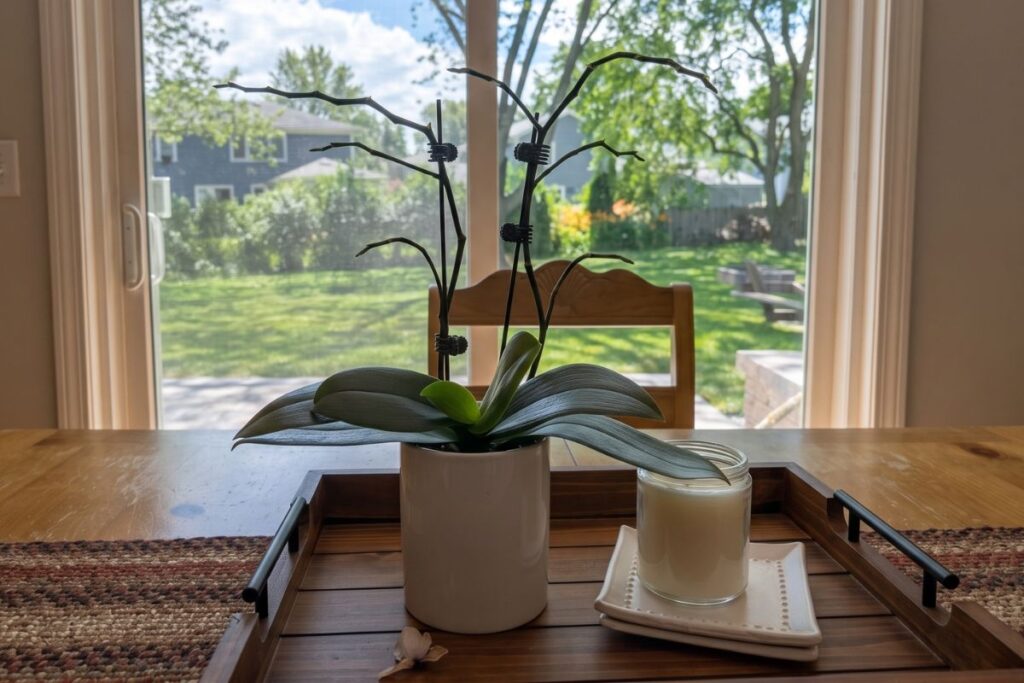
Orchids are dramatic communicators. When something in their environment is off even slightly they respond by dropping blooms first. Think of it as the plant conserving energy.
There are seven main reasons this happens, and most of them overlap. Here’s how to read what your plant is telling you.
Temperature Shock

This is the number-one cause of premature bloom drop, and it catches people off guard because the damage isn’t always instant.
Orchids prefer a consistent temperature range of 6080°F (1527°C). When they’re exposed to cold drafts from an air conditioner, a cracked window in winter, or even a sudden warm blast from a heating vent, the plant interprets this as a threat and starts shedding flowers.
The telltale sign: blooms drop suddenly and all at once, often after you’ve moved the plant or the weather has changed. Check where your orchid is sitting is it near an exterior wall, a vent, or a drafty window?
Low Humidity

Most orchids are tropical natives. They evolved in environments with 5070% relative humidity. The average home hovers around 3040% and in winter with the heating running, it can drop even lower.
When humidity falls below 4 – 0%, orchid buds dry out before they fully open, and open flowers begin to wither and drop ahead of schedule.
How to identify it:
The flower edges look slightly papery or shriveled before they fall. Buds may never open at all this is called bud blast, and it’s closely linked to humidity issues.
Inconsistent Watering
Both overwatering and underwatering cause bloom drop, but for different reasons.
Underwatering deprives the plant of the moisture it needs to maintain open flowers. Overwatering leads to root rot, which cuts off the plant’s ability to absorb water and nutrients so the flowers are starved even if the pot feels wet.
The golden rule for Phalaenopsis orchids: water when the top inch of bark or growing medium feels dry. That usually works out to every 710 days in most homes. For more on choosing the right growing medium, check out this guide to orchid potting mix the medium you use directly affects how quickly roots dry between waterings.
Ethylene Gas from Ripening Fruit
This one surprises most people. Ripening fruit especially bananas, apples, and pears releases ethylene gas as part of their natural ripening process. Even at low concentrations, ethylene gas triggers premature aging and drop in orchid flowers.
If your orchid is in the kitchen or dining area anywhere near a fruit bowl, this could be your culprit. It’s a sneaky cause because everything else about the plant’s care can be perfect.
Move the orchid away from the fruit bowl, and keep it out of the kitchen if you store fruit on the counter. You’ll likely see the remaining buds open normally within a few days.
This kind of environmental stress pattern shows up across many flowering plants if you’ve seen a similar problem with flowers dropping from plants in your garden, the underlying mechanism is often the same: environmental triggers causing the plant to shed reproductive structures early.
Natural End of the Bloom Cycle
Not all flower drop is a problem. Phalaenopsis orchids typically bloom for 812 weeks. After that, flowers naturally fade and fall starting from the base of the spike and working toward the tip.
How to tell it’s natural:
The flowers have been open for several weeks. They fade gradually rather than dropping all at once. The plant otherwise looks healthy green leaves, firm roots, no yellowing.
If this is what’s happening, congratulations: you got a full bloom cycle out of your orchid. The next step is encouraging a rebloom, which I’ll cover below.
Root Problems

Damaged or rotted roots can’t deliver water and nutrients to the flowers, even when you’re watering consistently. The result looks like drought stress from the outside drooping, then dropping blooms.
Healthy orchid roots are white to silvery-green and slightly firm. Rotted roots are brown, mushy, and may smell faintly sour. If you suspect root problems, gently slide the plant out of its pot and inspect.
Trimming away rotted roots with sterilized scissors, then treating the remaining healthy roots with a hydrogen peroxide solution is one of my go-to fixes. A diluted mix of 3% hydrogen peroxide and water helps eliminate rot-causing bacteria without harming healthy tissue it’s a surprisingly effective first-aid treatment for struggling orchid roots.
Pests

Spider mites, scale, and mealybugs feed on orchid tissue and can cause flower drop, particularly when the infestation is on the stem or near buds.
Check the undersides of leaves and along the flower spike for tiny dots (mites), cottony white clusters (mealybugs), or brown bumps (scale). A badly infested plant will often drop its flowers as a stress response even before the pests are visually obvious on the blooms themselves.
When multiple symptoms appear together dropping flowers, yellowing leaves, and visible insects treat the pest infestation first. Everything else follows from that.
How to Stop Orchid Flowers from Falling Off
Once you’ve identified the cause, here’s how to fix it.
Stabilize the Temperature
Move your orchid away from drafts and vents:
Find a spot that holds a steady 6575°F throughout the day. East- or west-facing windowsills are usually ideal bright indirect light, no direct afternoon sun baking the plant. Avoid exterior walls in winter unless the window is well insulated.
Raise the Humidity
Place the pot on a pebble tray filled with water:
As the water evaporates, it creates a humidity microclimate around the plant. The pot should sit above the waterline not in it to prevent root rot.
Alternatively, group plants together to create natural humidity sharing, or run a small humidifier nearby. Target 5060% relative humidity if you can measure it.
I keep a small humidifier running near my orchids during winter months when the heating is on it’s made a noticeable difference in keeping buds from dropping prematurely.
I have found that the Geniani portable humidifier from Amazon provides the ideal environmental humidity for healthy plant growth. It’s cost-effective and provides the environment that plants love.

Misting the leaves (not the flowers directly) in the morning can help, though it’s less consistent than a pebble tray.
Fix Your Watering Routine
Check the medium before you water:
Push your finger an inch into the bark. If it’s still moist, wait. If it feels dry and the pot feels light when you lift it, water thoroughly let water run through the drainage holes completely, then let it drain fully before setting it back down.
Never let your orchid sit in standing water. The combination of wet roots and poor airflow is the fastest route to root rot.
Move It Away from Ethylene Sources
Relocate the plant to a room without ripening fruit:
A bedroom, living room, or bathroom windowsill is usually safe. Even leaving the orchid in the same room but across the space from the fruit bowl may not be enough ethylene diffuses widely.
Also worth checking: is the orchid near other plants that are decomposing? Rotting leaves and stems from neighboring plants also release ethylene.
Treat Root Rot
Remove the orchid from its pot and inspect the roots:
Trim any brown, mushy roots back to healthy tissue using clean scissors. Allow the trimmed roots to air-dry for a few hours before repotting in fresh bark medium.
A diluted hydrogen peroxide rinse (1 part 3% H‚‚O‚‚ to 4 parts water) applied to the root zone can help kill off remaining bacteria and give the plant a fresh start. When you’re repotting, it’s also worth revisiting the orchid potting mix you’re using old, broken-down bark compacts and holds too much moisture, which makes root rot more likely.
Unexpected dropping of plant parts is often a root-level problem working its way upward the same logic applies to plant leaves falling off when root health is compromised.
Quick Reference Diagnosis Table
| Cause | Visual Pattern | Solution |
|---|---|---|
| Temperature shock | Sudden drop, all at once | Move away from vents and drafts |
| Low humidity | Papery edges, bud blast | Pebble tray, humidifier, grouping |
| Inconsistent watering | Wilting before drop | Water when top inch of bark is dry |
| Ethylene gas | Rapid drop near fruit | Move away from fruit bowl |
| Natural bloom cycle | Gradual fade from base | Normal encourage rebloom |
| Root rot | Drooping despite watering | Trim roots, repot, H‚‚O‚‚ rinse |
| Pests | Spots, webbing, cottony growth | Treat infestation directly |
How to Encourage Reblooming After Flowers Drop
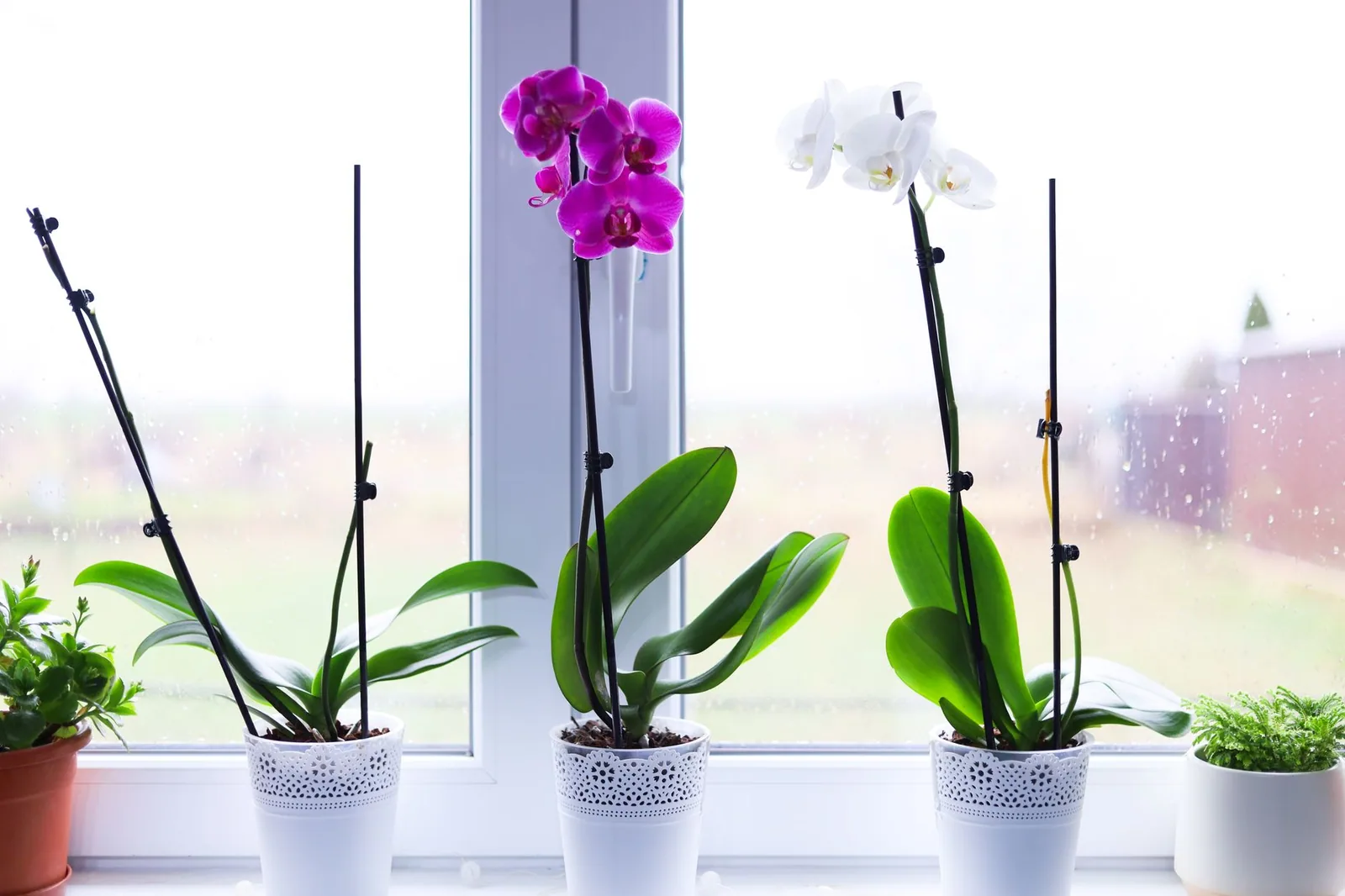
Once the bloom cycle ends or once you’ve fixed the underlying problem you can encourage a new spike.
After all the flowers have dropped, leave the spike intact for now. If you see a node along the spike turn green and swell, you may get a secondary spike from that node. This is common in Phalaenopsis.
If the spike begins to yellow and dry out, trim it back to about an inch above the base. Shift the plant to a location with slightly cooler nights (around 5560°F) for 4 – 6 weeks this temperature drop triggers reblooming in most Phalaenopsis orchids.
Continue regular watering and resume a balanced orchid fertilizer (look for a 2 – 0-2 – 0-2 – 0 NPK or an orchid-specific formula) at quarter-strength every two weeks during the growing period.
When to Worry
Most orchid flower drop is manageable, but there are times when it signals something more serious.
If your orchid is dropping flowers and showing yellowing or mushy leaves, darkened or soft pseudobulbs, or a foul smell from the pot, the root system may be severely compromised. At that point, aggressive intervention full repot, root trimming, and potentially isolating the plant is warranted.
If you’ve corrected every environmental factor and the plant still can’t hold its blooms for more than a week or two across multiple bloom cycles, it may be worth considering whether the plant is getting enough light. Orchids need bright indirect light for at least 6 hours a day to bloom and hold flowers well. A grow light can bridge the gap in darker rooms.
Frequently Asked Questions
Is it normal for orchid flowers to fall off one by one?
Yes, if it’s happening gradually over several weeks starting from the base of the spike. That’s the natural bloom cycle ending. If multiple flowers fall at once early in the bloom, that’s premature drop and worth investigating.
Can orchids rebloom after all the flowers fall off?
Absolutely. With the right care consistent watering, a cooler nighttime temperature for a few weeks, and proper fertilizing most Phalaenopsis orchids will produce a new flower spike within 3 – 6 months.
How long should orchid flowers last?
Individual Phalaenopsis flowers typically last 610 weeks. A full spike can stay in bloom for 2 – 4 months under good conditions.
Should I cut the spike after flowers fall off?
Wait and watch first. If a node on the spike turns green, leave it you may get another round of blooms. If the spike yellows completely, trim it back to about an inch from the base.
Does misting help prevent orchid flowers from falling?
Misting helps raise humidity slightly, but it’s less reliable than a pebble tray. Avoid misting directly onto open flowers the moisture can cause spotting and accelerate petal drop.
The Bottom Line
Orchid flowers falling off before their time almost always comes down to one of a handful of environmental stressors temperature swings, low humidity, inconsistent watering, ethylene gas, or root problems. The good news is that every single one of those causes is correctable once you know what you’re looking at.
Start by checking the basics: where is the plant sitting, how are you watering, and what’s nearby. Nine times out of ten, making one or two adjustments is enough to stabilize the remaining buds and set the plant up for a healthy rebloom cycle.
The most important thing you can do for an orchid is give it consistency steady temperature, steady humidity, and a watering routine you actually stick to.
Related Posts
- Hydrogen Peroxide for Plants: Uses and Mixing Ratios
- Best Potting Soil for Orchids
- Tomato Flowers Falling Off: Causes and Fixes
- Plant Leaves Falling Off: What It Means and What to Do
- Tomato Leaves Falling Off: Diagnosing Plant Stress
Related Articles
Pepper leaves curling? Learn the 7 most common causes — from underwatering and heat stress to aphids and viral disease — plus step-by-step fixes to help your plants recover fast.
Pepper Leaves Turning Yellow: Why It Happens and How to Fix It
Pepper plant leaves turning yellow? Learn the 7 most common causes — from nitrogen deficiency to overwatering — and get specific, actionable fixes to bring your pepper plants back to health.