
You walk over to check on your favourite houseplant and notice a pile of leaves on the shelf beneath it. Or maybe you’ve watched it slowly drop leaf after leaf over the past few weeks, unsure of what’s going wrong.
It’s frustrating and it feels urgent, especially when the plant looked fine just days ago.
Plant leaves fall off due to overwatering, underwatering, temperature stress, low humidity, pest infestations, insufficient light, or nutrient deficiency. The 7 most common causes include root rot from soggy soil, shock from sudden temperature changes, spider mite damage, and poor soil nutrition each with straightforward fixes you can start today. Most cases of leaf drop are completely reversible once you identify the root cause.
The key is figuring out which cause you’re dealing with before you start treating. Jumping straight to a fix without diagnosing the problem often makes things worse.
The sections below walk through each cause with clear symptoms and step-by-step solutions.
Why Plant Leaves Fall Off
1. Overwatering and Root Rot
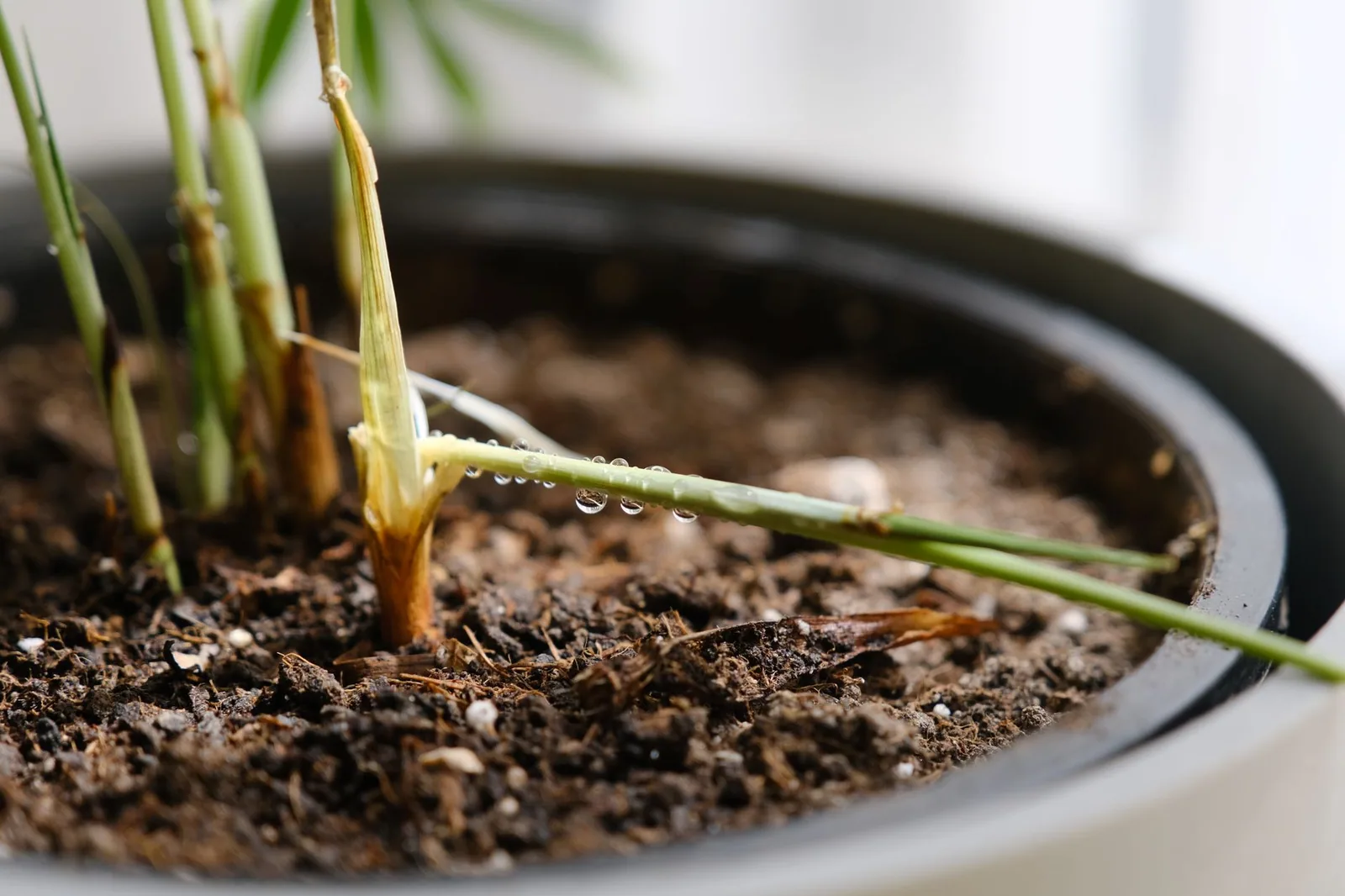
Overwatering is the number one reason houseplant leaves fall off. When soil stays wet for too long, roots can’t breathe they begin to rot, and the plant can no longer absorb water or nutrients.
What it looks like: Leaves turn yellow, feel soft or mushy, and drop easily sometimes while still green. The soil smells sour or earthy in a bad way. The base of the stem may feel spongy.
What causes it: Watering on a fixed schedule rather than checking soil moisture, pots without drainage holes, or heavy potting mix that holds too much water.
How to fix it: Repot into fresh, well-draining soil and trim any black or mushy roots. Then adjust your watering habits.
I use a 3-in-1 soil moisture meter from Amazon it takes the guesswork out of watering and helps prevent both overwatering and underwatering issues. Worth every penny if you’ve killed a plant this way before.
How to treat root rot and overwatering:
- Remove the plant from its pot and brush away the wet soil.
- Trim all black, brown, or mushy roots with sterile scissors.
- Let the roots air-dry for 3060 minutes before repotting.
- Repot in fresh, well-draining mix (add 2030% perlite if needed).
- Water only when the top 2 inches of soil are dry.
- Apply a diluted hydrogen peroxide for plants solution (1 part 3% H‚‚O‚‚ to 4 parts water) to the soil to kill remaining rot bacteria and oxygenate roots.
2. Underwatering and Drought Stress
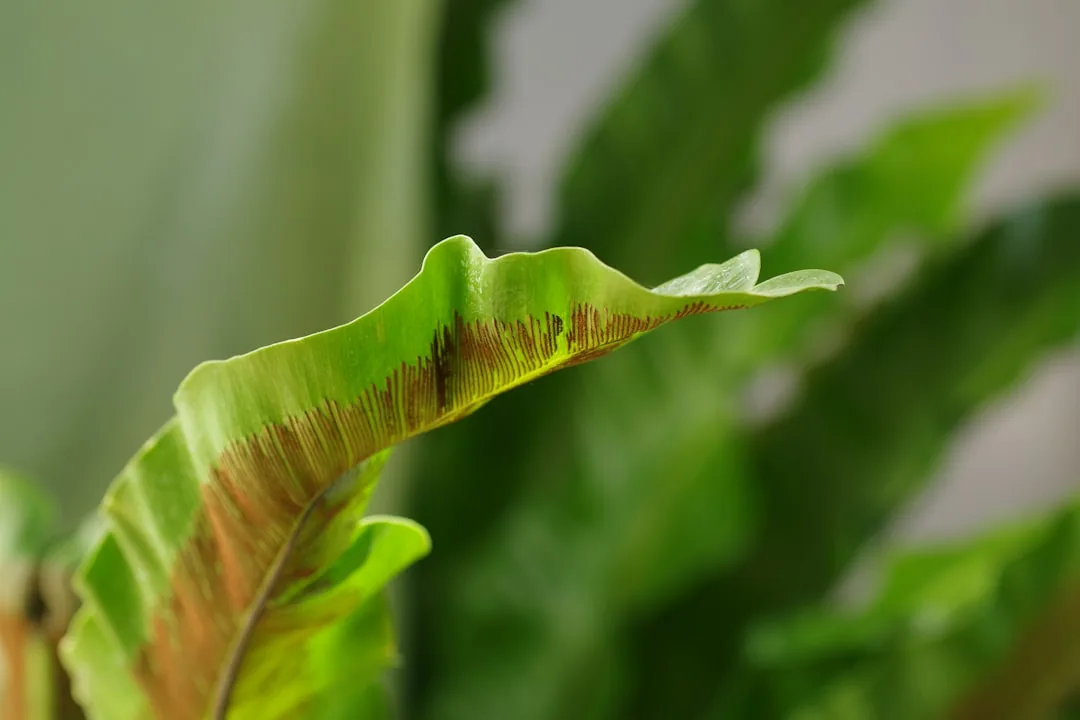
Underwatering is just as damaging as overwatering it just looks different. When a plant doesn’t get enough water, it sheds leaves to conserve energy and reduce moisture loss.
What it looks like: Leaves go dry and crispy at the edges, curl inward, and drop often starting with the lower leaves first. The soil pulls away from the sides of the pot and feels bone dry several inches down.
What causes it: Infrequent watering, hot or dry indoor environments, or fast-draining soil that doesn’t hold moisture long enough between waterings.
How to fix underwatering:
- Water the plant slowly and thoroughly until water drains freely from the bottom.
- If the soil has become hydrophobic (water runs straight through), soak the entire pot in a bucket of water for 2030 minutes.
- Allow the soil to drain fully, then return the pot to its spot.
- Check soil moisture every 2 – 3 days going forward and water when the top inch feels dry.
- Add a layer of mulch or moss on top of the soil to slow moisture evaporation.
3. Temperature Shock and Cold Drafts
Plants are sensitive to sudden temperature changes. A cold draft from a window, a blast of hot air from a heating vent, or moving a plant from a warm room to a cold one can all trigger sudden leaf drop.
What it looks like: Leaves drop quickly and seemingly without warning often overnight. The dropped leaves may still look healthy, or they may have brown patches where cold air hit them directly.
What causes it: Placement near air conditioning vents, radiators, drafty windows, or exterior doors. Moving plants outdoors in spring or indoors in autumn too abruptly.
How to fix temperature shock:
- Move the plant away from any vents, radiators, or drafty windows immediately.
- Keep houseplants in a spot where temperatures stay between 6080°F (1527°C).
- Avoid placing plants within 1 – 2 inches of heating or cooling vents.
- When transitioning plants between indoors and outdoors, acclimatise them gradually over 710 days.
- If cold damage has occurred, remove any blackened or damaged leaves and wait 2 – 4 weeks for new growth before assessing recovery.
4. Low Humidity and Dry Indoor Air
Many popular houseplants especially tropicals like ferns, calatheas, and peace lilies evolved in humid environments. Dry indoor air, particularly in winter when heating systems run constantly, causes leaves to dry out and drop.
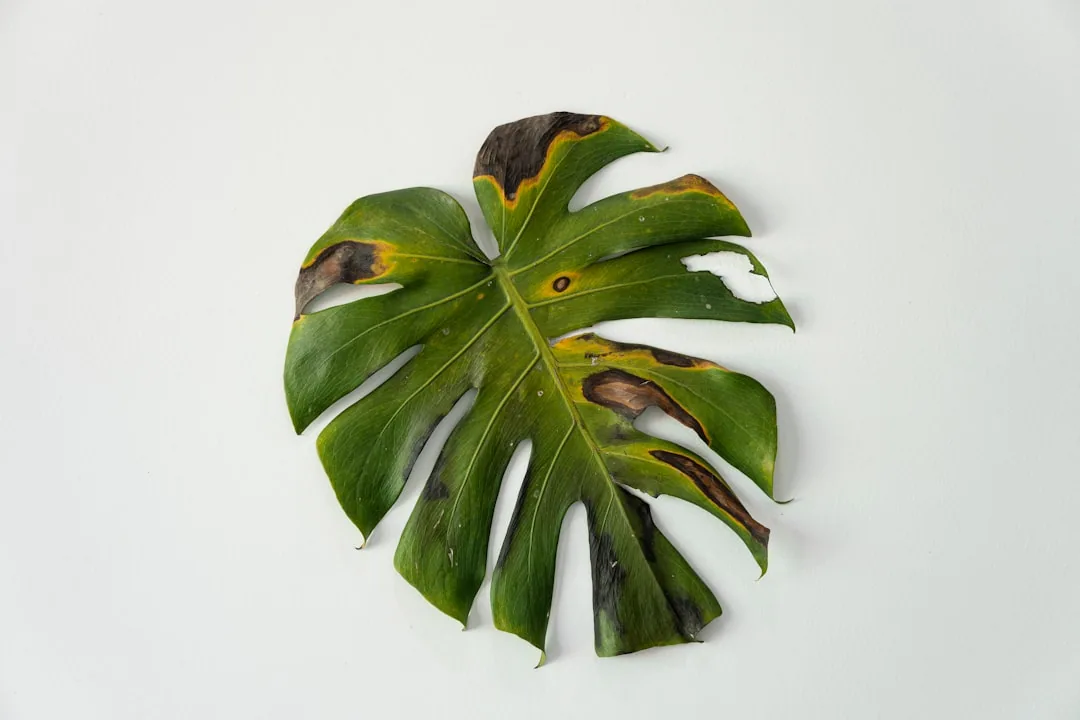
What it looks like: Leaf tips and edges turn brown and crispy first. The plant may look otherwise healthy, but leaves gradually yellow and fall. The problem is often worse near heat sources.
What causes it: Indoor humidity below 4 – 0%, forced-air heating systems, dry climates, or placing humidity-loving plants in naturally dry rooms like bedrooms or offices.
How to raise humidity around your plant:
- Group plants together they create a shared humid microclimate through transpiration.
- Place a pebble tray filled with water beneath the pot (keep the pot above the waterline).
- Run a small humidifier within 3 – 4 feet of the plant, targeting 5060% relative humidity.
- Mist leaves lightly in the morning 3 – 4 times per week using room-temperature water.
- Move the plant to a naturally humid room such as a bathroom or kitchen if light levels allow.
5. Spider Mites and Sap-Sucking Pests
Pest infestations are a common but often overlooked cause of leaf drop. Spider mites, fungus gnats, scale, and aphids all feed on plant tissue or roots weakening the plant until it can no longer support its leaves.
What it looks like: Leaves develop yellow speckling, tiny holes, or a dull, washed-out appearance before dropping. You may notice fine webbing on the undersides of leaves (spider mites), sticky plant leaves from honeydew, or visible insects. Leaf drop from pests is often accompanied by plant leaves curling inward as the plant responds to damage.
Pests can also cause visible physical damage to foliage if you notice ragged edges or irregular holes, check out this guide to holes on rose leaves for help identifying the culprit.
What causes them: Dry indoor air (spider mites thrive in low humidity), bringing infected plants indoors, or overwatered soil attracting fungus gnats.
How to treat sap-sucking pests:
- Isolate the affected plant immediately to prevent the infestation from spreading.
- Wipe down all leaves top and underside with a damp cloth to remove visible insects.
- Mix 1 teaspoon of neem oil with 1 teaspoon of mild dish soap in 1 litre of water.
- Spray the entire plant thoroughly, including leaf undersides and soil surface.
- Repeat every 5 – 7 days for 3 – 4 weeks until no new damage appears.
- For spider mites specifically, increase humidity to 6 – 0%+ they cannot survive in moist air.
6. Insufficient Light Exposure
Light is a plant’s energy source. When a plant doesn’t receive enough light, it can’t produce enough energy to maintain all its leaves so it drops the oldest ones to redirect resources to new growth.
What it looks like: Lower leaves yellow and drop first. New growth may be pale, small, or “leggy” (long stems with wide gaps between leaves). You may also notice pale plant leaves across the whole plant as chlorophyll production slows.
What causes it: Placing light-hungry plants in dark corners, seasonal changes in natural light levels, or dirty windows reducing light transmission.
How to fix insufficient light:
- Move the plant to the brightest spot available ideally within 3 – 5 feet of a south- or east-facing window.
- Clean windows with a damp cloth to maximise natural light transmission.
- Rotate the plant 9 – 0° every 1 – 2 weeks so all sides receive even light exposure.
- If natural light is limited, add a grow light positioned 612 inches above the plant for 1214 hours per day.
- Avoid placing plants more than 8 feet from any window in low-light seasons.
7. Nutrient Deficiency and Poor Soil
Plants need a steady supply of nutrients to build and maintain healthy foliage. When the soil is depleted, the plant begins cannibalising older leaves stripping them of nutrients and dropping them.
What it looks like: Older, lower leaves yellow and drop first. Yellowing may follow specific patterns pale between the veins (magnesium deficiency), entirely yellow (nitrogen), or purple-tinged undersides (phosphorus). New growth looks small or distorted.
What causes it: Using the same potting soil for years without refreshing it, never fertilising, or using soil that was poor quality to begin with. This is also a common reason you’ll see tomato leaves falling off in vegetable gardens, where heavy feeders exhaust nutrients quickly.
How to fix nutrient deficiency:
- Flush the soil by watering slowly and thoroughly 2 – 3 times in a row to remove salt buildup from old fertiliser.
- Apply a balanced liquid fertiliser (1 – 0-1 – 0-1 – 0 or 2 – 0-2 – 0-2 – 0) diluted to half strength.
- Feed every 2 – 4 weeks during the growing season (spring through summer).
- Reduce feeding to once every 6 – 8 weeks in autumn and stop entirely in winter.
- If the soil is more than 2 years old, repot into fresh potting mix in spring.
Quick Reference: Plant Leaves Falling Off
| Cause | Key Symptom | Leaves Affected First | Fix |
|---|---|---|---|
| Overwatering / Root Rot | Yellow, soft, mushy leaves | Lower and older leaves | Repot, trim roots, reduce watering |
| Underwatering | Dry, crispy edges, curling | Lower leaves, then all | Deep soak, adjust watering schedule |
| Temperature Shock | Sudden drop, overnight | Any leaves near draft | Move away from vents and windows |
| Low Humidity | Brown tips, crispy edges | Leaf tips and margins | Pebble tray, humidifier, grouping |
| Pest Infestation | Speckling, webbing, stickiness | Scattered, any age | Neem oil spray, isolation |
| Insufficient Light | Yellowing, leggy growth | Lower and oldest leaves | Brighter spot or grow light |
| Nutrient Deficiency | Patterned yellowing | Older, lower leaves | Fertilise, repot in fresh soil |
When Leaf Drop Is Normal
Not every falling leaf is a crisis. Some leaf drop is completely natural and not a sign that anything is wrong.
Deciduous plants drop their leaves seasonally this is expected and healthy. Many tropical houseplants also shed a few lower leaves when first brought home as they adjust to new light and humidity levels.
If your plant is otherwise growing well, producing new leaves, and the drop is limited to a few older leaves at the base, there’s nothing to worry about. Plants routinely shed older foliage to redirect energy toward fresh growth.
That said, even “normal” leaf drop can become a pest entry point if your plant is stressed. I keep cold-pressed neem oil from Amazon on hand for monthly preventative sprays it stops spider mites and other pests before they cause serious leaf drop. A monthly spray during dry winter months is an easy habit that pays off.
How to Prevent Plant Leaves Falling Off
- Water based on soil moisture, not schedule. Check the top 1 – 2 inches of soil before every watering if it’s still moist, wait another day or two.
- Use pots with drainage holes. Standing water at the bottom of a pot is the fastest path to root rot and leaf drop.
- Keep plants away from vents and drafts. Maintain a buffer of at least 1 – 2 inches between your plants and any heating, cooling, or cold air source.
- Maintain indoor humidity above 4 – 0%. Use a pebble tray, humidifier, or grouping strategy especially in winter when indoor air dries out.
- Fertilise through the growing season. Feed with a balanced liquid fertiliser every 2 – 4 weeks from spring through summer to keep soil nutrients from depleting.
- Match light to the plant’s needs. Research the specific light requirements of each plant and position accordingly most leaf drop from light issues is simply a placement problem.
- Inspect plants monthly for pests. Check leaf undersides and stems for webbing, stickiness, or tiny insects. Catching an infestation early prevents the leaf drop that follows heavy damage.
- Apply neem oil as a monthly preventative. Mix 1 teaspoon of neem oil with 1 teaspoon of dish soap in 1 litre of water and spray all leaf surfaces. This deters spider mites, aphids, and scale before they establish.
The Bottom Line
Plant leaves falling off is almost always a signal not a death sentence. Your plant is communicating that something in its environment needs adjusting, and once you identify the cause, recovery is usually straightforward.
Start by checking the most common culprits first: soil moisture, light levels, and temperature. These three factors account for the vast majority of leaf drop in houseplants.
The single most important thing you can do is stop guessing and start observing check the soil, inspect the leaves, and match what you see to the symptoms above. Most plants bounce back quickly once the right fix is in place.
Related Posts:
- Hydrogen Peroxide for Plants
- Tomato Leaves Falling Off
- Plant Leaves Curling
- Pale Plant Leaves
- Watering Plant Leaves
Related Articles
Pepper leaves curling? Learn the 7 most common causes — from underwatering and heat stress to aphids and viral disease — plus step-by-step fixes to help your plants recover fast.
Pepper Leaves Turning Yellow: Why It Happens and How to Fix It
Pepper plant leaves turning yellow? Learn the 7 most common causes — from nitrogen deficiency to overwatering — and get specific, actionable fixes to bring your pepper plants back to health.