
You walk out to your tomato plants, excited to see all those beautiful yellow blooms and then you notice them dropping to the ground before a single fruit has set. It’s one of the most frustrating things that can happen mid-season.
The good news? You’re not alone, and in most cases it’s completely fixable.
Tomato flowers fall off due to temperature stress (nights below 5 – 5°F or days above 9 – 0°F), inconsistent watering, low humidity, poor pollination, or nutrient imbalances. The good news is most causes are fixable with simple adjustments to watering schedules, shade timing, and gentle flower tapping to help pollination your plants will set fruit once conditions stabilize.
I’ve grown tomatoes in containers and raised beds for years, and blossom drop is something I’ve dealt with more than once usually right when I thought the season was going perfectly.
Once you know what’s actually causing the drop, the fix is usually straightforward. Let’s work through each cause so you can get your plants back on track fast.
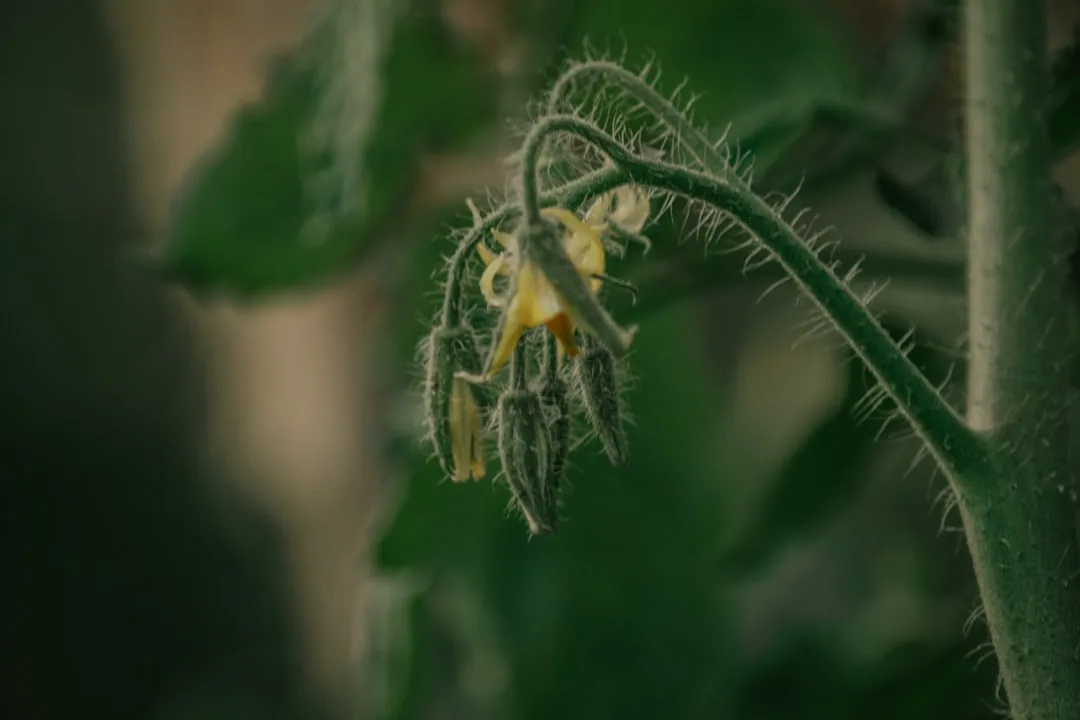
Why Are My Tomato Flowers Falling Off?
Tomato blossom drop is the plant’s way of telling you something in its environment is off. It won’t set fruit under stressful conditions so it sheds the flowers to conserve energy.
The tricky part is that several different problems look exactly the same from the outside. You need to look at the full picture temperatures, watering habits, humidity, and feeding routine to pinpoint the real cause.
Here are the most common culprits.
Temperature Extremes (The #1 Reason)
This is the single most common cause of tomato blossom drop, and it catches a lot of gardeners off guard.
Tomatoes have a narrow temperature window for successful pollination. When nighttime temperatures drop below 5 – 5°F (1 – 3°C), pollen becomes sticky and won’t release properly. When daytime temperatures climb above 9 – 0°F (3 – 2°C), pollen becomes nonviable.
Either extreme triggers flower drop within days. If you’re in a heat wave or had a string of cool nights, that’s almost certainly your answer.
Inconsistent Watering
Tomatoes are surprisingly sensitive to uneven soil moisture. Going from bone-dry to soaking wet and back again stresses the plant enough that it drops flowers to protect itself.
This is especially common with container-grown tomatoes, which dry out much faster than in-ground plants. I use a simple soil moisture meter from Amazon to check before watering it takes the guesswork out of keeping your tomatoes consistently moist without overwatering.
The goal is steady, even moisture not wet, not dry. Think of it like keeping a sponge damp rather than soaked.
Low Humidity
Tomato pollen needs some moisture in the air to travel and stick properly. When humidity drops below about 4 – 0%, pollen grains dry out and fail to fertilize the flower.
This is a common issue in hot, dry climates or during summer dry spells. It’s also why tomatoes in air-conditioned greenhouses or grow tents sometimes struggle.
Poor Pollination
Even in ideal temperatures and humidity, tomatoes still need some help getting pollinated. In the garden, wind and bees typically do this job. But if your plants are in a sheltered spot, a screened porch, or a greenhouse, that natural movement might not be happening.
Poor pollination doesn’t always cause immediate drop sometimes the flower just never sets a fruit and eventually falls. Either way, the fix is the same: give your flowers a gentle shake or tap the main stem daily.
If you’re curious why your plants are flowering before conditions are ideal, this post on tomato plants flowering early is worth a read premature blooming can set up the plant for drop before you even realize it’s happening.
Nutrient Imbalances
Too much nitrogen is a sneaky one. Heavy nitrogen feeding pushes lush, dark-green foliage growth which looks healthy but diverts energy away from flowering and fruit set. The plant prioritizes leaves over reproduction.
On the other side, a deficiency in phosphorus or potassium can also interfere with flower development and pollination.
Check your fertilizer’s NPK ratio. During flowering, you want lower nitrogen and higher phosphorus and potassium something like 5-1 – 0-1 – 0 or 3-9-9 rather than a high-nitrogen formula.
A natural, affordable option I like is banana peel water for tomatoes it’s rich in potassium and a great supplement during flowering. For a broader look at feeding choices, this guide on tomato fertilizer covers NPK needs in more detail.
Pest or Disease Stress
A heavy pest load especially spider mites, aphids, or whiteflies weakens the plant enough to trigger flower drop. The same goes for fungal diseases affecting the stem and leaves.
I keep cold-pressed neem oil from Amazon on hand for prevention a light spray every two weeks during flowering keeps pests away and supports healthy blossom set.
Another product I reach for is diluted hydrogen peroxide it’s surprisingly useful for keeping roots healthy and soil-borne pathogens in check.
This post on hydrogen peroxide for plants walks through exactly how to use it safely around tomatoes.
How to Identify the Cause
Before jumping straight to fixes, spend two minutes doing a quick visual check. It’ll save you a lot of guesswork.
Look at the pattern of drop.
If flowers are dropping all at once after a heat wave or cold snap, temperature is almost certainly the culprit. If the drop is gradual and ongoing, look at watering and nutrients first.
Check the soil.
Push your finger two inches into the soil. Bone dry? You’re underwatering. Soggy after a few days? You may be overwatering or the drainage is poor.
Look at the foliage.
Yellowing lower leaves, curling, or spots point to a nutrient or disease issue. If you’re also seeing leaf problems alongside blossom drop, check this guide on tomato leaves falling off it often goes hand in hand with flower drop when the plant is under serious stress.
Check for pests.
Flip a few leaves and look at the undersides. Tiny moving dots, webbing, or sticky residue are red flags.
Quick Reference Diagnosis Table
| Cause | What You’ll See | Fix |
|---|---|---|
| Temperature extremes | Mass drop during hot days or cool nights | Shade cloth, row covers, wait for weather shift |
| Inconsistent watering | Dry soil alternating with wet | Water on schedule; use a moisture meter |
| Low humidity | Drop during dry spells or indoors | Mist nearby soil; add mulch |
| Poor pollination | No fruit set despite healthy blooms | Shake/tap flowers daily |
| Excess nitrogen | Lush leaves, few flowers | Switch to low-N flowering fertilizer |
| Pest or disease stress | Leaf damage, discoloration, webbing | Neem oil spray; treat root zone |
How to Stop Tomato Flowers From Falling Off
Now that you’ve identified the most likely cause, here are the targeted fixes.
Fix Temperature Stress
For heat: use a 3050% shade cloth over your plants during the hottest part of the day (typically 11am3pm). This alone can bring soil and canopy temperatures down by 510°F.
For cold nights: cover plants with a row cover or frost blanket when temps are forecasted below 5 – 5°F. Remove it in the morning once temperatures rise.
If you’re in a reliably hot climate, consider switching to heat-tolerant varieties like Heatmaster, Solar Fire, or Celebrity for next season.
Fix Inconsistent Watering
Water deeply and consistently aim for about 1 to 1.5 inches of water per week, adjusting for rainfall and container vs. in-ground planting. Container tomatoes may need watering every day in peak summer heat.
Add a 2 – 3 inch layer of mulch around the base of your plants. Straw, wood chips, or shredded leaves all work well. Mulch holds moisture in the soil and dramatically reduces the wet-dry swings that trigger flower drop.
Fix Pollination Problems
Give each flower cluster a gentle shake or use your finger to tap the main stem near the flowers once a day, ideally midday when pollen is most active. An electric toothbrush held near (not on) the flower works surprisingly well for indoor or greenhouse plants.
Plant pollinator-attracting companions nearby basil, marigolds, and borage all draw bees that help with the job.
Fix Nutrient Imbalances
If you’ve been feeding a high-nitrogen fertilizer, stop and switch to a bloom-specific formula with lower nitrogen and higher phosphorus and potassium for the flowering phase.
If you suspect a broader deficiency, a diluted seaweed or fish emulsion fertilizer can quickly supply a broad range of micronutrients. Go easy more fertilizer is rarely the answer.
Fix Low Humidity
If you’re growing outdoors, the easiest fix is to water the soil and mulch more consistently evaporation from moist soil raises the humidity immediately around the plant.
If you’re growing indoors or in a greenhouse, a basic humidifier or a pebble tray with water placed near the plants can make a noticeable difference.
Prevention: Keeping Blossoms on the Plant All Season
The best approach is keeping conditions stable so your tomatoes never hit a stress threshold in the first place.
Mulch heavily from the start.
This is the single easiest thing you can do. A good mulch layer buffers soil temperature, holds moisture, and reduces drought stress all at once.
Water on a schedule.
Don’t wait until the plant looks wilted. Check soil moisture regularly a moisture meter makes this habit easy to maintain without overthinking it.
Feed for the growth stage.
Switch from a high-nitrogen fertilizer to a lower-nitrogen, higher-potassium option once flowers begin to appear. This is one of the most common mistakes home gardeners make.
Monitor temperatures.
Keep an eye on your local forecast. If a heat wave or cold snap is coming, act ahead of time with shade cloth or row covers rather than waiting to see how the plants respond.
Spray preventatively.
A light neem oil spray every two weeks during flowering deters pest pressure before it becomes a problem. This is much easier than treating a full infestation mid-season.
When to Worry
In most cases, some flower drop is normal especially early in the season or when temperatures fluctuate. Tomatoes typically abort their first flush of flowers under stress and then reset when conditions improve.
Worry if:
- Drop is continuous over several weeks with no fruit setting at all
- You see significant leaf loss, yellowing, or wilting alongside the drop
- The plant looks overall weak or stunted despite your fixes
If the problem persists despite correcting temperature, watering, and nutrients, it may be worth checking the roots for rot or examining the soil pH. Tomatoes prefer a pH of 6.2 – 6.8 outside that range, nutrient uptake suffers even if you’re feeding correctly.
Frequently Asked Questions
Will the flowers grow back after falling off?
Yes. Once conditions stabilize, your tomato plant will produce a new flush of flowers. Don’t give up on the plant give it a week or two after making corrections and new blooms should appear.
How many flowers should actually set fruit?
Not all of them and that’s normal. A healthy tomato plant may drop 2030% of its flowers even under good conditions. It’s only a problem when drop is widespread or continuous.
Can overwatering cause flower drop?
Yes. Waterlogged roots become oxygen-deprived and can’t support the plant’s normal functions, which includes holding onto flowers. This is one reason consistent not excessive watering matters.
Do all tomato varieties drop flowers at the same temperature?
No. Heat-tolerant varieties are bred to set fruit at higher temperatures. If you live in a consistently hot climate and experience repeated blossom drop, switching varieties is one of the most effective long-term solutions.
Should I remove dropped flowers from the soil?
Yes clear them away. Spent flowers left on the soil surface can harbor fungal disease and attract pests. It only takes a moment and reduces disease pressure over time.
The Bottom Line
Tomato blossom drop is frustrating, but it’s almost always a signal rather than a death sentence for your crop. Temperature extremes, inconsistent watering, poor pollination, and nutrient imbalances are the four most common causes and all of them can be corrected once you know what you’re dealing with.
Start with your temperatures and watering routine. Those two factors alone account for the vast majority of blossom drop cases I’ve seen in my own garden. Once those are dialed in, the flowers stay on and the fruit follows.
The key is acting quickly and consistently: stabilize conditions, feed for the flowering stage, and give your plants time to recover they will.
Related Posts You Might Like:
- Tomato Leaves Falling Off: Causes and Fixes
- Tomato Leaves Curling: Why It Happens and What to Do
- Tomato Plant Flowering Early: Should You Worry?
- Banana Peel Water for Tomatoes: Does It Really Work?
- Hydrogen Peroxide for Plants: 1 – 1 Uses and Mixing Ratios
Related Articles
Pepper leaves curling? Learn the 7 most common causes — from underwatering and heat stress to aphids and viral disease — plus step-by-step fixes to help your plants recover fast.
Pepper Leaves Turning Yellow: Why It Happens and How to Fix It
Pepper plant leaves turning yellow? Learn the 7 most common causes — from nitrogen deficiency to overwatering — and get specific, actionable fixes to bring your pepper plants back to health.