
You’re watching your tomato plant grow bigger and leafier by the day but not a single flower bud in sight. It’s one of the more frustrating things to deal with in the garden, especially when you can picture those ripe tomatoes and they just aren’t coming.
Tomato plants fail to flower for six main reasons: excessive nitrogen fertilizer promoting leaf growth over blooms, temperatures outside the 5585°F range, insufficient sunlight (less than 6 hours daily), irregular watering causing stress, overcrowding limiting airflow, and immature plants not yet ready to bloom. The good news is each cause has a straightforward fix you can start today.
From my years of growing tomatoes in containers and garden beds, I’ve run into almost every one of these issues at some point usually after proudly watching a plant double in size, only to realize all that green energy was going nowhere useful.
Understanding why your plant isn’t flowering is the first step. Once you pinpoint the cause, the fix is usually simple and fast-acting. Let’s work through each one.
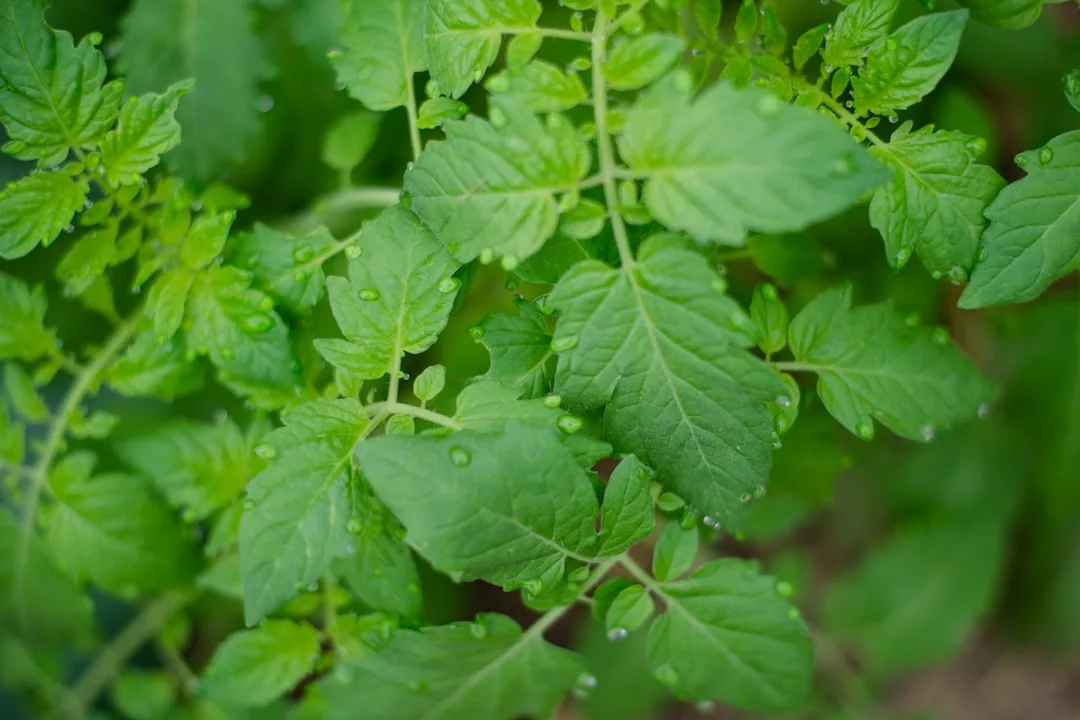
Why Is My Tomato Plant Not Flowering? The 6 Most Common Causes
Before diving into individual fixes, it helps to know that flowering in tomatoes is a response to the right combination of nutrients, light, temperature, and water. When any one of those is off, the plant redirects its energy usually into producing more leaves instead of reproductive growth.
Here’s what to look for.
1. Too Much Nitrogen in the Fertilizer
This is the number one reason tomato plants become lush, green, and flowerless. Nitrogen drives vegetative growth stems and leaves. If your plant is getting too much of it, it has no biological reason to switch into reproductive mode.
The telltale sign is a plant that looks extremely healthy dark green, thick stems, lots of leafy growth but produces zero buds. It’s almost too happy.
How to Fix a Nitrogen Imbalance
Switch to a low-nitrogen, high-phosphorus fertilizer immediately. Phosphorus is what signals a plant to form flowers and fruit. A 5-1 – 0-1 – 0 NPK ratio is ideal for this stage.
I use a low-nitrogen tomato fertilizer from Amazon the 5-1 – 0-1 – 0 ratio shifts energy from leaves to flower production noticeably within a week or two of switching.
If you’ve been heavy-handed with a high-nitrogen fertilizer, hold off completely for two to three weeks, then reintroduce at a balanced or phosphorus-forward ratio.
You can also try a natural boost. Banana peel water for tomatoes is a simple DIY option that delivers potassium and phosphorus without adding more nitrogen to the mix.
For a deeper look at tomato-specific fertilizer ratios and timing, check out this guide to tomato fertilizer.
2. Temperatures Outside the Flowering Range
Tomatoes are picky about temperature. They flower best between 5 – 5°F and 8 – 5°F (1329°C). Outside that window, the plant either stalls or drops buds before they even open.
- Too hot: Above 8590°F, pollen becomes sterile and buds abort. The plant physically can’t set fruit, so it stops trying.
- Too cold: Below 5 – 5°F at night, growth slows and flower development halts entirely.
This is especially common in early spring (nights too cold) and midsummer (days too hot).
How to Fix Temperature Stress
If nights are still cool, wait a few more weeks before expecting blooms, or use a frost cloth at night to keep temperatures stable.
If summer heat is the culprit, shade cloth (3040%) during peak afternoon hours can bring leaf-surface temps down enough to resume flowering. Morning watering also helps cool the root zone.
Note: if temperatures are fine now but were extreme two to three weeks ago, your plant may just need a little more time to recover before buds appear.
3. Not Enough Sunlight

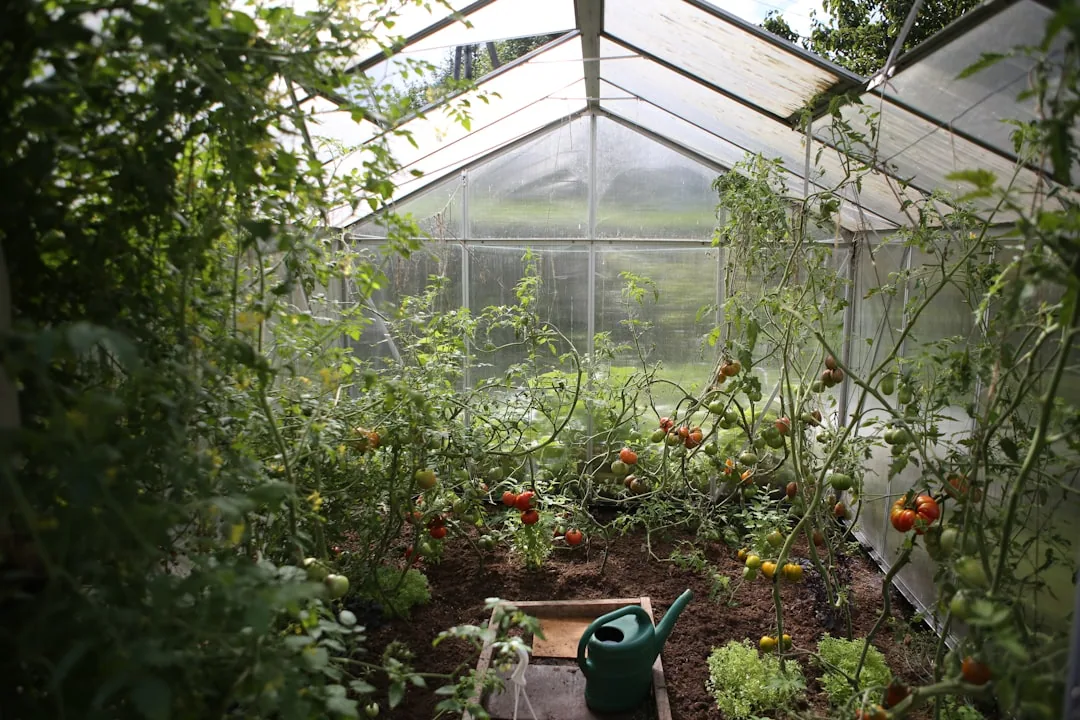
Tomatoes need a minimum of 6 hours of direct sunlight daily and honestly, 8 hours is better for consistent flowering. Less than that, and the plant simply won’t have enough energy to move from vegetative to reproductive growth.
Partial shade from trees, fences, or nearby structures is a common culprit, especially as summer progresses and shadows shift.
How to Fix a Light Problem
If you’re growing in containers, move the plant to the sunniest spot available. Even a few extra hours of direct light per day can make a meaningful difference within a week.
For in-ground plants, prune overhanging branches or nearby plants that may be blocking light. It’s also worth tracking sun patterns across your garden at different times of day a spot that looks sunny in the morning might be shaded by afternoon.
If your growing space genuinely can’t offer 6+ hours of direct sun, a grow light supplement is worth considering for container plants.
4. Irregular or Inconsistent Watering
Tomatoes are sensitive to water stress, and inconsistent watering swinging between too wet and too dry puts the plant in survival mode. When a plant is stressed, flowering is the first thing it sacrifices.
Signs of water stress include wilting in the afternoon even after morning watering, soil that goes bone dry between waterings, or conversely, yellowing lower leaves from chronically soggy soil.
How to Fix Watering Issues
The goal is consistent soil moisture not waterlogged, not bone dry. For most tomatoes in summer, that means deep watering two to three times per week rather than light watering every day.
A simple test: push your finger 2 inches into the soil. If it’s dry at that depth, water deeply. If it’s still moist, wait another day.
Mulching around the base of the plant (2 – 3 inches of straw or wood chips) dramatically reduces moisture loss and evens out soil temperature both of which help with flowering.
One thing I’ve found useful is diluted hydrogen peroxide in the watering routine. At the right concentration, it helps oxygenate compacted soil and supports healthy roots. Take a look at how hydrogen peroxide benefits plants for mixing ratios and best practices.
5. Overcrowding and Poor Airflow
When tomato plants are spaced too closely together or when a single plant becomes excessively bushy without pruning airflow is reduced. Poor airflow raises humidity around the plant, increases the risk of fungal disease, and limits the plant’s access to the light it needs to trigger flowering.
For indeterminate varieties especially, unpruned suckers can divert enormous amounts of energy away from flowering.
How to Fix Overcrowding
Prune suckers regularly. Suckers are the small shoots that grow in the “V” between the main stem and a branch. Removing them refocuses the plant’s energy toward flower and fruit production.
Space tomato plants at least 2436 inches apart for most varieties. If you’ve already planted too close together and can’t move them, aggressive pruning and staking to open up the canopy will help.
You might also notice that overcrowded plants under stress can sometimes push into premature or erratic flowering. If that’s happening, this post on tomato plants flowering too early explains what’s going on and when to be concerned.
6. The Plant Is Simply Too Young
This one surprises a lot of first-time growers. Tomatoes won’t flower until they’re developmentally ready. Depending on the variety, that can take 6 to 8 weeks from transplant sometimes longer if conditions aren’t ideal.
If your plant is young, growing steadily, and looks healthy, patience is often the answer.
How to Tell If It’s Age vs. a Real Problem
- Healthy but young: Consistent growth, no yellowing, good stem structure just no buds yet. Give it more time.
- Stalled and unhealthy: Yellowing leaves, stunted growth, wilting this suggests a care issue rather than age.
Smaller varieties like cherry tomatoes tend to flower earlier than large beefsteak types, so variety matters too.
How to Get Tomato Plants to Flower: A Quick Reference
| Cause | What You’ll See | Fix |
|---|---|---|
| Too much nitrogen | Lush, dark green, no buds | Switch to low-N, high-P fertilizer |
| Temperature stress | Bud drop, stalled growth | Shade cloth, frost cloth, or wait |
| Insufficient light | Leggy, pale, no buds | Move or prune surrounding shade |
| Inconsistent watering | Wilting, then soggy cycles | Deep watering 23x/week + mulch |
| Overcrowding | Bushy, no flowers, disease risk | Prune suckers, increase spacing |
| Plant too young | Healthy but no buds | Wait 6 – 8 weeks from transplant |
Prevention: Keeping Your Tomato Plant on Track All Season
Once your plant starts flowering, the goal is keeping conditions stable so those flowers develop into fruit and don’t fall off before they can set.
Water consistently and fertilize on schedule. Once buds appear, switch to a fertilizer lower in nitrogen and higher in potassium (the K in NPK) to support fruit development.
Watch for pests and fungal issues, both of which can interrupt flowering and cause bud drop.
I use bliss pure neem oil from Amazon for a great price. It works great when it comes to shining leaves and provides a layer of protection for plants against common pests.

If your plant starts flowering but drops blooms before setting fruit, that’s a separate issue worth understanding. Tomato flowers falling off covers the most common causes and what to do about each one.
Frequently Asked Questions
How long does it take for a tomato plant to flower after transplanting?
Most tomato varieties flower 6 – 8 weeks after transplanting outdoors, though some cherry varieties can flower in as few as 4 – 5 weeks. Conditions like light, temperature, and nutrition all affect timing.
Should I prune tomato plants to encourage flowering?
Yes, for indeterminate varieties. Removing suckers redirects energy toward flower and fruit production. For determinate (bush) types, pruning is less critical and can actually reduce yield.
Can I hand-pollinate tomatoes if they won’t set fruit?
Absolutely. If flowers are present but fruit isn’t setting (common during extreme heat when pollen is poor), gently shake the plant or use a small paintbrush to transfer pollen between flowers. An electric toothbrush held near an open flower also works well.
What fertilizer is best for getting tomatoes to flower?
A fertilizer with a low first number (nitrogen) and higher second and third numbers (phosphorus and potassium) such as 5-1 – 0-1 – 0 is best for promoting flowering. Avoid high-nitrogen formulas like 1 – 0-1 – 0-1 – 0 once the plant is established.
Why does my tomato plant have flowers but no fruit?
This is usually a pollination or temperature problem. Tomatoes need bees or manual intervention to transfer pollen, and pollen becomes unviable above 8590°F. Improve airflow, attract pollinators, and consider hand-pollinating during heat waves.
Can tomatoes flower in pots?
Yes container tomatoes flower just as readily as in-ground plants, provided they have enough sunlight, consistent watering, appropriate fertilizer, and a large enough pot (at least 5 gallons for most varieties, 1 – 0+ for large types).
The Bottom Line
A tomato plant not flowering almost always comes down to one of six fixable causes: too much nitrogen, the wrong temperature range, not enough sunlight, inconsistent watering, overcrowding, or simply being too young.
Start by checking the most common culprit first fertilizer and work through the others systematically. Most gardeners find that adjusting just one or two variables gets the buds coming within a couple of weeks.
Once you identify the issue and correct it, a healthy tomato plant will reward you quickly flowering is what it’s built to do, and it will get there with a little help.
Related Posts
- Tomato Leaves Curling: Causes and Fixes
- Tomato Flowers Falling Off: Why It Happens and What to Do
- Banana Peel Water for Tomatoes: Does It Actually Work?
- Bell Pepper Flowering Early: What It Means for Your Harvest
- Hydrogen Peroxide for Plants: Uses and Mixing Ratios
Related Articles
Pepper leaves curling? Learn the 7 most common causes — from underwatering and heat stress to aphids and viral disease — plus step-by-step fixes to help your plants recover fast.
Pepper Leaves Turning Yellow: Why It Happens and How to Fix It
Pepper plant leaves turning yellow? Learn the 7 most common causes — from nitrogen deficiency to overwatering — and get specific, actionable fixes to bring your pepper plants back to health.