
You’re giving your rubber plant what feels like plenty of attention watering it regularly, keeping it indoors, maybe even talking to it a little and then one day you notice it: a leaf that’s gone from deep, glossy green to a dull, sickly yellow.
Rubber plant leaves turn yellow from overwatering, underwatering, low humidity, insufficient light, or nutrient deficiency. The most common culprit by far is overwatering rubber plants need their soil to dry out between waterings. Check soil moisture before watering, move your plant to bright indirect light, and maintain 4060% humidity by misting leaves weekly or running a nearby humidifier.
The tricky part is that several different problems produce the same yellow-leaf symptom you have to read the pattern of yellowing, not just the color.
Let’s walk through each cause, how to spot it, and exactly what to do.
Why Are My Rubber Plant Leaves Turning Yellow?
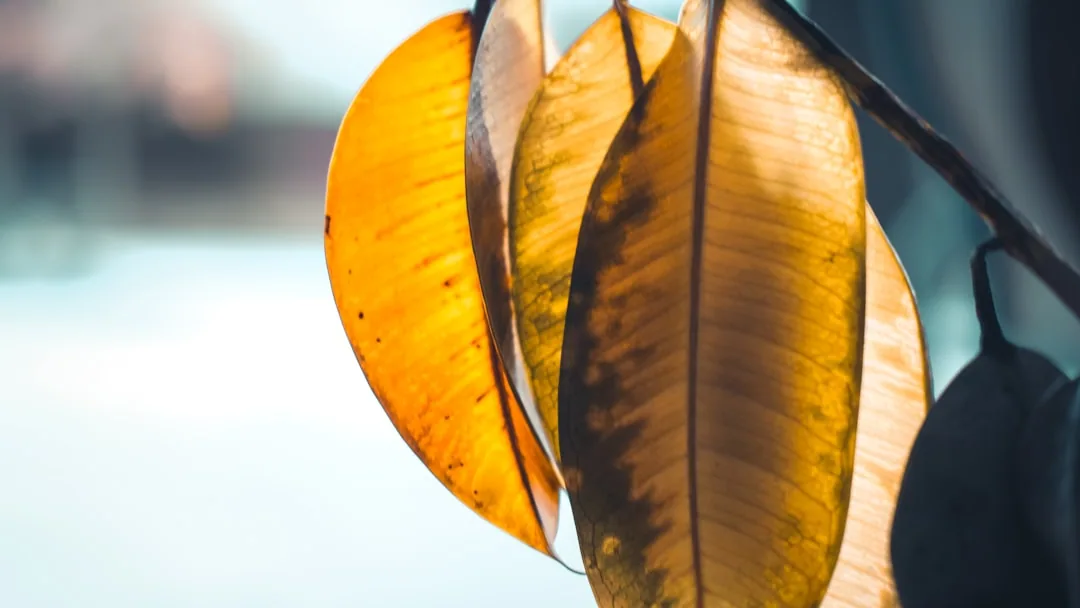
Yellowing rarely happens randomly. Each underlying cause leaves a slightly different visual signature on the leaf where the yellow appears, which leaves are affected first, and what the soil feels like are all clues.
Just like diagnosing other leaf problems, the key is slowing down and looking closely at the pattern before reaching for a fix.
Here’s a breakdown of the most common causes.
Overwatering
Overwatering is the number-one reason rubber plant leaves turn yellow. When soil stays soggy for too long, roots can’t breathe they start to suffocate and eventually rot.
The yellowing typically starts on the lower, older leaves first and the color is often a pale, uniform yellow. The soil will feel wet or muddy even a few days after you last watered. In advanced cases, you may notice a faint musty smell from the pot.
Underwatering
Underwatering causes a different kind of yellow usually more of a dull, slightly crispy yellow, often with brown edges on the same leaf.
The lower leaves are usually affected first here too, but the soil will be bone dry and the plant may also be drooping. If you pick up the pot, it’ll feel noticeably lighter than usual.
Low Light
Rubber plants need bright, indirect light to maintain their deep green color. In low-light conditions, the plant can’t produce enough chlorophyll, and leaves gradually fade to a washed-out, pale yellow especially newer growth near the top.
This kind of yellowing is often described as pale or faded leaves rather than a vivid yellow. The whole plant may also look leggy, with long gaps between leaves as it stretches toward the light source.
Low Humidity
Rubber plants are native to tropical regions of Southeast Asia, where humidity is high. Indoor air especially in winter with central heating running can drop to 2030% humidity, well below the 4060% range rubber plants prefer.
Humidity-related yellowing tends to affect leaf edges and tips first, often alongside some browning or crisping. You may also notice the leaves curling inward a sign the plant is trying to conserve moisture. If your rubber plant is also curling, it’s worth checking our guide on plant leaves curling for more detail.
Nutrient Deficiency

When a rubber plant runs low on nutrients especially nitrogen the older leaves turn yellow while newer growth stays green. This pattern is called chlorosis, and it’s the plant’s way of pulling nutrients from older leaves to support new ones.
Nutrient deficiency is more common in plants that haven’t been repotted in years or have never been fertilized. The yellowing is gradual and spreads from the bottom of the plant upward.
Root Rot
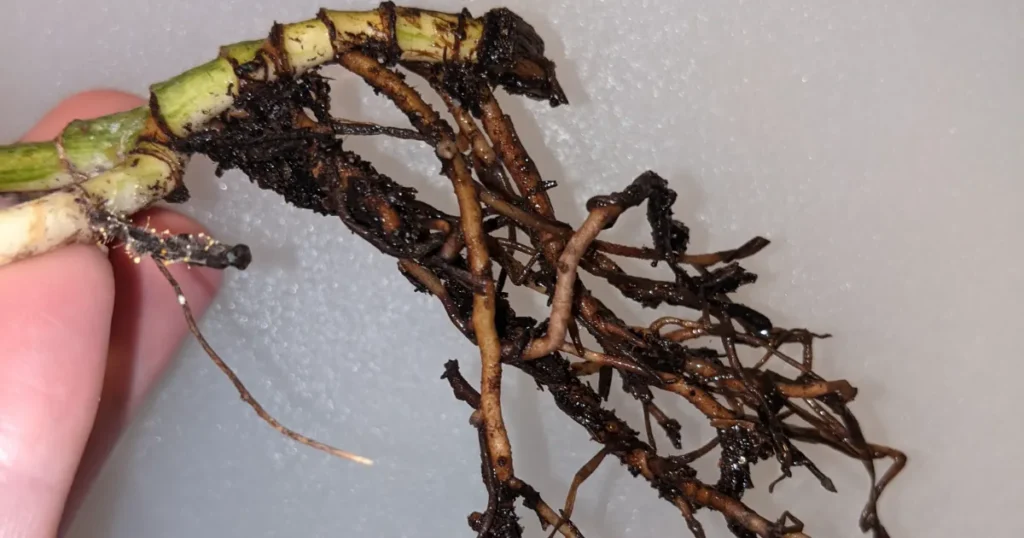
Root rot is the serious end of the overwatering spectrum. When roots have been sitting in wet soil for an extended period, fungal pathogens take hold and the root system begins to decay.
Yellowing is widespread and progresses quickly. Leaves may also drop suddenly. If you unpot the plant, you’ll find roots that are dark brown or black, mushy, and may smell foul healthy roots should be white or light tan and firm.
Natural Leaf Drop
Not every yellow leaf is cause for alarm. Rubber plants naturally shed older leaves as they grow typically the lowest leaves on the stem.
If you’re seeing just one or two leaves yellowing at the very bottom of the plant, the soil moisture is right, and new leaves are emerging at the top, this is simply normal leaf turnover. No action needed.
How to Identify the Cause
Before doing anything, check these three things in order:
Check the soil first:
Stick your finger 2 inches into the soil. Is it wet, moist, or dry? Soggy soil points to overwatering or root rot. Bone-dry soil points to underwatering. Moist but not wet is ideal.
Check the pattern of yellowing:
Lower leaves + wet soil = overwatering. Lower leaves + dry soil = underwatering. Top leaves pale and faded = low light. Edges crispy and curling = low humidity. Bottom leaves yellowing gradually while new growth is fine = nutrient deficiency.
Check the roots:
If you suspect root rot, gently remove the plant from its pot. Healthy roots are white or cream-colored and firm. Rotted roots are dark, slimy, and smell bad.
How to Fix Rubber Plant Yellow Leaves
Reduce Watering
Stop watering immediately:
Allow the soil to dry out fully before watering again. Going forward, only water when the top 2 inches of soil are dry for most rubber plants indoors, that’s roughly every 710 days in summer and every 1421 days in winter.
Improve drainage:
Make sure your pot has drainage holes and you’re not leaving the plant sitting in a saucer of water. If the soil is heavy and retains moisture, repot into a mix of 6 – 0% well-draining potting mix and 4 – 0% perlite.
Water as Needed
Water thoroughly:
Give the plant a deep, slow watering until water flows freely from the drainage holes. Let the excess drain completely, then empty the saucer.
Going forward, check soil moisture every 5 – 7 days rather than watering on a fixed schedule. The plant’s needs change with the season.
Remove Root Rot
Root rot needs immediate action. Here’s what to do:
Unpot the plant:
Remove it from its container and shake off as much old soil as possible.
Trim rotted roots:
Use clean, sterile scissors or pruners to cut away all dark, mushy roots. Cut back to healthy white tissue.
Treat with hydrogen peroxide:
A diluted hydrogen peroxide solution kills remaining fungal pathogens in the root zone without harming healthy tissue. Mix 1 part 3% hydrogen peroxide with 2 parts water and pour it over the exposed roots. This is one of the most effective natural treatments available our full guide on using hydrogen peroxide for plants covers the exact ratios and methods for treating root rot and soil pathogens.
Repot into fresh soil:
Use fresh, well-draining potting mix in a clean pot with drainage holes. Don’t water for 3 – 4 days to let the roots settle.
Provide Light
Move the plant:
Position your rubber plant within 3 – 5 feet of a south- or east-facing window. Bright, indirect light is ideal direct sun can scorch the leaves.
If natural light is limited, a grow light set to run 1214 hours per day works well. Look for a full-spectrum bulb in the 2,5005,000 lux range for indoor foliage plants.
Misting
Mist the leaves weekly:
Use a spray bottle with room-temperature water. Mist in the morning so leaves dry before evening.
Use a pebble tray:
Place a tray filled with pebbles and water beneath the pot (make sure the pot sits above the waterline, not in it). As the water evaporates, it raises humidity around the plant.
Run a humidifier:
During winter, a small humidifier near your rubber plant is the most reliable way to maintain 4060% humidity.
Provide Fertilizer
Start fertilizing:
During the growing season (spring through early fall), feed your rubber plant with a balanced liquid fertilizer look for an NPK ratio around 1 – 0-1 – 0-1 – 0 or 2 – 0-2 – 0-2 – 0. Dilute to half the recommended strength and apply once a month.
Consider repotting:
If the plant hasn’t been repotted in 2+ years, fresh potting mix alone can restore a lot of the nutrients the old soil has been depleted of.
Tip: Don’t fertilize in fall or winter rubber plants go semi-dormant and don’t need feeding. Over-fertilizing when the plant isn’t actively growing can cause salt buildup and additional leaf stress.
Quick Reference Diagnosis Table
| Cause | Visual Pattern | Fix |
|---|---|---|
| Overwatering | Uniform pale yellow, lower leaves first, wet soil | Let soil dry; improve drainage |
| Underwatering | Dull yellow + brown crispy edges, dry soil | Deep water; check moisture more often |
| Low light | Pale, washed-out top leaves; leggy growth | Move to bright indirect light or add grow light |
| Low humidity | Yellow + crispy leaf edges, curling leaves | Mist weekly; pebble tray; humidifier |
| Nutrient deficiency | Lower leaves yellow, new growth green | Fertilize monthly in growing season |
| Root rot | Widespread yellowing, leaf drop, mushy roots | Trim roots; hydrogen peroxide treatment; repot |
| Natural shedding | 1 – 2 bottom leaves only; new growth healthy | No action needed |
Prevention: Keep Rubber Plant Leaves Healthy Long-Term
The single most effective preventive habit is checking soil moisture before every watering not watering on a schedule. Rubber plants are far more tolerant of being slightly dry than slightly wet.
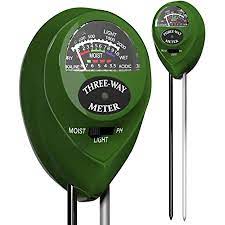
I keep a soil moisture meter on hand for all my potted plants it removes the guesswork about when to water.
Take the guesswork out of watering plants and keeping the soil moist. It is both cost-effective and durable.
Best of all, it also measures pH and light. It’s worth a look.
Beyond moisture management:
- Rotate the plant a quarter turn every 2 – 3 weeks so all sides receive even light exposure.
- Wipe the large leaves with a damp cloth monthly to remove dust, which blocks light absorption.
- Fertilize monthly during the growing season; stop completely in winter.
- Repot every 2 years or when you see roots circling the bottom of the pot.
Yellowing in tropical plants like plumeria often comes down to the same core issues waterlogged roots and low light are the most common offenders across the board.
For pest-related yellowing, keep an eye out for spider mites and scale insects both common on rubber plants. Spider mites leave tiny pale stippling on leaves; scale appears as small brown bumps along stems. A diluted neem oil spray (2 tsp neem oil + 1 tsp dish soap per quart of water) applied every 7 days for 3 weeks handles both effectively.
When to Worry
Most yellowing is fixable, but there are situations that call for more urgency:
- Leaves dropping rapidly (not just yellowing, but falling off) combined with wet soil this is advanced root rot and needs immediate repotting.
- Yellowing spreading to new growth if fresh leaves are coming in yellow rather than green, something is seriously wrong with root function or soil chemistry.
- Wilting despite moist soil root rot has likely progressed enough to impair the plant’s ability to absorb water.
In those cases, follow the root rot treatment outlined above right away.
Frequently Asked Questions
Should I remove yellow leaves from my rubber plant?
Yes once a leaf has turned fully yellow, it won’t recover. Remove it cleanly at the base using clean scissors. This redirects the plant’s energy to healthy growth and reduces the risk of fungal disease.
Can a yellow rubber plant leaf turn green again?
A leaf that’s mostly yellow won’t recover its green color. However, fixing the underlying cause stops further yellowing and new growth will come in healthy and green.
How often should I water a rubber plant?
Water when the top 2 inches of soil are dry roughly every 710 days in summer and every 1421 days in winter. Always check soil moisture rather than following a fixed schedule.
Why is my rubber plant dropping leaves and turning yellow at the same time?
Simultaneous yellowing and leaf drop usually points to root rot or severe overwatering. Unpot the plant, inspect the roots, trim any that are rotted, treat with hydrogen peroxide solution, and repot in fresh well-draining mix.
Can low light cause yellow leaves on a rubber plant?
Yes without sufficient light, the plant can’t produce enough chlorophyll. Move it to within 3 – 5 feet of a bright window or supplement with a grow light.
Is yellowing normal when I first bring a rubber plant home?
Some yellowing after moving a plant is normal it’s called transplant shock. A leaf or two may drop as the plant adjusts to its new environment. If yellowing stops within 2 – 3 weeks and new growth appears, the plant is settling in fine.
The Bottom Line
Rubber plant leaves turning yellow is a common problem, but it’s almost never a death sentence for the plant. The key is reading the pattern of yellowing where it starts, what the soil feels like, and how quickly it’s spreading to pinpoint the real cause.
Start by checking your watering habits. Overwatering is responsible for the majority of yellow-leaf cases, and simply letting the soil dry out between waterings resolves it. From there, assess light, humidity, and nutrients in that order.
With a soil moisture check before every watering, bright indirect light, and monthly fertilizing during the growing season, your rubber plant will stay deep green and healthy for years to come.
Related Posts
- How to Use Hydrogen Peroxide for Plants (Root Rot + More)
- Plant Leaves Curling: Causes and Fixes
- Pale or Faded Plant Leaves: What It Means
- Black Eggs on Leaves: What They Are
- What Causes Sticky Plant Leaves?
Related Articles
Pepper leaves curling? Learn the 7 most common causes — from underwatering and heat stress to aphids and viral disease — plus step-by-step fixes to help your plants recover fast.
Pepper Leaves Turning Yellow: Why It Happens and How to Fix It
Pepper plant leaves turning yellow? Learn the 7 most common causes — from nitrogen deficiency to overwatering — and get specific, actionable fixes to bring your pepper plants back to health.