
Whether you’re working with whole onions or just the dry outer peels, steeping them in water releases a surprising range of compounds that your plants can actually use.
Onion water provides plants with sulfur, antioxidants, and natural pest-deterring compounds that support root health and ward off common garden pests.
The 7 most effective uses include boosting sulfur-deficient plants, deterring aphids and spider mites, strengthening seedling roots, improving soil microbial activity, reducing fungal disease risk, enhancing nutrient uptake in containers, and repelling slugs and snails all using simple kitchen scraps you’d normally throw away. It’s easy to make, costs nothing, and is safe for most edible and ornamental plants.
Before diving into the specific uses, it helps to understand why onion water works. Knowing the science behind it means you’ll use it more confidently and get better results.
Why Onion Water Works for Plants
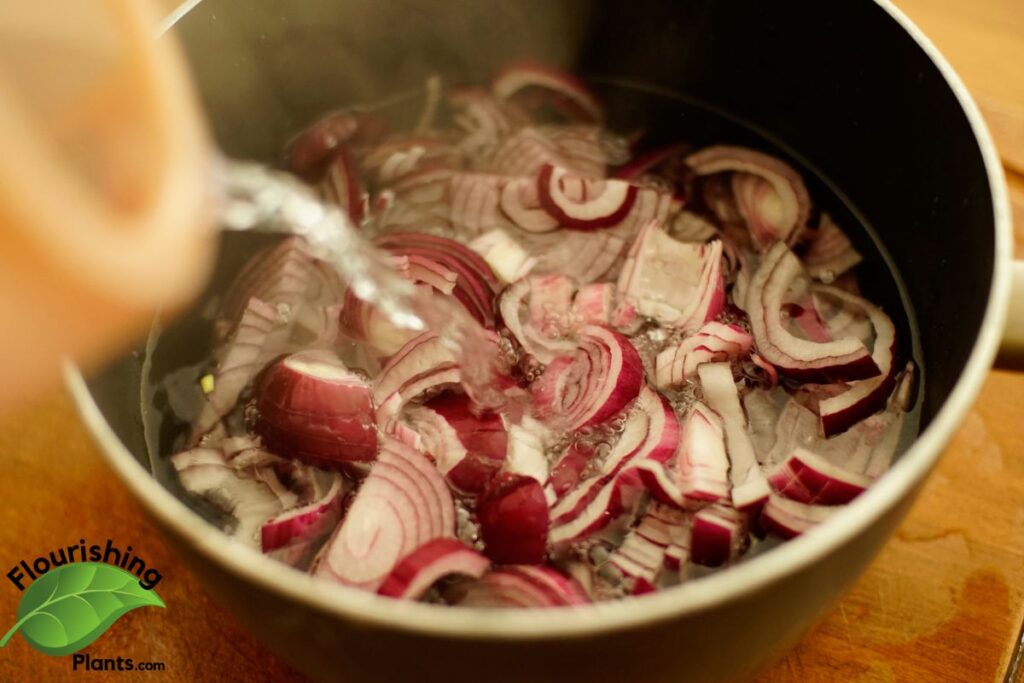
Onions are rich in organosulfur compounds, flavonoids like quercetin, and trace minerals including potassium, calcium, and phosphorus.
When you steep onion peels or chopped onion scraps in water, those compounds leach into the liquid. The result is a mild, nutrient-carrying tonic that also has natural antifungal and insect-deterring properties.
It won’t replace a balanced fertiliser. But as a supplement especially for pest prevention and soil health it punches well above its weight.
The 7 Best Uses of Onion Water for Plants
1. Boost Sulfur-Deficient Plants Naturally
Sulfur is an essential macronutrient that supports chlorophyll production, enzyme function, and protein synthesis in plants.
When plants are short on sulfur, you’ll notice yellowing of young leaves (as opposed to the older-leaf yellowing typical of nitrogen deficiency). Onion water delivers a gentle, organic sulfur boost that’s easy for roots to absorb.
This is also a good moment to mention that similar kitchen-scrap remedies like using hydrogen peroxide on plants can complement a natural plant-care routine without reaching for synthetic chemicals.
I use a simple glass jar with a strainer lid from Amazon it makes it easy to steep onion peels and strain the water without any mess.
What it looks like: Pale or yellow new growth, stunted development, or dull leaf colour despite regular feeding.
What causes it: Sandy or heavily leached soils, overwatering, or growing heavy feeders like brassicas and alliums in the same bed repeatedly.
How to make and apply onion water for sulfur deficiency:
- Collect the dry outer peels of 3 – 4 onions (or 1 whole chopped onion) and place in a 1-litre jar.
- Cover with 1 litre of room-temperature water and steep for 1224 hours.
- Strain the liquid and dilute with an equal part of plain water (1:1 ratio).
- Water directly into the soil at the base of affected plants.
- Repeat once every 710 days for 3 – 4 weeks, then reassess leaf colour.
2. Deter Aphids and Spider Mites with Sulfur Compounds
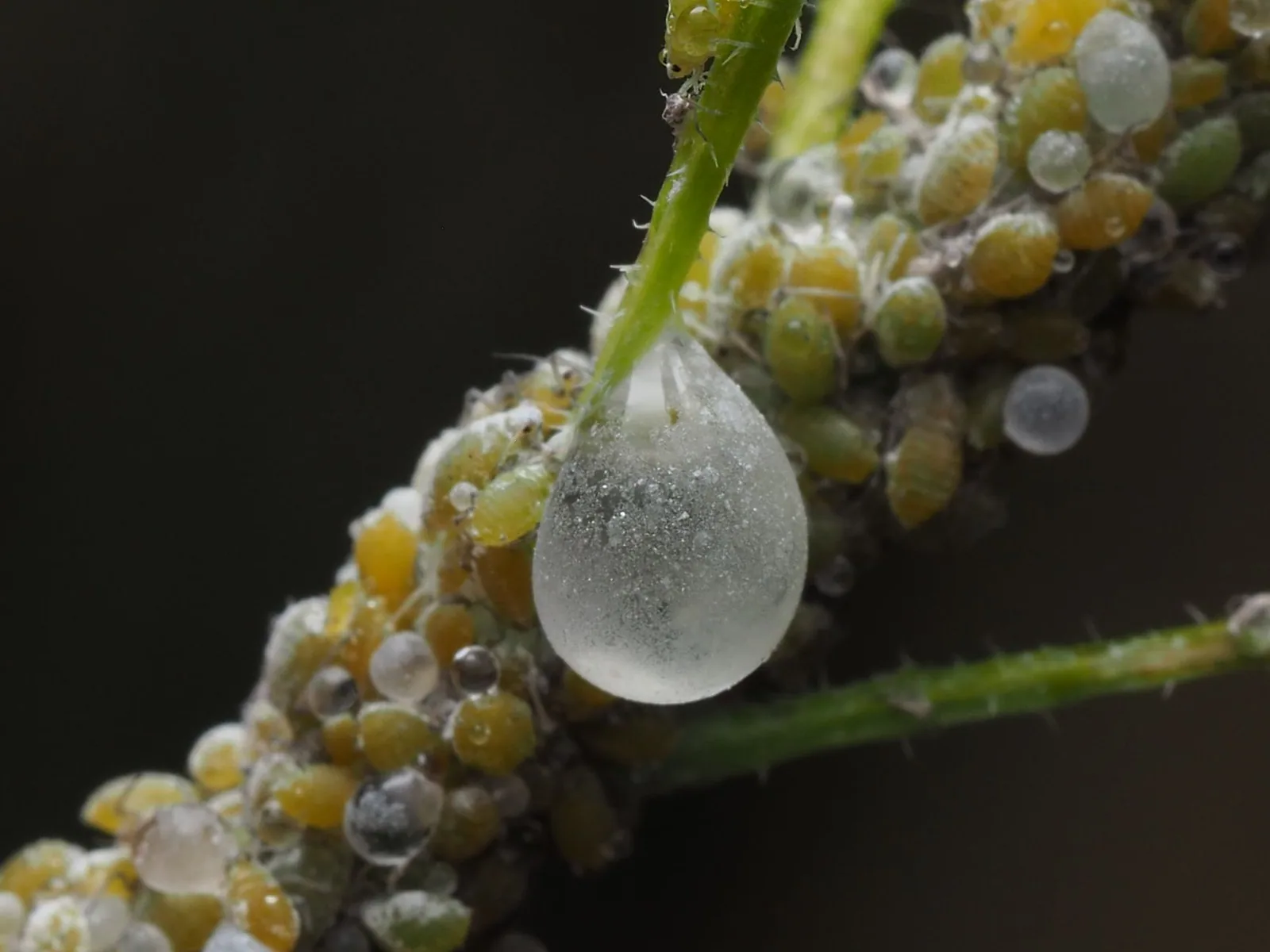
Sulfur compounds are well known as natural insect deterrents. The volatile organosulfur molecules in onion water make treated plants far less appealing to soft-bodied pests like aphids, spider mites, and whiteflies.
It works as both a soil drench (which makes the plant’s sap slightly sulfurous) and a foliar spray. For a broader pest-control approach, pairing it with garlic water for pest control gives you a powerful one-two punch using nothing but kitchen scraps.
What they look like: Clusters of tiny insects on new growth, stippled or silvery leaves, or fine webbing on leaf undersides.
What causes them: Warm, dry conditions, stressed plants, or high nitrogen levels that produce soft, attractive new growth.
How to apply onion water as a pest-deterrent foliar spray:
- Steep 4 – 5 onion peels in 500 ml of water for 2 – 4 hours.
- Strain thoroughly and pour into a clean spray bottle do not dilute further for foliar use.
- Spray directly onto affected leaves, covering both the upper and lower surfaces.
- Apply in the early morning or late evening to avoid leaf scorch.
- Repeat every 5 – 7 days for 2 – 3 weeks, or until pest pressure drops.
3. Strengthen Seedling Root Development
Seedlings are at their most vulnerable in the first few weeks after germination. Their root systems are tiny, and any support you can give them pays dividends later.
The quercetin and trace minerals in onion water have been shown in small-scale studies to stimulate root cell development and improve early root mass. A diluted onion water drench at the seedling stage gives roots a gentle nudge in the right direction.
What it does: Encourages faster, denser root development in young plants, which translates to stronger establishment and better drought resilience later.
What causes slow root development: Compacted or nutrient-poor starting mix, low light, or overwatering that reduces oxygen in the root zone.
How to apply onion water to seedlings:
- Steep 2 onion peels in 500 ml of water for 1 – 2 hours a lighter steep is fine for seedlings.
- Strain and dilute to a 1:3 ratio (1 part onion water to 3 parts plain water).
- Water seedling trays gently from the base or use a fine-rose watering can from above.
- Apply once a week from the 2-leaf stage until transplanting.
- Do not apply to seeds before germination wait until the seedling has emerged.
4. Improve Soil Microbial Activity and Nutrient Cycling
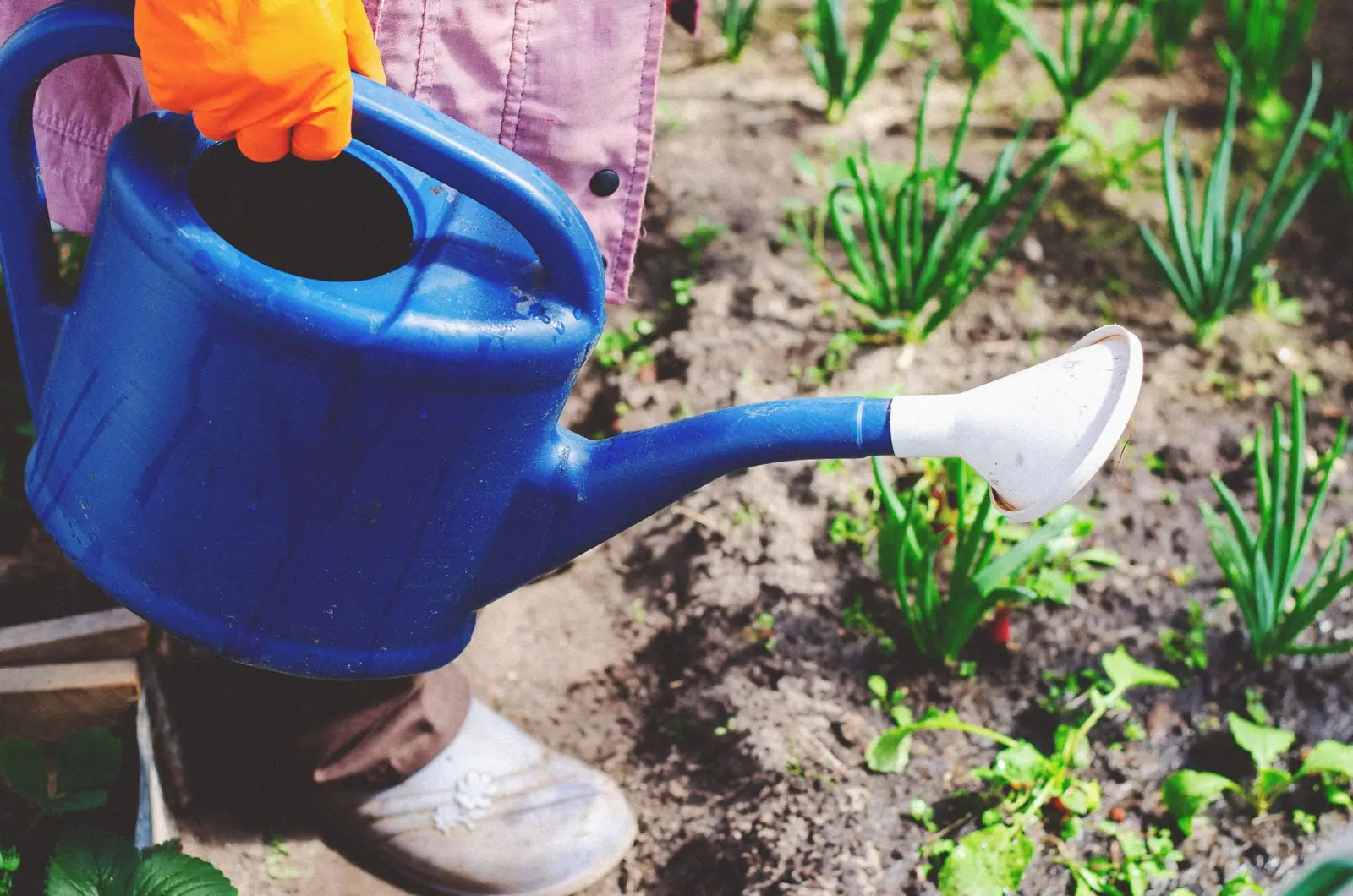
Healthy soil is living soil. Beneficial bacteria and fungi break down organic matter, fix nutrients, and protect roots from pathogens and they need fuel to do it.
Onion water introduces small amounts of organic carbon, minerals, and flavonoids that act as a mild prebiotic for soil microbes. Think of it as feeding the ecosystem your plants live in. This is the same principle behind other kitchen-scrap fertilisers like banana peel water which add organic compounds that microbes can metabolise.
What it does: Increases microbial diversity and activity in the root zone, which improves the breakdown and availability of nutrients already in your soil.
What causes poor microbial activity: Synthetic fertiliser overuse, soil compaction, poor drainage, or repeated use of fungicides that kill beneficial organisms.
How to use onion water as a soil microbial booster:
- Steep 5 – 6 onion peels in 2 litres of water for 2 – 4 hours.
- Strain the liquid and apply undiluted to the soil surface around established plants.
- Water in gently after application to help it penetrate the root zone.
- Apply once every 2 weeks throughout the growing season.
- Combine with a layer of compost mulch for best results.
5. Reduce Fungal Disease Risk on Leaves
Quercetin and other flavonoids in onion water have demonstrated antifungal properties in laboratory settings. As a preventative foliar spray, onion water can help reduce the incidence of common fungal issues like powdery mildew, early blight, and leaf spot.
It’s not a cure for an active infection but as a preventative measure applied before problems appear, it creates an inhospitable surface environment for fungal spores.
What it does: Deposits mild antifungal compounds on the leaf surface that inhibit fungal spore germination and early colonisation.
What causes fungal problems: High humidity, poor air circulation, overhead watering, or dense planting that keeps foliage damp for extended periods.
How to apply onion water as a preventative antifungal spray:
- Steep 4 onion peels in 500 ml of water for 2 – 4 hours.
- Strain and pour into a spray bottle no dilution needed for foliar application.
- Spray all leaf surfaces lightly, including undersides, once a week.
- Apply in the morning so leaves dry fully before nightfall.
- Begin applications at the start of humid weather or when conditions favour fungal growth.
6. Enhance Nutrient Uptake in Container Plants
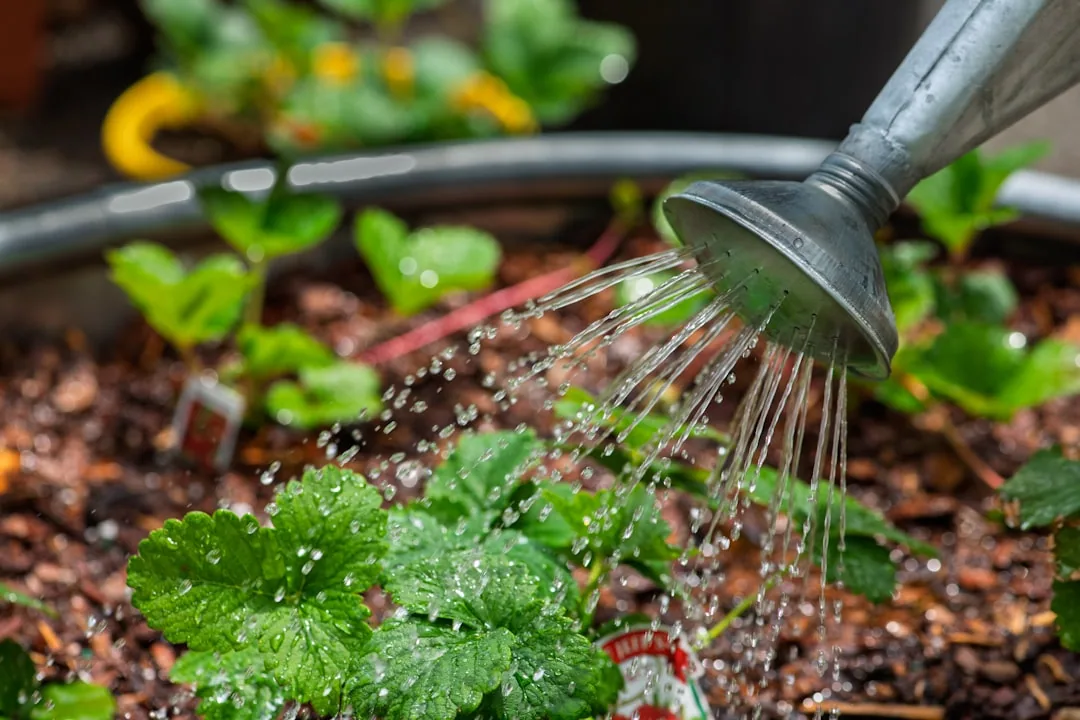
Container plants are cut off from the natural nutrient cycling that happens in garden beds. They rely entirely on what you give them and nutrients flush out quickly with every watering.
Onion water’s trace potassium and phosphorus, combined with its mild acidifying effect, can help container plants access nutrients more efficiently. It works well alongside other kitchen-scrap methods rice water for plants is another great option for boosting nutrient availability in pots.
What it does: Delivers trace minerals directly to the root zone and slightly lowers soil pH, which improves the solubility of nutrients like iron, manganese, and phosphorus.
What causes poor nutrient uptake in containers: Soil pH drift (usually upward), salt buildup from fertilisers, or root-bound conditions that reduce active root surface area.
How to use onion water for container plant feeding:
- Steep 3 – 4 onion peels in 1 litre of water for 1224 hours.
- Strain and dilute to a 1:2 ratio (1 part onion water to 2 parts plain water).
- Use in place of regular watering once every 1014 days.
- Water until it drains freely from the bottom of the pot.
- Alternate with a balanced liquid fertiliser rather than replacing it entirely.
7. Repel Slugs and Snails Around Young Plants
Slugs and snails rely heavily on scent to navigate toward food sources. The strong sulfurous odour of onion water is enough to disrupt that navigation and steer them away from vulnerable plants.
Applied as a perimeter drench around seedbeds or young transplants, onion water acts as a simple, non-toxic deterrent that won’t harm beneficial insects, birds, or soil life.
What they do: Rasp through soft leaf tissue overnight, leaving irregular holes, slime trails, and devastated seedlings by morning.
What causes infestations: Moist conditions, dense mulch close to stems, or garden beds that border long grass and leaf litter where slugs shelter during the day.
How to apply onion water as a slug and snail deterrent:
- Steep 6 – 8 onion peels in 2 litres of water for 2 – 4 hours for a stronger concentration.
- Strain and apply undiluted around the perimeter of beds or individual plants.
- Create a 1015 cm treated band in the soil around each plant or along bed edges.
- Reapply every 3 – 5 days, and always reapply after rain.
- Combine with a ring of coarse grit or crushed eggshells for added physical deterrence.
Quick Reference: Onion Water Uses at a Glance
| Use | Dilution | Application Method | Frequency | Best For |
|---|---|---|---|---|
| Sulfur deficiency | 1:1 | Soil drench | Every 710 days | Yellowing new leaves |
| Pest deterrent | Undiluted | Foliar spray | Every 5 – 7 days | Aphids, spider mites |
| Seedling roots | 1:3 | Gentle drench | Once a week | Young seedlings |
| Soil microbes | Undiluted | Soil drench | Every 2 weeks | Established beds |
| Fungal prevention | Undiluted | Foliar spray | Once a week | Humid conditions |
| Container feeding | 1:2 | Regular watering | Every 1014 days | Potted plants |
| Slug repellent | Undiluted | Perimeter drench | Every 3 – 5 days | Seedbeds, transplants |
When NOT to Use Onion Water on Plants
Onion water is gentle, but it’s not right for every situation.
Avoid using it on acid-sensitive plants in already-acidic soil. Onion water has a mild acidifying effect. If your soil pH is already below 5.5, adding more acidity can lock out nutrients rather than help.
Don’t use it as a cure for active pest infestations. It’s a deterrent, not a contact insecticide. If you’re already dealing with a serious aphid or mite outbreak, you’ll need something stronger. I pair onion water with cold-pressed neem oil from Amazon for complete pest prevention the sulfur compounds in onion water deter pests, while neem oil disrupts their life cycle.
Don’t apply it to drought-stressed plants. Any concentrated organic solution applied to stressed roots can cause further damage. Water thoroughly first, then apply onion water 2 – 4 hours later.
Avoid applying it to seedlings under 2 weeks old. The compounds can be too stimulating for very early-stage seedlings. Wait until the first true leaves have appeared.
If you’re looking for alternatives that are gentler still, banana peel water fertilizer is an excellent option for delicate seedlings or sensitive plants.
How to Prevent Problems: Tips for Using Onion Water Safely
- Always strain thoroughly before use.
Onion solids left in the water will rot and can introduce harmful bacteria or attract pests. Use a fine-mesh strainer or cheesecloth. - Use fresh batches each time.
Onion water stored for more than 4 – 8 hours at room temperature can ferment and become too acidic. Make a fresh batch every 1 – 2 days, or store in the fridge for up to 4 days. - Start diluted and observe your plants.
New to onion water? Begin with a 1:3 dilution for the first 2 applications and check for any sign of leaf tip burn before moving to stronger concentrations. - Don’t apply during the hottest part of the day.
Foliar sprays applied in direct midday sun can cause scorch. Early morning or evening is always best. - Rotate with other kitchen-scrap tonics.
No single supplement should be used exclusively. Rotating between onion water, banana peel water, and rice water gives your plants a more balanced range of trace minerals. - Finish with a neem oil follow-up for pest control.
For best results against pests, apply onion water as a foliar spray on day one, then follow up with a diluted neem oil spray (2 ml neem oil + 1 ml dish soap per 1 litre water) three days later. This two-step approach covers both deterrence and life-cycle disruption.
The Bottom Line
Onion water is one of those rare garden hacks that costs nothing, takes minutes to make, and genuinely delivers results when used consistently.
It won’t replace a balanced fertiliser programme or a targeted treatment for a serious pest outbreak. But as a regular supplement especially for sulfur support, pest deterrence, and soil health it earns a permanent place in any natural garden routine.
The most important thing to remember is this: onion water works best as a preventative and a supplement, not a cure use it consistently and in rotation with other organic inputs, and your plants will quietly thank you for it.
Related Posts:
- Using Hydrogen Peroxide on Plants
- Garlic Water for Pest Control
- Banana Peel Water for Plants
- Watering Plants with Pasta Water
- Adjusting Water pH for Plants
Related Articles
Pepper leaves curling? Learn the 7 most common causes — from underwatering and heat stress to aphids and viral disease — plus step-by-step fixes to help your plants recover fast.
Pepper Leaves Turning Yellow: Why It Happens and How to Fix It
Pepper plant leaves turning yellow? Learn the 7 most common causes — from nitrogen deficiency to overwatering — and get specific, actionable fixes to bring your pepper plants back to health.