
You’re watering your plants faithfully, feeding them regularly and yet the leaves still look pale and washed out. The new growth is yellow between the veins while the veins themselves stay green. Sound familiar?
Iron water for plants provides essential iron, a micronutrient critical for chlorophyll production and healthy photosynthesis.
The 7 most effective uses include
- correcting iron chlorosis in acid-loving plants,
- greening up yellowing leaves between veins,
- boosting vegetable yields in alkaline soil,
- improving lawn color and density,
- strengthening rose blooms and foliage,
- supporting hydroponic and soilless systems, and
- reviving iron-deficient citrus trees.
From my years of growing potted plants and troubleshooting yellowing leaves, iron deficiency was one of the last things I thought to check. Once I started applying dilute iron water, the turnaround in color and vigor was faster than I expected.
Why Iron Water Works for Plants
Iron is a micronutrient, but plants need it to manufacture chlorophyll and run the enzyme systems that power photosynthesis. Without it, leaves lose their green color in a very specific pattern: yellow between the veins while the veins themselves stay green. This is called interveinal chlorosis, and it’s the telltale sign of iron deficiency.
The tricky part is that most soils actually contain iron just in a form plants can’t absorb. Soil pH above 7.0 locks iron into insoluble compounds. Overwatering, poor drainage, and high phosphorus levels make it worse.
Applying iron directly in water especially as a chelated iron solution bypasses that lock. The iron stays soluble and reaches plant roots or leaf tissue quickly, which is why liquid iron treatments work faster than slow-release granules buried in the soil.
1. Correct Iron Chlorosis in Acid-Loving Plants
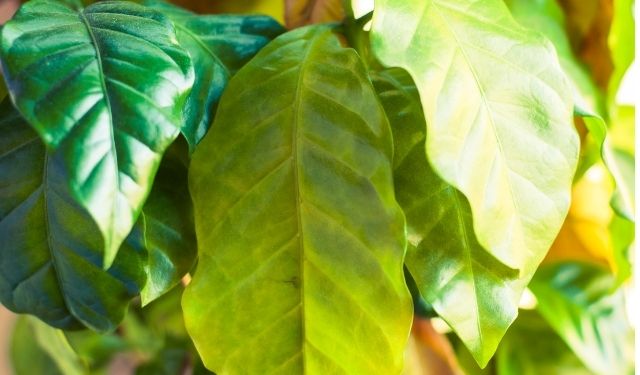
Acid-loving plants like azaleas, camellias, blueberries, and gardenias are among the most vulnerable to iron deficiency. They’re genetically wired to thrive in pH 4.5 – 6.0, where iron is naturally soluble. Plant them in neutral or alkaline soil and iron uptake collapses even if the soil is rich.
Checking your soil’s pH before treating is essential because if the pH is already fine, the problem may lie elsewhere. You can read more about how pH affects iron availability and water quality for plants to understand why acidity and iron uptake are so tightly linked.
I use a chelated iron liquid concentrate from Amazon it dissolves instantly in water and works fast for yellowing leaves. View on Amazon
How to treat iron chlorosis in acid-loving plants
- Test your soil pH: Use a probe meter to confirm pH is above 6.5 before treating that’s the threshold where iron uptake starts to stall for most acid-lovers.
- Mix the solution: Dissolve chelated iron concentrate according to label directions, typically 1 – 2 tablespoons per gallon (3.8 L) of water.
- Water thoroughly: Apply at the root zone until the soil is evenly moist, using roughly 1 – 2 quarts (1 – 2 L) per medium-sized shrub.
- Repeat the treatment: Apply every 2 – 4 weeks during the growing season until new growth emerges green and healthy.
2. Green Up Yellowing Leaves Between Veins
Interveinal chlorosis in houseplants and container plants is one of the most common complaints I hear and one of the easiest to fix once you identify the cause. Container plants are especially prone because pots limit root exploration, and potting mixes can become iron-depleted over time.
A dilute foliar spray of iron solution works faster than a soil drench for houseplants because the iron is absorbed directly through the leaf tissue, bypassing whatever soil chemistry is blocking uptake.
How to apply iron water as a foliar spray
- Mix the foliar solution: Combine ¼ teaspoon of chelated iron liquid concentrate with 1 quart (950 ml) of water in a spray bottle.
- Spray in the morning: Mist the tops and undersides of leaves until they’re lightly coated but not dripping morning application gives leaves time to dry before nightfall.
- Avoid direct sun: Move potted plants out of strong direct light for a few hours after spraying to prevent leaf scorch.
- Repeat weekly: Apply once a week for 3 – 4 weeks; you should see new growth emerge green within 2 – 3 weeks.
3. Boost Vegetable Yields in Alkaline Soil

Heavy feeders like tomatoes, spinach, brassicas, and peppers show iron deficiency quickly, and the yield hit is real. Pale, chlorotic leaves mean stunted photosynthesis which translates directly into smaller harvests.
Alkaline garden soil is the main culprit here, particularly in arid climates where water is naturally high in calcium and bicarbonates. If you’ve been enriching your vegetable beds with nutrient-rich natural waters, you already know the difference a supplemental drench can make. Soaking banana peels in water is a great companion practice for adding potassium alongside your iron treatments.
How to apply iron water to vegetable beds
- Mix the drench: Dissolve chelated iron at 1 tablespoon per gallon (3.8 L) of water slightly stronger than a maintenance dose.
- Apply at transplant time: Water each transplant hole with 1 quart (950 ml) of iron solution before setting seedlings in.
- Follow up monthly: Apply a maintenance drench once a month throughout the growing season, increasing to every 2 weeks if chlorosis reappears.
- Pair with pH management: Work sulfur into the soil or use an acidifying mulch like pine needles to sustain iron availability between treatments.
4. Improve Lawn Color and Density
A yellow lawn is often blamed on nitrogen but if you’ve applied nitrogen and the color still won’t come in, iron could be the missing piece. Iron promotes the deep, dense green that makes a lawn look well-tended, and it works without the surge of excess growth that nitrogen causes.
This is particularly useful in spring when you want a quick green-up without triggering a mowing frenzy, or in summer when high temperatures push soil pH upward and iron locks out.
How to apply iron water to a lawn
- Mix a hose-end solution: Dilute liquid iron at 2 ounces per gallon (3 – 0 ml per 3.8 L) of water check your product label as concentrations vary.
- Apply in cool conditions: Early morning or evening is best; iron can scorch grass blades if applied in midday heat above 8 – 5°F (2 – 9°C).
- Cover evenly: Use a hose-end sprayer or watering can to apply uniformly, treating about 1,000 sq ft (9 – 3 m²) per gallon of diluted solution.
- Wait before mowing: Give the lawn 2 – 4 hours to absorb the treatment before mowing.
- Repeat every 4 – 6 weeks: One application deepens color within 5 – 7 days; repeat throughout the growing season as needed.
5. Strengthen Rose Blooms and Foliage
Roses are heavy feeders and notorious for iron deficiency, especially in clay-heavy soils or raised beds with high pH. Worse, iron-deficient roses are more susceptible to black spot and other fungal issues because weakened foliage offers less resistance.
Combining iron water treatments with a consistent watering routine gives roses the foundation they need for strong, deeply colored blooms. I also pair iron treatments with hydrogen peroxide applications between waterings the peroxide oxygenates the root zone and helps roots absorb nutrients more efficiently.
How to apply iron water to roses
- Mix the root drench: Dissolve chelated iron at 1 – 2 tablespoons per gallon (3.8 L) of water.
- Water at the base: Apply 1 – 2 gallons (3.8 – 7.6 L) per established rose bush directly at the root zone, keeping it away from foliage to prevent staining.
- Add a foliar spray: One week later, apply a dilute foliar spray (¼ teaspoon per quart/950 ml) directly to leaves showing chlorosis.
- Treat every 3 – 4 weeks: Continue through bloom season; stop in late autumn when the plant goes dormant.
6. Support Hydroponic and Soilless Systems
In hydroponics, there’s no soil buffer to hold iron in reserve the nutrient solution is everything. Iron deficiency shows up fast in these systems, especially when pH drifts above 6.5 or when the solution is not properly chelated.
For soilless growers, chelated iron (Fe-EDTA or Fe-DTPA) is the only practical option because non-chelated iron precipitates out of solution almost immediately. If you’re already experimenting with supplemental nutrient waters in your setup, rice water is another low-cost natural addition worth exploring alongside iron.
How to maintain iron levels in a hydroponic system
- Use chelated iron only: Add Fe-EDTA or Fe-DTPA at 1 – 5 mg/L (ppm) to your nutrient reservoir check your base nutrient formula first, as many already include iron.
- Hold pH at 5.5 – 6.5: Monitor and adjust pH daily; iron availability drops sharply outside this window.
- Check the reservoir weekly: Test iron levels with a nutrient solution EC meter and top up chelated iron if plants show early interveinal yellowing.
- Change the reservoir monthly: Full reservoir changes prevent iron and salt buildups that lock out other nutrients.
7. Revive Iron-Deficient Citrus Trees
Citrus trees oranges, lemons, limes, grapefruits are classic iron-deficiency candidates. Their shallow, fibrous root systems are sensitive to soil pH fluctuations, and the newest leaves are always the first to show deficiency because iron isn’t mobile within the plant.
Consistent feeding with both soil-applied and foliar iron treatments gives citrus the best recovery rate. Pairing iron treatments with natural nutrient waters can amplify results; banana peel water adds potassium that supports overall tree vigour alongside your iron applications.
How to apply iron water to citrus trees
- Mix a strong root drench: Combine 2 tablespoons of chelated iron concentrate per gallon (3.8 L) of water for established trees.
- Apply to the drip line: Water 3 – 5 gallons (1119 L) of iron solution evenly around the drip line of the tree not just at the trunk where the feeder roots are.
- Follow with a foliar spray: One week later, spray leaves with a dilute solution (¼ teaspoon per quart/950 ml), focusing on the newest, most chlorotic growth.
- Treat every 6 – 8 weeks: Citrus is a long-term commitment; repeat through spring and summer, and reassess soil pH seasonally.
- Lower soil pH if needed: Apply sulfur at 1 – 2 lbs per 100 sq ft (0.5 – 1 kg per 9 m²) annually to keep pH in the 6.0 – 6.5 sweet spot for citrus.
Quick Reference Table
| Use | Application Method | Mix Ratio | Frequency |
|---|---|---|---|
| Iron chlorosis (acid-lovers) | Root drench | 1 – 2 tbsp / gallon | Every 2 – 4 weeks |
| Houseplant foliar spray | Foliar mist | ¼ tsp / quart | Weekly à 3 – 4 weeks |
| Vegetable beds | Root drench | 1 tbsp / gallon | Monthly |
| Lawn | Hose-end spray | 2 oz / gallon | Every 4 – 6 weeks |
| Roses | Root drench + foliar | 1 – 2 tbsp / gallon | Every 3 – 4 weeks |
| Hydroponics | Reservoir addition | 1 – 5 mg/L (ppm) | Weekly monitoring |
| Citrus trees | Root drench + foliar | 2 tbsp / gallon | Every 6 – 8 weeks |
When NOT to Use Iron Water on Plants
Iron water is not a universal fix. Applying iron to soil that is already high in iron or treating a plant whose yellowing is caused by something other than iron deficiency will do nothing and may cause harm.
Don’t treat without testing. Nitrogen deficiency, magnesium deficiency, and overwatering all produce yellowing that can look similar to iron deficiency. The key visual distinction is that iron deficiency shows yellowing between the veins on new growth first, while nitrogen deficiency shows yellowing on older leaves first.
I keep a soil pH meter from Amazon on hand iron availability drops sharply above pH 7.0, so testing before treatment saves time and prevents over-application. View on Amazon
Avoid iron water on plants that prefer alkaline soil. Lavender, clematis, and many native prairie plants are adapted to higher pH. Repeated iron drenches can push the root zone acid enough to damage these plants.
Don’t overapply. Iron toxicity is rare in garden soil but possible in containers and hydroponics. Symptoms of iron excess include brown leaf tips, stunted roots, and overall poor growth. Stick to recommended rates, and let new growth guide whether a follow-up treatment is actually needed.
How to Prevent Iron Deficiency Before It Starts
The best time to address iron deficiency is before you see yellowing leaves. A few simple habits keep soil iron available year-round.
Test your soil pH every season. Most iron deficiency isn’t a shortage of iron in the soil it’s iron that’s locked up because the pH is too high. A quick at-home test kit tells you whether your pH has crept above 7.0, which is when iron becomes progressively unavailable to plant roots. Catching a rising pH early means a simple sulfur amendment, rather than months of iron water treatments.
Amend with organic matter regularly. Compost, aged bark, and leaf mould naturally acidify soil over time and improve the microbial activity that converts iron into plant-available forms. Working in a 2 – 3 inch layer of compost each spring is one of the most reliable long-term defences against iron chlorosis in vegetable beds and ornamental borders.
Avoid overwatering. Waterlogged soil becomes anaerobic, and anaerobic conditions dramatically reduce a plant’s ability to absorb iron even when it’s present. If your containers or beds stay soggy for more than a day or two after rain or irrigation, improve drainage before reaching for an iron supplement. Adding perlite to container mix or raising beds by a few inches solves the root cause rather than chasing symptoms.
Finally, a light foliar spray of dilute neem oil solution (2 teaspoons neem oil + a few drops of dish soap per litre of water) applied monthly helps keep the leaf surface free of pests and fungal build-up that can interfere with nutrient uptake a small, natural step that supports overall plant health alongside your iron routine.
Frequently Asked Questions
Can I use iron water on all plants?
Most garden plants benefit from occasional iron water applications when deficiency is present, but it’s not universally needed. Acid-loving plants like azaleas, blueberries, and citrus respond best. Alkaline-preferring plants like lavender should not be treated regularly, as iron applications can push the soil too acidic for their liking.
How quickly does iron water work on yellowing leaves?
Existing chlorotic leaves rarely fully green up iron is not mobile within the plant, so it can’t rescue damaged tissue. However, new growth should emerge a healthy green color within 2 – 3 weeks of starting foliar treatments, and 3 – 4 weeks for root drenches. If there’s no improvement after a month, recheck pH and rule out other deficiencies.
What is the difference between chelated iron and regular iron sulfate for plants?
Chelated iron (bound to an organic molecule like EDTA or DTPA) stays soluble in a wider pH range and is absorbed by plants much more efficiently than raw iron sulfate. Iron sulfate works well as a soil acidifier and longer-term amendment but precipitates out of solution at pH above 7 quickly. For fast foliar fixes, chelated iron is the better choice.
The Bottom Line
Iron deficiency is one of the most common and most misidentified problems in home gardens. The yellowing between veins on new growth is a clear signal, and the good news is that dilute iron water is an affordable, fast-acting solution for most situations.
Focus on the right application method for your plant type. Foliar sprays work fastest for houseplants and citrus; root drenches suit established shrubs, roses, and vegetable beds. Always test soil pH first because iron water won’t fix a pH problem by itself, and acidifying the soil alongside your iron treatments gives you lasting results rather than a temporary fix.
The single most important step is to confirm iron deficiency before you treat check for interveinal chlorosis on new growth, test your soil pH, and then choose the right application method for the plant in front of you.
Related Posts:
- Using Hydrogen Peroxide on Plants: 1 – 1 Uses & Mixing Ratios
- Soaking Banana Peels in Water for Plants
- Using Rice Water on Plants
- Using Garlic Water on Plants
- Watering Plants with Aquarium Water
Related Articles
Pepper leaves curling? Learn the 7 most common causes — from underwatering and heat stress to aphids and viral disease — plus step-by-step fixes to help your plants recover fast.
Pepper Leaves Turning Yellow: Why It Happens and How to Fix It
Pepper plant leaves turning yellow? Learn the 7 most common causes — from nitrogen deficiency to overwatering — and get specific, actionable fixes to bring your pepper plants back to health.