
You head out to the garden, pull back a few outer leaves, and find your cabbage riddled with holes. It happened fast yesterday the leaves looked fine, and today they look like someone took a hole punch to them.
The good news is that a few specific pests cause almost all cabbage leaf damage, and once you know which one you’re dealing with, the fix is straightforward.
Holes in cabbage leaves are most commonly caused by imported cabbageworms, flea beetles, slugs and snails, or cutworms. Cabbageworms leave large, irregular holes with green frass nearby; flea beetles create a distinctive shot-hole pattern of tiny round holes across young leaves; slugs leave ragged holes and a telltale slime trail; cutworms attack at soil level, sometimes cutting seedlings off entirely.
Knowing which pest is responsible matters because the fixes are different. A Bt spray that wipes out cabbageworms won’t touch flea beetles, and slug bait won’t help if you have a cutworm problem.
Use the hole shape, size, and location on the plant to identify your culprit first then apply the right fix.
Why Does This Happen? The 4 Main Causes
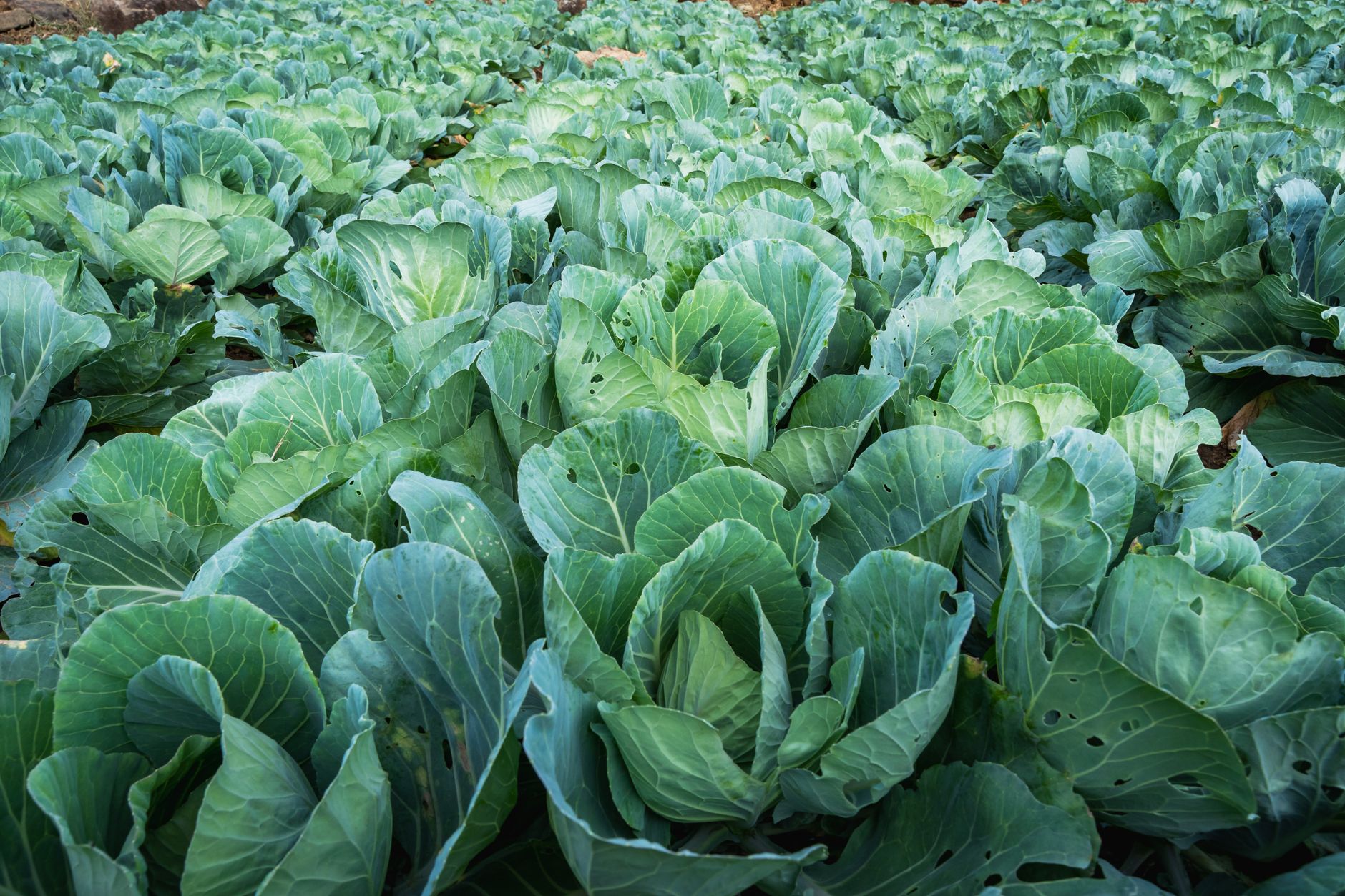
Cabbage is a brassica, and brassicas are among the most pest-attractive crops in the home garden. They release glucosinolate compounds that actually signal to certain insects that a meal is waiting.
Warm springs, damp soil, and gaps in row cover coverage are the three most common reasons pests get a foothold. Once one generation feeds and lays eggs, populations build quickly.
Here’s how to identify each culprit and stop them.
1. Imported Cabbageworm (Large Irregular Holes with Frass)
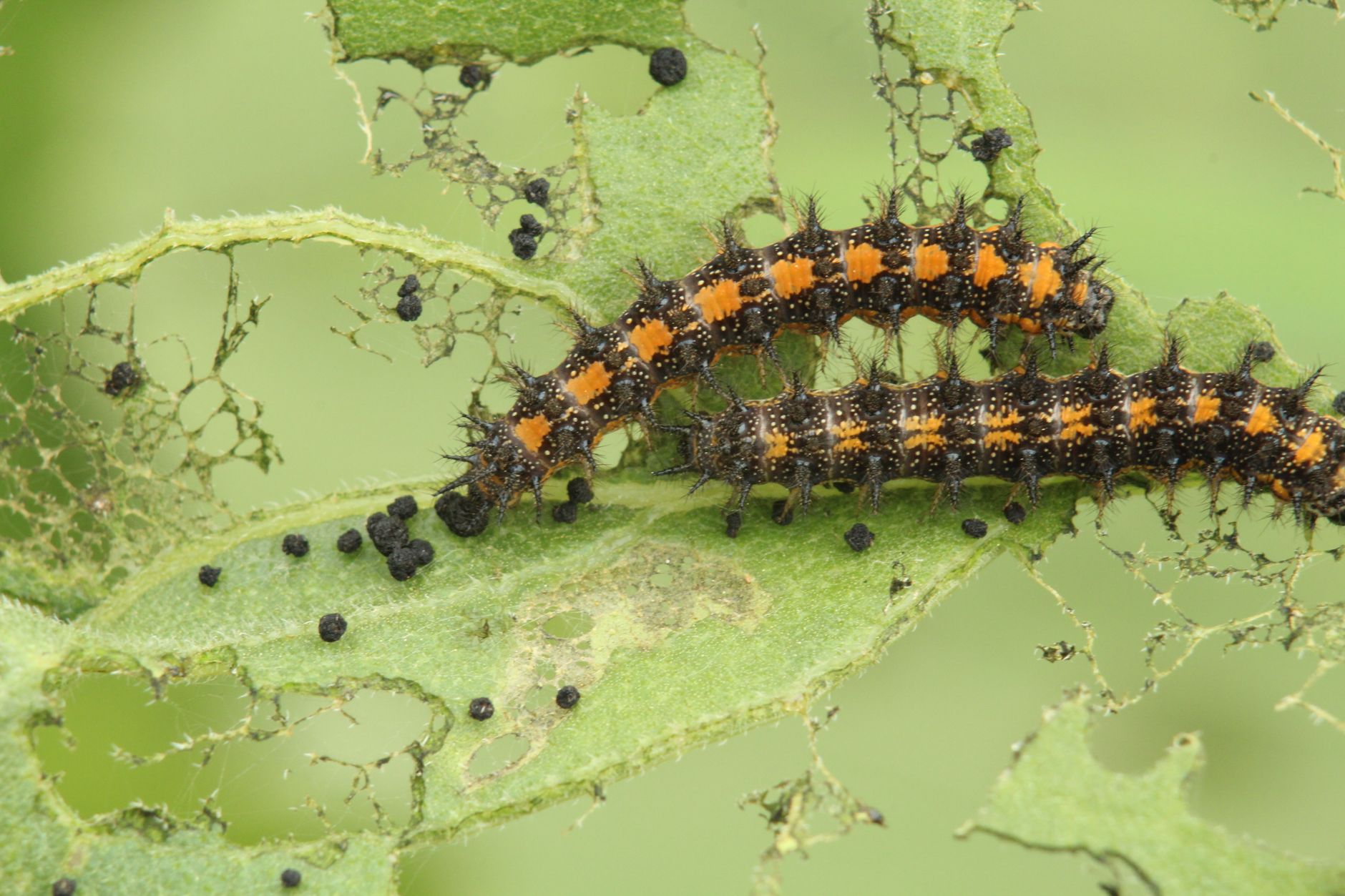
The imported cabbageworm is the most common cause of holes in cabbage leaves in North American gardens. The adult is the familiar small white butterfly you see fluttering around your brassica beds.
What the damage looks like: Large, ragged, irregular holes anywhere on the leaf often near the center or heading inward toward the heart. You’ll almost always find small green pellets of frass (caterpillar droppings) nearby.
What causes it: The white cabbage butterfly lays single, pale yellow eggs on the undersides of leaves. Check for black eggs on the underside of leaves as an early warning sign catching eggs before they hatch saves you a lot of trouble. The eggs hatch into pale green, velvety caterpillars that blend almost perfectly with the leaf.
What they do: Larvae feed continuously, chewing through leaves and boring into cabbage heads. A heavy infestation can destroy a head from the inside out before you notice the damage.
How to get rid of imported cabbageworms:
- Inspect plants every 2 – 3 days; handpick all visible larvae and drop them into a bucket of soapy water.
- Check the undersides of leaves for small, pale yellow eggs and crush them in place.
- Mix Bt (Bacillus thuringiensis) spray at 1 – 2 teaspoons per quart of water and apply to all leaf surfaces, including undersides, in the evening.
- Reapply Bt every 5 – 7 days and after any rainfall.
- Continue for 3 – 4 weeks or until no new larvae are found.
The same chewing damage pattern you see here also shows up on ornamentals if you’re also finding holes on rose leaves elsewhere in the garden, caterpillar pests may be active across multiple beds.
2. Flea Beetles (Tiny Shot-Hole Patterns on Young Leaves)
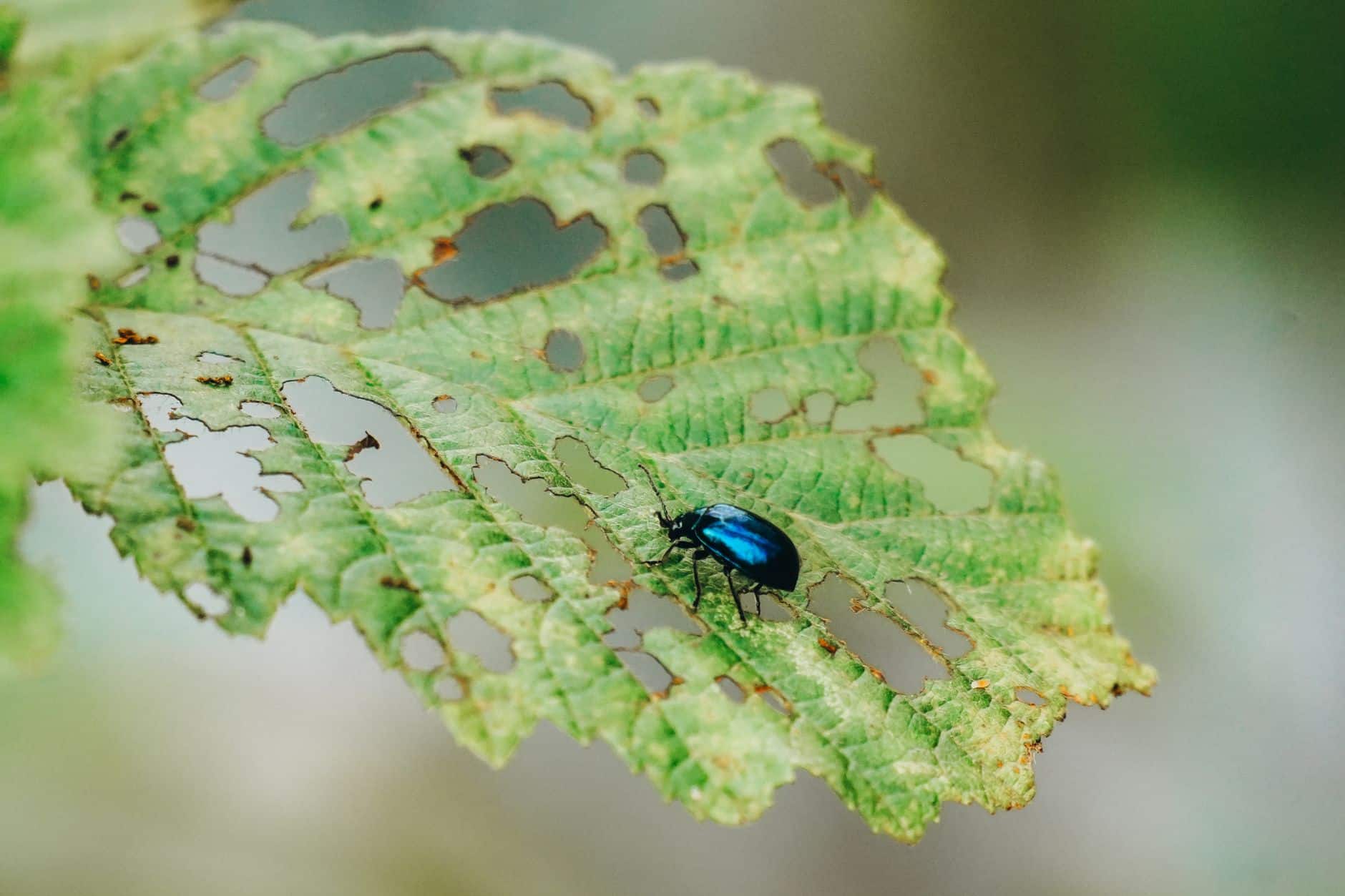
Flea beetles are tiny, shiny, fast-jumping beetles often black or dark bronze about 1/1 – 6 inch long. They’re easy to miss until the damage is already widespread.
What the damage looks like: Dozens of tiny, round to irregular holes scattered across the leaf, especially on young seedlings. The pattern looks like the leaf was hit with fine buckshot. Older, established plants can usually outgrow light flea beetle feeding, but seedlings can be killed outright.
What causes it: Flea beetles overwinter in garden debris and emerge in early spring, right when you’re transplanting seedlings. They’re especially drawn to stressed or newly transplanted brassicas.
What they do: Adults chew small holes through the leaf surface. Heavy feeding on seedlings stunts growth and can cause total leaf collapse. The same pest attacks tomatoes if you’re also seeing holes in tomato leaves across the garden, flea beetles are likely active in your beds more broadly.
I use lightweight floating row covers from Amazon drape them over your cabbage seedlings before the first flea beetles or moths arrive, and you’ll skip 9 – 0% of the damage. Row covers are the single most effective tool for flea beetle prevention on young transplants.
How to get rid of flea beetles:
- Drape floating row cover fabric over seedlings immediately after transplanting; secure edges with soil or clips.
- Dust a thin layer of diatomaceous earth (food-grade) across the soil surface and lower leaf surfaces every 3 – 4 days.
- Mix neem oil at 2 tablespoons per gallon of water with a few drops of dish soap; spray all leaf surfaces every 7 days.
- Remove row covers only when plants are large and established (at least 6 – 8 inches tall with 4+ true leaves).
- Clear all garden debris in fall to reduce overwintering habitat.
3. Slugs and Snails (Ragged Holes with Slime Trails)
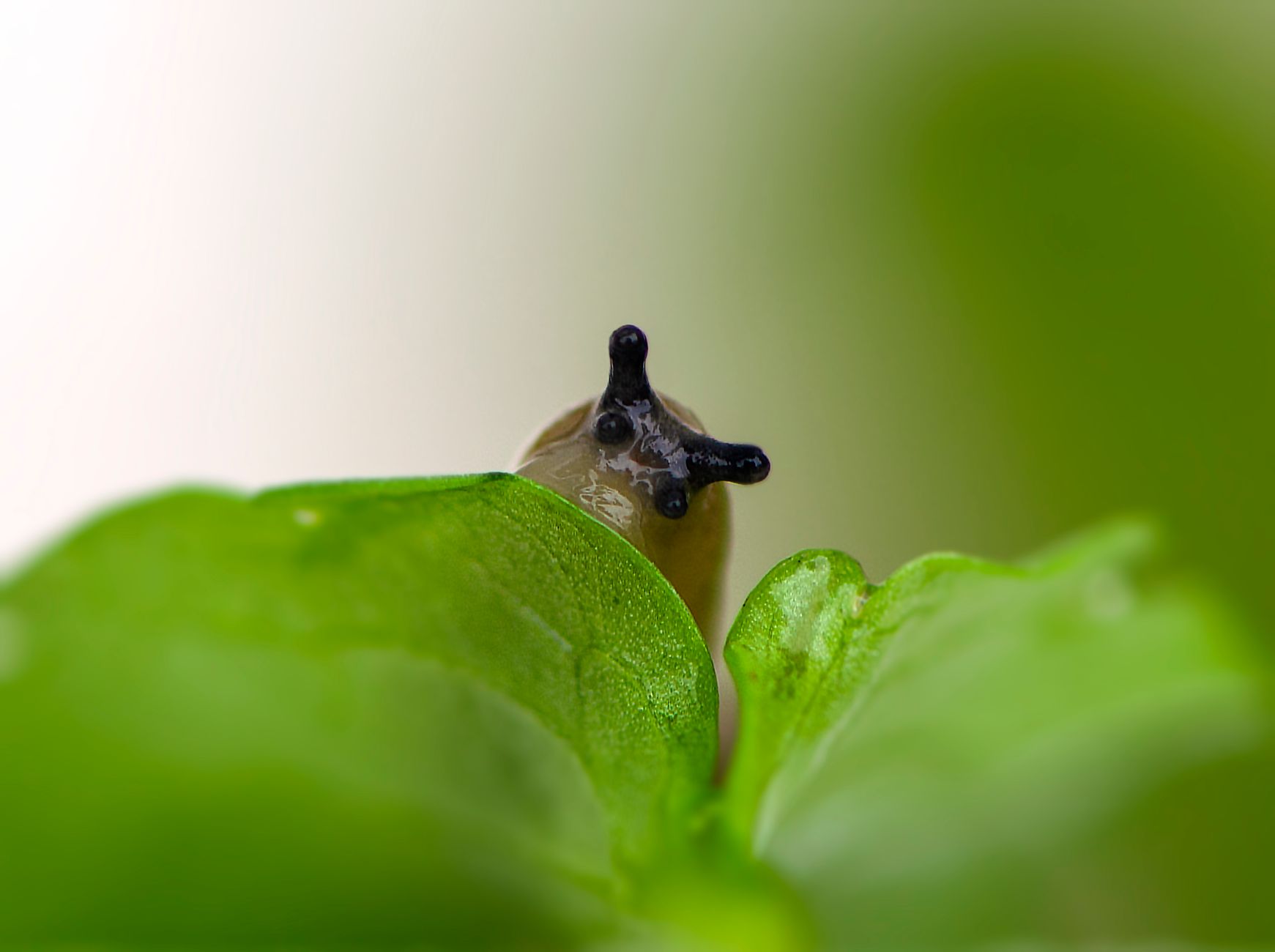
Slugs and snails are mollusks, not insects, which means insect sprays won’t affect them. They feed at night and on overcast days, which is why you often see damage without seeing the culprit.
What the damage looks like: Ragged, irregular holes often near the leaf edge or on lower leaves closest to the soil. The definitive clue is a dried, silvery slime trail on the leaf or nearby soil.
What causes it: Damp conditions, mulch piled against plant stems, dense planting, and overwatering all create slug-friendly environments. They thrive in cool, wet springs.
What they do: Slugs rasp away leaf tissue with a file-like tongue, leaving smooth-edged holes that look slightly different from caterpillar chewing. A large slug population can strip young plants overnight.
How to get rid of slugs and snails:
- Go out after dark with a flashlight and handpick slugs directly into a bucket of soapy water do this for 3 – 5 consecutive nights to knock the population down fast.
- Sprinkle a 2 – 3 inch band of food-grade diatomaceous earth around the base of each plant; reapply after rain.
- Set beer traps: bury a shallow container (like a tuna can) so the rim is level with the soil, fill with 2 – 3 inches of cheap beer, and empty every 1 – 2 days.
- Apply iron phosphate slug bait (e.g., Sluggo) at 1 teaspoon per square yard around plants; safe for pets and wildlife.
- Pull mulch back at least 4 inches from plant stems to reduce daytime hiding spots.
4. Cutworms (Holes Near Stem Base, Seedlings Cut at Soil Line)
![Cutworm damage at base of cabbage seedling stem severed at soil line with surrounding soil disturbed]
Cutworms are the larvae of several moth species. They’re fat, smooth, gray or brown caterpillars that curl into a C-shape when disturbed. Most of their damage happens underground or at soil level.
What the damage looks like: Young seedlings cut cleanly at the soil line the whole plant topples overnight. On larger plants, cutworms may chew holes in lower leaves or burrow into the base of the stem. If you’re also finding mysterious holes in your garden bed soil itself, cutworms or other burrowing larvae are likely involved.
What causes it: Cutworm moths lay eggs on grass or weeds in late summer; larvae overwinter in the soil and become active in spring when you plant. Beds converted recently from lawn are especially prone.
What they do: Larvae feed at night, either cutting seedlings off at the base or chewing into stems and lower leaves. One cutworm can destroy several seedlings in a single night.
How to get rid of cutworms:
- Dig around the base of damaged plants to find and destroy larvae hiding 1 – 2 inches below the soil surface.
- Place a physical collar around each seedling stem: cut a cardboard tube (toilet roll) into 3-inch sections, push each collar 1 inch into the soil around the plant.
- Apply Bt (Bacillus thuringiensis var. kurstaki) as a soil drench mix at 2 teaspoons per quart of water and water it into the soil around plant bases in the evening.
- Scatter food-grade diatomaceous earth in a 3-inch ring around each plant stem and refresh every 3 – 4 days.
- Till the soil shallowly (2 – 3 inches) before planting to expose and kill overwintering larvae.
Quick Reference Table
| Pest | Hole Size | Location on Plant | Key Clue | Best Fix |
|---|---|---|---|---|
| Imported Cabbageworm | Large, irregular | Anywhere; into head | Green frass nearby | Bt spray every 5 – 7 days |
| Flea Beetle | Tiny, round (shot-hole) | Young leaves, seedlings | Jumping beetles visible | Row cover + neem oil |
| Slugs & Snails | Ragged, medium | Lower leaves, leaf edges | Silvery slime trail | Beer traps + diatomaceous earth |
| Cutworm | Stem severed or base holes | Soil line, lower stem | Plant toppled overnight | Cardboard collar + Bt soil drench |
How to Prevent Holes in Cabbage Leaves
- Install row covers at transplanting time. Floating row covers block butterflies, beetles, and moths from reaching your plants before they lay eggs. Put them on the day you transplant and leave them in place until plants are well established.
- Inspect plants every 2 – 3 days. Early detection stops populations before they explode. Flip leaves and check undersides for eggs and small larvae five minutes every few days beats an hour of damage control later.
- Avoid overwatering and improve drainage. Consistently wet soil invites slugs and creates stress conditions that attract other pests. Water deeply but infrequently, and let the top inch of soil dry between waterings.
- Keep the garden clear of debris. Old leaves, spent plants, and dense mulch against stems give pests a place to hide and overwinter. Clear debris in fall and again in early spring before planting.
- Watch for early stress signals. Plants under stress are more attractive to pests. If you notice leaves curling or other signs of stress, address the root cause quickly a struggling plant draws insects faster than a healthy one.
- Rotate your brassica crops every season. Never plant cabbage, broccoli, kale, or Brussels sprouts in the same bed two years in a row. Rotation breaks the pest cycle by removing the food source from where eggs and larvae overwintered.
- Spray neem oil weekly as a preventative. I spray cold-pressed neem oil from Amazon every 710 days starting in early spring it disrupts egg-laying and suffocates young larvae before they chew through your crop. Mix at 2 tablespoons per gallon of water with a few drops of dish soap and apply in the early morning or evening, covering all leaf surfaces including undersides.
The Bottom Line
Holes in cabbage leaves almost always come down to four culprits: cabbageworms, flea beetles, slugs, or cutworms. The shape, size, and location of the holes plus a few telltale clues like frass, slime trails, or toppled seedlings will point you to the right one quickly.
Once you’ve identified the pest, the fixes are targeted and effective. Bt spray handles caterpillars, row covers block beetles and moths, diatomaceous earth and beer traps deal with slugs, and cardboard collars protect against cutworms at the soil line.
The single most effective thing you can do is install floating row covers the day you transplant preventing access is always faster and easier than treating an active infestation.
Related Posts:
- Holes on Rose Leaves: Causes and How to Fix Them
- Holes in Tomato Leaves: What’s Causing Them and How to Stop It
- Holes in Your Garden Bed: What’s Making Them
- Black Eggs on the Underside of Leaves: What They Are
- Pale or Yellowing Leaves: Causes and Fixes
Related Articles
Pepper leaves curling? Learn the 7 most common causes — from underwatering and heat stress to aphids and viral disease — plus step-by-step fixes to help your plants recover fast.
Pepper Leaves Turning Yellow: Why It Happens and How to Fix It
Pepper plant leaves turning yellow? Learn the 7 most common causes — from nitrogen deficiency to overwatering — and get specific, actionable fixes to bring your pepper plants back to health.