
Copper water provides plants with trace amounts of copper, a micronutrient essential for photosynthesis, enzyme activation, and disease resistance.
The 7 most effective uses include preventing fungal diseases like powdery mildew, strengthening cell walls, boosting chlorophyll production, improving root development, and correcting copper deficiency all achievable with simple dilution methods anyone can follow at home. The good news is that copper is needed only in tiny quantities, so a properly diluted solution is safe, effective, and inexpensive.
Before you start soaking copper coins and pouring the results on your garden, though, it’s worth understanding what copper actually does inside a plant and where the line between helpful and harmful sits.
Why Copper Water Works for Plants
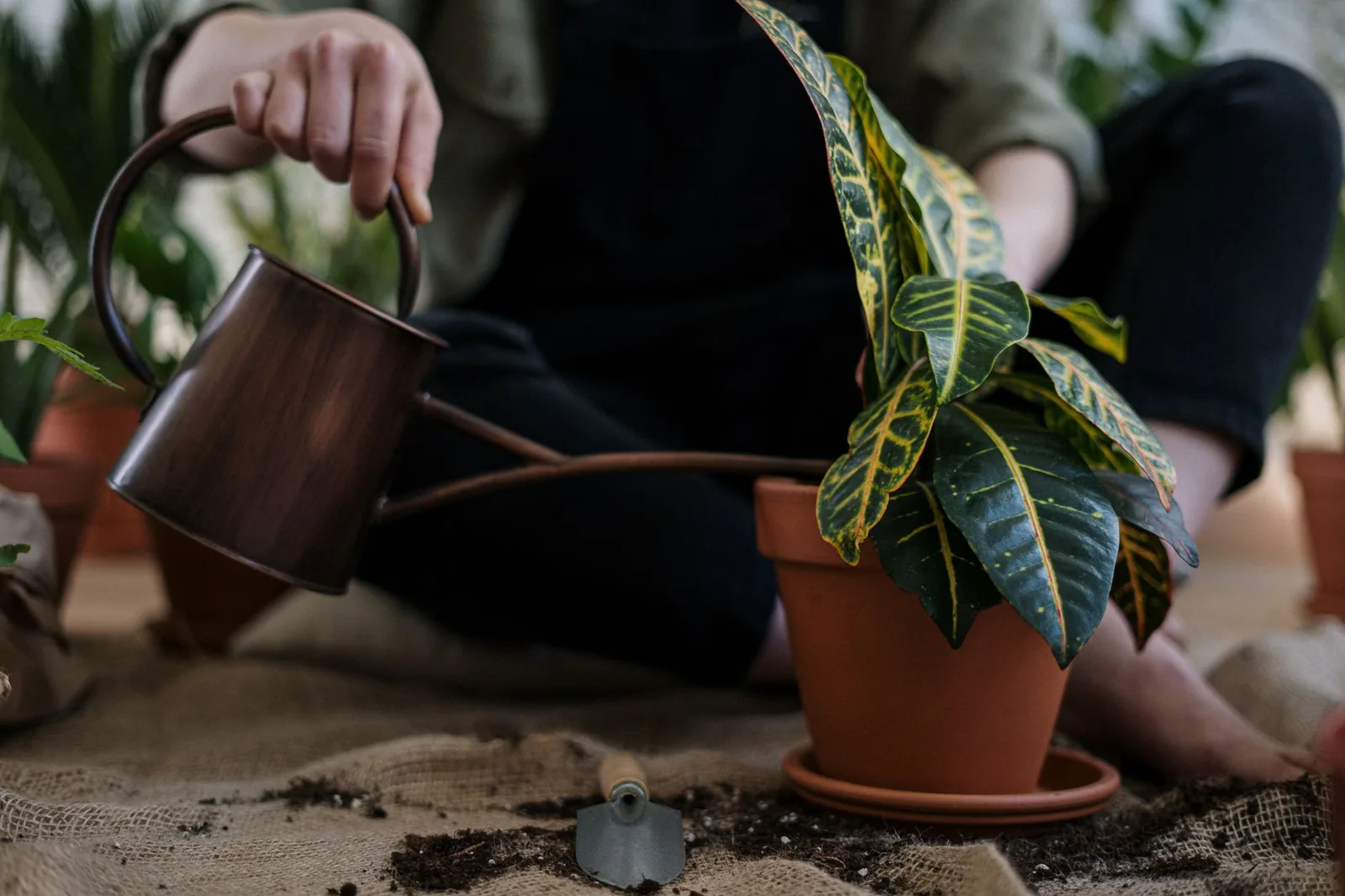
Copper is a trace mineral, meaning plants need it in very small amounts. But “very small” doesn’t mean unimportant.
Copper activates more than a dozen enzymes that drive critical plant processes from building cell walls to forming chlorophyll. When it’s missing, the whole system slows down. When it’s present at the right level, plants are visibly stronger and more disease-resistant.
The key word is dilution. Copper becomes toxic to plants at high concentrations, so every method below uses specific ratios that keep you in the safe zone.
1. Prevent Fungal Diseases Like Powdery Mildew
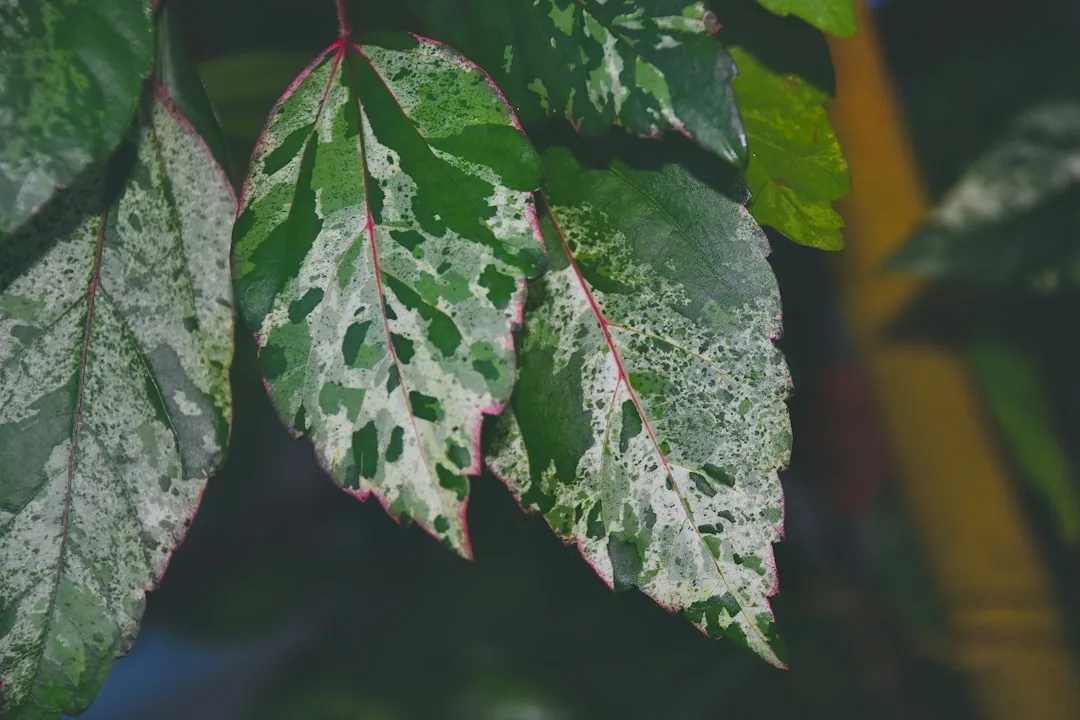
Copper has been used as a fungicide since the 1800s the famous Bordeaux mixture is a copper sulfate solution still used in organic farming today.
A diluted copper water spray disrupts fungal spore germination on leaf surfaces without harming the plant tissue underneath.
What it treats: Powdery mildew, downy mildew, early blight, leaf spot, and black spot on roses.
How it works: Copper ions interfere with fungal enzyme activity, preventing spores from establishing and spreading.
How to make and apply a copper fungicide spray:
- Dissolve ¼ teaspoon of food-grade copper sulfate crystals in 1 gallon (3.8 L) of water.
- Add 1 teaspoon of liquid soap to help the solution stick to leaves.
- Pour into a spray bottle or garden sprayer.
- Apply to the tops and undersides of leaves in the early morning.
- Repeat every 710 days during humid conditions or active fungal outbreaks.
- Stop application once symptoms clear, then resume preventatively once a month.
I use food-grade copper sulfate crystals from Amazon a tiny amount dissolved in water provides the trace copper your plants need without overdoing it. View on Amazon
Just like hydrogen peroxide on plants works as an oxidative treatment for surface pathogens, copper water targets fungal threats at the cellular level. Both are worth having in your natural plant-care toolkit. You might also find that garlic water pairs well with copper sprays for a multi-layered approach to fungal prevention.
2. Strengthen Plant Cell Walls and Stems
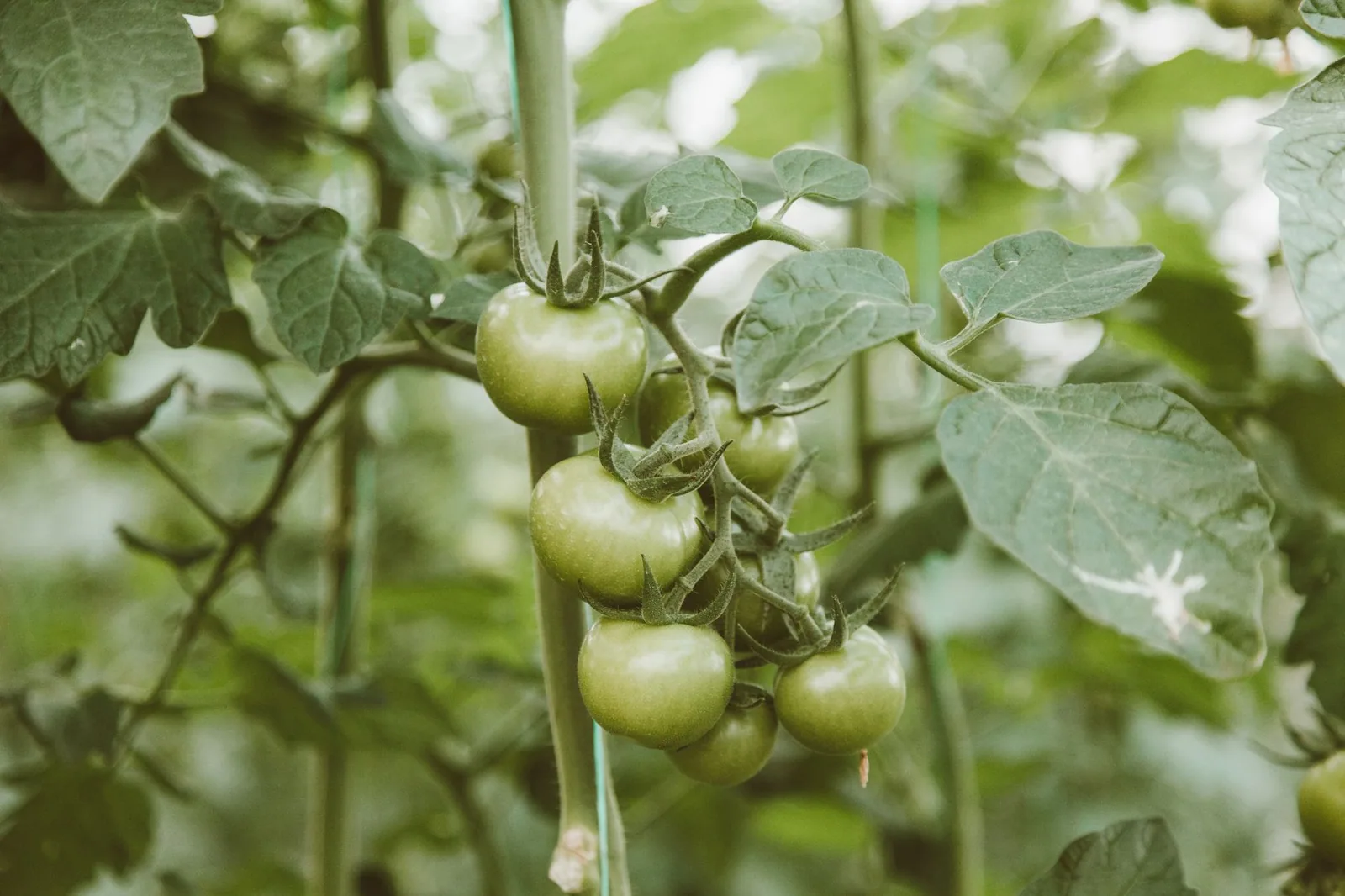
If your plants look floppy, weak-stemmed, or prone to snapping in light wind, copper deficiency could be a contributing factor.
Copper plays a direct role in lignin synthesis the process that hardens and strengthens plant cell walls. Without enough copper, cells stay soft and structurally weak.
What it improves: Stem rigidity, resistance to physical damage, and the plant’s ability to stand upright without staking.
What causes the deficiency: Sandy or highly acidic soils, peat-heavy mixes, and soils with excess phosphorus or zinc can all lock out copper.
How to apply copper water as a stem-strengthening drench:
- Dissolve …› teaspoon of copper sulfate in 1 gallon (3.8 L) of water.
- Water your plant at the base with this solution do not splash leaves.
- Apply once every 3 – 4 weeks during the active growing season.
- Observe stems over 2 – 3 weeks; improvement should be visible in new growth.
- Do not exceed one soil drench per month copper accumulates in soil over time.
3. Boost Chlorophyll Production in Pale Leaves
![Pale yellowing plant leaves showing copper deficiency before treatment]
Pale, washed-out leaves that aren’t caused by overwatering or nitrogen deficiency sometimes point to a copper shortfall.
Copper is involved in chloroplast development and the enzymatic reactions that build chlorophyll. Without it, leaves can’t produce the green pigment they need to photosynthesize efficiently.
What it looks like: New leaves emerge pale green or yellowish. Older leaves may show a blue-green tint before yellowing. Leaf edges may curl or wilt despite adequate watering.
What it treats: Chlorosis linked to copper deficiency, particularly in fast-draining or heavily fertilized soils.
How to apply a foliar copper spray for pale leaves:
- Mix …› teaspoon of copper sulfate per 1 gallon (3.8 L) of water.
- Spray directly onto pale leaves, covering both surfaces.
- Apply in the morning so leaves dry before nightfall.
- Repeat once every 2 weeks for up to 6 weeks.
- If no improvement after 6 weeks, rule out other causes (iron, magnesium).
4. Correct Copper Deficiency Symptoms
![Plant with twisted wilting new growth showing signs of copper deficiency]
Copper deficiency has a specific pattern that’s easy to identify once you know what to look for.
It almost always shows up in the newest growth first the growing tips and young leaves because copper is not easily moved from old tissue to new tissue inside the plant.
Classic deficiency signs:
- Young leaves that are wilted, twisted, or bluish-green
- Growing tips dying back (tip dieback)
- Reduced flowering or fruit set
- Pale, limp stems on new shoots
Unlike major nutrients like nitrogen, copper deficiency often goes undiagnosed for months. If you’ve been adding banana peel water for potassium and general micronutrients but still see tip dieback, copper may be the missing piece.
How to treat confirmed copper deficiency:
- Confirm the deficiency by ruling out overwatering and other nutrient gaps first.
- Mix ¼ teaspoon of copper sulfate in 1 gallon (3.8 L) of water.
- Apply as a foliar spray to all affected foliage.
- Simultaneously water the root zone with the same diluted solution.
- Repeat after 1 – 4 days if symptoms persist.
- Once new growth looks healthy, reduce to a monthly preventative dose.
5. Improve Root Development in Seedlings
![Seedling tray with healthy root development after copper water treatment]
Copper plays a role in root elongation and the formation of fine root hairs the tiny structures responsible for most water and nutrient uptake.
Seedlings started in peat-heavy or sterile seed-starting mixes are especially vulnerable to copper gaps because these mixes contain almost no natural minerals.
Why it matters: Strong root development in the first few weeks sets the trajectory for the entire plant’s life. A seedling with dense, healthy roots will establish faster after transplanting and handle stress better.
Compared to banana peel water for plants, which provides potassium to support overall root function, copper targets the structural side of root growth the actual elongation and branching of root tissue.
How to use copper water for seedling root development:
- Mix a very dilute solution: …› teaspoon copper sulfate per 2 gallons (7.6 L) of water.
- Use this solution to water seedlings once after germination (at the 2-leaf stage).
- Repeat once more at the 4-leaf stage before transplanting.
- Do not apply more than twice during the seedling phase young roots are sensitive.
- Ensure seedlings are in well-draining mix to prevent copper pooling at the roots.
6. Enhance Enzyme Activation for Nutrient Uptake
Copper is a cofactor for at least 1 – 2 plant enzymes, including those involved in nitrogen metabolism, iron uptake, and carbohydrate processing.
In practical terms, this means that even if your soil has plenty of nitrogen, phosphorus, and potassium, a copper gap can act like a bottleneck slowing down the entire nutrient-use process.
Think of it like rice water for plants: the benefit isn’t always direct feeding it’s about creating the right conditions for your plant to use what’s already available.
Best candidates for enzyme-support applications: Heavy-feeding vegetables (tomatoes, peppers, squash), fruiting trees, and any plant that looks sluggish despite regular fertilizing.
How to apply copper water for enzyme support:
- Dissolve …› teaspoon of copper sulfate in 1 gallon (3.8 L) of water.
- Apply as a soil drench around the base of the plant not as a foliar spray for this purpose.
- Water in well after application to distribute copper through the root zone.
- Use once at the start of the growing season and once at mid-season.
- Do not combine with high-phosphorus fertilizers on the same day phosphorus competes with copper uptake.
7. Support Pollen Formation in Flowering Plants
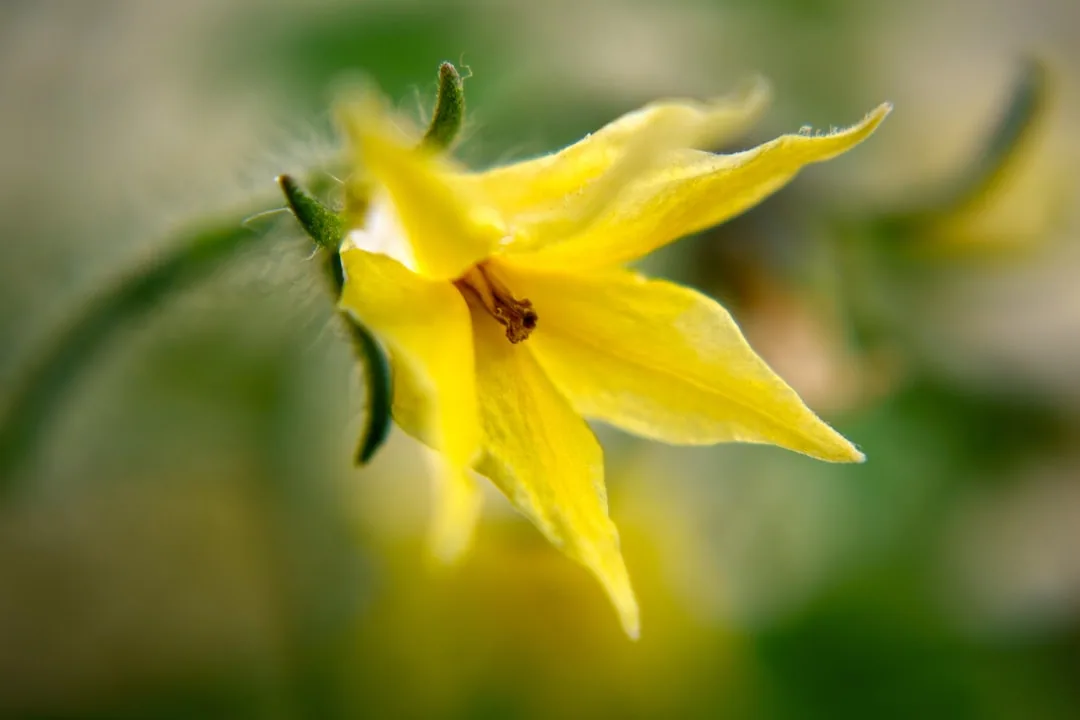
Copper is essential for pollen viability and the development of reproductive tissues in flowering plants.
Plants that are copper-deficient often produce fewer flowers, or flowers that fail to set fruit a frustrating problem that looks like a pollination issue but is actually a nutrition issue.
Symptoms: Poor fruit set despite visible flowering, flowers that drop before setting, or misshapen fruit in vegetables like tomatoes and peppers.
Best timing: Apply copper water in the weeks before flowering begins, not after copper needs to be present during the early stages of flower bud development.
How to apply copper water to support flowering:
- Mix ¼ teaspoon of copper sulfate in 1 gallon (3.8 L) of water.
- Begin foliar applications 2 – 3 weeks before your plant’s typical flowering period.
- Spray the entire plant, focusing on new growth and developing buds.
- Apply every 1014 days until flowers begin to open.
- Stop foliar spraying once flowers are fully open to avoid disrupting pollinators.
- You can continue soil drenches at half-strength throughout the fruiting period.
Quick Reference: Copper Water Uses at a Glance
| Use | Dilution Rate | Application Method | Frequency |
|---|---|---|---|
| Fungal disease prevention | ¼ tsp per 1 gal | Foliar spray | Every 710 days |
| Stem strengthening | …› tsp per 1 gal | Soil drench | Once per month |
| Chlorophyll boost | …› tsp per 1 gal | Foliar spray | Every 2 weeks (6 weeks max) |
| Deficiency correction | ¼ tsp per 1 gal | Foliar + drench | Every 1 – 4 days until resolved |
| Seedling root development | …› tsp per 2 gal | Soil drench | Twice during seedling phase |
| Enzyme activation | …› tsp per 1 gal | Soil drench | Twice per growing season |
| Pollen/flower support | ¼ tsp per 1 gal | Foliar spray | Every 1014 days pre-flower |
When NOT to Use Copper Water on Plants
Copper is genuinely useful but it’s also one of the easier micronutrients to overdo.
Avoid copper water if:
- Your soil has been treated with copper-based fungicides repeatedly over multiple seasons. Copper accumulates and becomes toxic to earthworms and beneficial soil microbes.
- You’re growing acid-loving plants in already-acidic soil. Low pH increases copper availability, so your plants may already be at the upper limit.
- You’re treating seedlings younger than the 2-leaf stage. Young roots are extremely sensitive to copper toxicity.
- You’ve recently applied a high-phosphorus fertilizer. Excess phosphorus binds copper and can cause an imbalance if you then add more copper on top.
Signs of copper toxicity in plants:
- Brown leaf tips and margins
- Stunted root growth
- Yellowing that spreads from older leaves upward
- Wilting despite adequate moisture
If you suspect toxicity, flush the soil thoroughly with plain water over several days and hold all copper applications for at least 6 – 8 weeks.
I pair copper water with a balanced liquid kelp fertilizer from Amazon to ensure my plants get all their micronutrients, not just copper kelp provides a broad spectrum of trace elements that keeps everything in balance. View on Amazon
How to Prevent Copper Problems in Your Garden
- Always measure never estimate. Copper is effective in tiny amounts. Use a proper measuring spoon and stick to the dilution rates above; guessing leads to overdose.
- Test your soil before starting. A basic soil test will tell you whether copper is genuinely deficient or already adequate. Treating a non-deficiency wastes product and risks buildup.
- Rotate your natural treatments. Don’t apply copper water every week year-round. Alternate with other natural treatments to give soil biology time to recover between applications.
- Use food-grade or horticultural copper sulfate only. Industrial-grade copper sulfate contains impurities that can harm soil health. Always source food-grade or horticultural-grade product.
- Apply in the morning. Morning application gives leaves time to dry before evening, reducing the risk of fungal issues that can ironically develop under wet foliage.
- Flush soil seasonally. At the end of each growing season, water your beds heavily with plain water to leach any accumulated copper before it reaches toxic levels.
- Finish with neem oil for all-around plant protection. After addressing copper needs, a monthly neem oil spray (2 tsp neem oil + 1 tsp liquid soap per 1 quart of water) covers pest and fungal threats that copper alone won’t address giving your plants comprehensive protection.
The Bottom Line
Copper water is one of the most underrated tools in natural plant care. Used correctly, it prevents fungal disease, strengthens stems, supports flowering, and fills a micronutrient gap that often goes unnoticed for months.
The key is dilution and restraint. Copper works at very low concentrations the ratios in this post are designed to keep you in the beneficial range, not the toxic one.
The single most important thing to remember: more is not better with copper. Stick to the dilution rates, apply on a schedule rather than continuously, and your plants will get everything they need without the risk of buildup.
Related Posts:
- Hydrogen Peroxide on Plants: 1 – 1 Uses & Mixing Ratios
- Soaking Banana Peels in Water for Plants
- Using Rice Water on Plants
- Banana Peel Water for Plants
- Watering Plants with Aquarium Water
Related Articles
Pepper leaves curling? Learn the 7 most common causes — from underwatering and heat stress to aphids and viral disease — plus step-by-step fixes to help your plants recover fast.
Pepper Leaves Turning Yellow: Why It Happens and How to Fix It
Pepper plant leaves turning yellow? Learn the 7 most common causes — from nitrogen deficiency to overwatering — and get specific, actionable fixes to bring your pepper plants back to health.