
You finish your morning cup, and there they are a heap of damp coffee grounds sitting in the filter. Before you toss them in the bin, you’ve probably wondered: can I use these on my plants? Maybe you’ve heard it’s great for the garden, or maybe someone warned you off it entirely.
The truth is, both camps have a point and knowing the difference between the two will save your plants a lot of stress.
Coffee grounds can benefit your plants when used correctly they add organic matter to soil, attract earthworms, feed soil microbes, provide a slow release of nitrogen, and may deter certain pests. But used in the wrong amounts or on the wrong plants, they can acidify your soil too much, compact around roots, and actually suppress growth. The good news is that once you understand the simple rules, coffee grounds are one of the easiest free soil amendments you’ll ever use.
This post covers every benefit, every risk, and exactly how to apply coffee grounds so you get the good without the bad. Whether you’re sprinkling them on a raised bed or stirring them into a potting mix, you’ll know exactly what you’re doing by the end.
Why Do Gardeners Use Coffee Grounds?
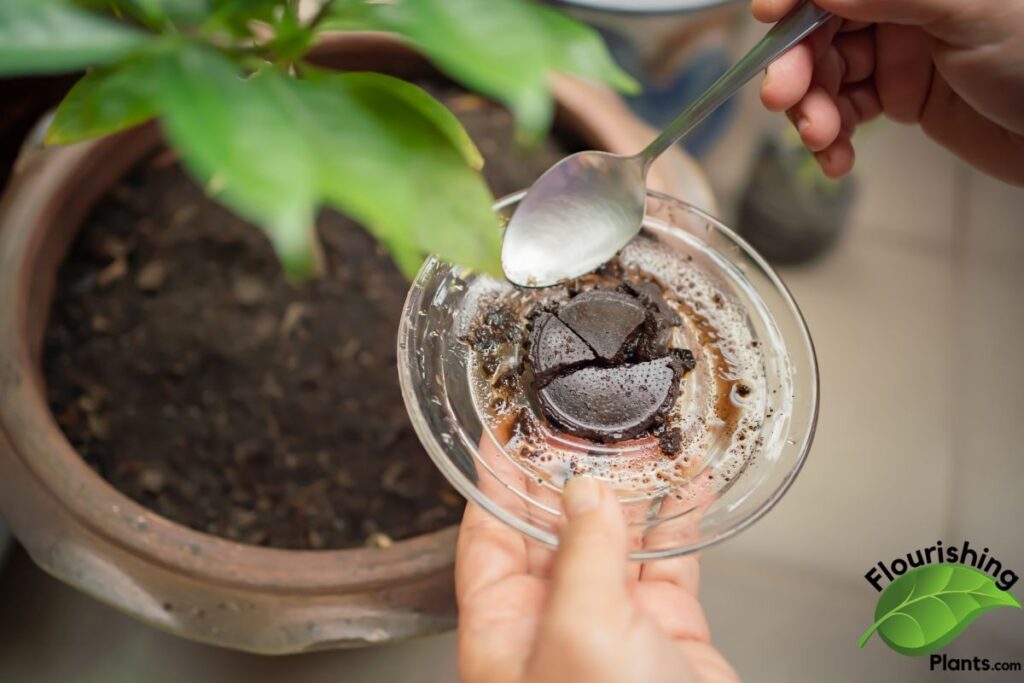
Coffee grounds have become a popular kitchen-to-garden amendment for a simple reason: they’re free, widely available, and they genuinely do offer a handful of real benefits. Used coffee grounds contain a small but meaningful amount of nitrogen around 2% by weight along with traces of potassium, phosphorus, and magnesium.
They also have a slightly acidic pH (usually between 6.0 and 6.5 once brewed, which is actually much closer to neutral than most people think). That mild acidity makes them useful for a narrow group of plants, but it also means they’re not a universal fix.
The most important thing to understand is that coffee grounds are a soil amendment, not a fertiliser. Think of them the way you’d think of using rotted wood as a soil amendment they improve soil structure and feed microbial life over time, rather than delivering an instant nutrient hit.
1. Adding Organic Matter & Improving Soil Structure
Used coffee grounds break down over time and add organic matter to your soil. This improves drainage in heavy clay soils and helps sandy soils retain more moisture essentially pulling both extremes toward the middle.
What it does: As the grounds decompose, they feed beneficial soil microbes and fungi. A more active microbial community means nutrients are broken down and made available to your plant roots more efficiently.
Best for: In-ground garden beds, raised beds, and container plants that need improved drainage or aeration.
How to apply: Work 1 – 2 cups of used coffee grounds per square foot of soil to a depth of about 2 – 3 inches. Mix thoroughly rather than leaving them on the surface, and do this no more than once every 4 – 6 weeks to avoid build-up.
2. Slow-Release Nitrogen Boost
Nitrogen is what drives lush, green leafy growth and coffee grounds deliver it slowly as they break down. At roughly 2% nitrogen by dry weight, they won’t overwhelm your plants the way synthetic fertilisers can, which makes them a gentler option.
What they do: As soil microbes decompose the grounds, they gradually release nitrogen into the soil in a form plants can absorb. This slow-release action is similar to what you get from other organic kitchen amendments like molasses for plants, which also feeds soil biology rather than the plant directly.
Best for: Heavy feeders like tomatoes, leafy greens, peppers, and roses.
How to apply: Mix ½ cup of used grounds into the top inch of soil around each plant, or blend them into your compost pile at a ratio of no more than 2 – 0% grounds to 8 – 0% other organic material. Apply every 6 – 8 weeks during the growing season.
3. Attracting Earthworms
If you want healthy soil long-term, earthworms are your best allies. They aerate the soil as they move through it, and their castings are one of the most nutrient-dense organic fertilisers you can find.
What it does: Earthworms are genuinely attracted to coffee grounds. Studies and countless gardener observations confirm that adding grounds to a bed or compost pile increases worm activity which in turn improves everything else about your soil.
Best for: Any garden bed or compost bin where you want to encourage worm populations.
How to apply: Scatter 1 – 2 tablespoons of used grounds on the soil surface near plant roots once a week, or add a generous handful to your worm bin or compost pile. Don’t overdo it too much at once can make the environment too acidic even for worms.
4. Pest Deterrence
Coffee grounds are often recommended as a natural deterrent for slugs, snails, and cats. The evidence on slugs is genuinely mixed some gardeners swear by it, others don’t notice a difference but the abrasive texture and strong scent do appear to deter soft-bodied pests at close range.
What they do: The rough texture is uncomfortable for slugs and snails to crawl across. The caffeine may also be mildly toxic to them in direct contact. For cats, the strong smell tends to discourage them from using garden beds as a toilet.
Best for: Any bed where slugs, snails, or neighbourhood cats are a recurring problem.
How to apply: Create a thin ring of dry coffee grounds no more than ¼ inch thick around the base of vulnerable plants or along bed borders. Refresh the ring every 5 – 7 days, especially after rain. Avoid building up a thick layer, as it can crust over and repel water.
5. Acidifying Soil for Acid-Loving Plants
Here’s where coffee grounds have earned their most enthusiastic fanbase. Acid-loving plants blueberries, azaleas, rhododendrons, camellias, and gardenias prefer a soil pH between 4.5 and 6.0. If your soil is naturally alkaline, coffee grounds can help nudge it in the right direction.
What they do: Used coffee grounds measure around pH 6.0 – 6.5, which is mildly acidic. Applied consistently over time, they gradually lower soil pH. This makes nutrients like iron and manganese more available, which prevents yellowing in acid-loving plants.
Best for: Blueberries, azaleas, rhododendrons, hydrangeas (blue colour enhancement), gardenias, and ferns. If you’re also growing succulents and wonder whether they tolerate coffee grounds, take a look at this guide on using coffee grounds on succulents the answer is more nuanced than you’d expect.
How to apply: Work ½1 cup of used grounds into the top 2 inches of soil around each plant, once a month during the growing season. Always test your soil pH first with an inexpensive test kit, and aim to keep the pH no lower than 4.5 for most acid-lovers.
The Risks: When Coffee Grounds Cause Problems
Coffee grounds aren’t right for every plant or every situation. Here’s what can go wrong:
They can over-acidify sensitive soil. If your soil is already at the right pH for most vegetables (6.0 – 7.0), repeatedly adding grounds will push it too low. Tomatoes, peppers, and most herbs don’t want their pH below 6.0.
A thick layer will compact and repel water. Coffee grounds are fine-textured. If you pile them on the surface, they form a crust that water beads off rather than penetrating. Always mix them in.
Fresh, unbrewed grounds are stronger. Used grounds (post-brew) have had a lot of their acidity and caffeine washed out. Unbrewed grounds are more acidic and more potent don’t apply them directly to soil unless you know your pH needs a significant drop.
Some plants dislike them altogether. Tomatoes, lavender, clovers, geraniums, and most native plants are sensitive to excess acidity. Keep coffee grounds away from these.
Quick Reference: Coffee Grounds at a Glance
| Use | Amount | Frequency | Best For |
|---|---|---|---|
| Soil amendment | 1 – 2 cups per sq ft, mixed in | Every 4 – 6 weeks | All garden beds |
| Nitrogen boost | ½ cup per plant, top inch | Every 6 – 8 weeks | Tomatoes, greens, roses |
| Earthworm attraction | 1 – 2 tbsp surface scatter | Weekly | Beds & compost bins |
| Pest deterrence | ¼ inch ring around plants | Every 5 – 7 days | Slugs, snails, cats |
| Soil acidification | ½1 cup per plant, mixed in | Monthly, growing season | Blueberries, azaleas |
How to Prevent Problems With Coffee Grounds
1. Always test your soil pH before you start. A cheap test kit from any garden centre will tell you whether your soil actually needs acidifying. If you’re already at 6.0 – 6.5, hold back on regular applications and use grounds in compost instead.
2. Never apply in thick layers. A crust of dry coffee grounds on the soil surface will repel water and starve roots. Always mix them in or keep surface applications to a thin scatter (¼ inch maximum).
3. Compost them first when in doubt. Adding grounds to your compost pile is the safest route for any soil type. The composting process balances the pH, breaks down the caffeine, and integrates them into a neutral, nutrient-rich amendment.
4. Use them as part of a balanced amendment routine. Coffee grounds work best alongside other organic inputs. Consider combining them with rice water on plants for feeding, or watering with collected rainwater to keep mineral build-up in check.
5. Finish with a diluted neem oil drench. Any time you’re amending soil and stirring things up, it’s a good time to apply a light neem oil soil drench to prevent fungus gnats and soil pests from taking advantage. Mix 2 teaspoons of neem oil and a few drops of dish soap into 1 litre of water, and water it around the base of your plants. For succulents specifically, check out this full guide on using neem oil on succulents before you apply.
The Bottom Line
Coffee grounds are genuinely useful in the garden but they’re a tool, not a cure-all. The gardeners who run into problems are almost always those who apply them too heavily, too often, or on the wrong plants. Used with a bit of intention, they’re one of the best free amendments your kitchen produces.
The key is to mix them in rather than pile them on, use them on plants that actually welcome a bit of acidity, and rotate them into your compost if you’re not sure. A soil pH test costs next to nothing and will tell you everything you need to know about how often to reach for those grounds.
If you’re experimenting with other natural amendments alongside your coffee grounds, it’s worth reading about how hydrogen peroxide benefits your plants it’s another kitchen-accessible product that can support root health and prevent fungal issues when used at the right dilution.
The single most important rule: a little coffee in your soil is a gift, but a lot is a problem when in doubt, add less, compost the rest, and let your soil tell you what it needs.
Related Posts:
- Using Coffee Grounds on Succulents: What it Actually Does
- Molasses For Plants: 5 Benefits & Drawbacks Explained
- Using Rotted Wood as Soil Amendment: The Benefits Explained
- Using Rice Water on Plants: The Benefits Explained
- Using Hydrogen Peroxide on Plants: 1 – 1 Uses & Mixing Ratios
Related Articles
Pepper leaves curling? Learn the 7 most common causes — from underwatering and heat stress to aphids and viral disease — plus step-by-step fixes to help your plants recover fast.
Pepper Leaves Turning Yellow: Why It Happens and How to Fix It
Pepper plant leaves turning yellow? Learn the 7 most common causes — from nitrogen deficiency to overwatering — and get specific, actionable fixes to bring your pepper plants back to health.