
You walk outside on a summer afternoon and your tomato plants look like they’ve completely given up leaves drooping, stems sagging, the whole plant looking defeated. It’s a worrying sight, especially when you’ve put weeks of work into growing them.
Tomato plants wilt from underwatering, overwatering, root rot, Fusarium or Verticillium wilt disease, transplant shock, or pest damage to roots and stems. Most causes are fixable with proper watering schedules, soil drainage improvements, disease-resistant varieties, and targeted treatments catching the problem early makes all the difference.
From my years of growing tomatoes in containers and raised beds, I’ve seen every type of wilt imaginable. The tricky part is that so many of these causes look identical at first glance a drooping plant could be thirsty or drowning, and treating it wrong only makes things worse.
That’s exactly why identifying the root cause before you act is so important. Let’s walk through every likely culprit and what to do about each one.
Why Is My Tomato Plant Wilting? The Main Causes
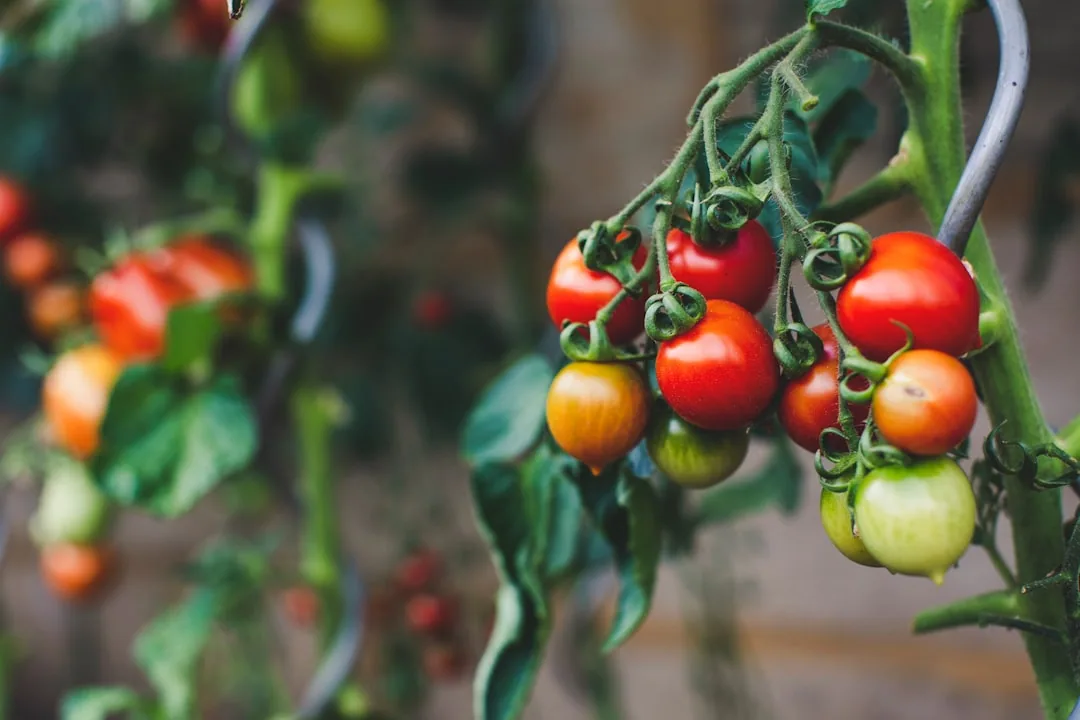
Tomato wilting comes down to one simple principle: the plant isn’t getting enough water to its cells. But the reason it’s not getting water is where things branch out.
The cause might be a lack of water in the soil, too much water drowning the roots, a fungal disease blocking the vascular system, or insects feeding on the plant’s root system. Each one requires a completely different fix which is why reading the signs carefully matters.
Underwatering
This is the most common reason tomatoes wilt, especially during hot summer months.
Tomatoes are heavy drinkers. In peak summer heat, a mature plant in a container can need watering once sometimes twice a day. If the soil dries out too far, the plant loses more water through its leaves than the roots can absorb, and wilting follows fast.
How to identify it:
The soil will be dry an inch or two below the surface. Leaves will look dull and slightly crispy at the edges. The whole plant will droop uniformly not just one side or one branch.
The fix:
Water deeply and slowly at the base of the plant. Avoid splashing the foliage. Within a few hours of a thorough watering, you should see the plant begin to recover.
If your pots or raised beds are drying out unusually fast, it’s worth reading about why plant soil dries out too fast there are several contributing factors that are easy to fix with the right amendments.
For keeping my soil at the perfect moisture levels I use this soil moisture meter. It is both cost-effective and durable. Best of all, it also measures pH and light.

Overwatering and Root Rot
Counterintuitively, overwatered tomatoes look almost identical to underwatered ones and that’s what makes this so easy to get wrong.
When soil stays waterlogged, roots are deprived of oxygen and begin to rot. Rotted roots can’t transport water to the rest of the plant, so the leaves and stems wilt even though the soil is saturated.
How to identify it:
The soil will feel wet or soggy. Leaves may turn yellow before drooping. If you gently slide the plant out of its pot, you may notice dark, mushy roots with an unpleasant smell rather than firm white ones.
If water is pooling on the surface of your soil and not draining through, that’s a drainage problem worth addressing directly check out this post on water sitting on top of soil for practical fixes.
The fix:
Stop watering immediately and let the soil dry out. Improve drainage by amending with perlite (aim for roughly 2030% perlite by volume in container mixes). If root rot has already set in, remove the plant, trim away all blackened roots with sterilized scissors, and repot into fresh, well-draining soil.
Tip:
To help prevent root rot and sterilize the soil after a rot event, a diluted hydrogen peroxide solution works well. A mix of 3% hydrogen peroxide at a 1:4 ratio with water one part H‚‚O‚‚ to four parts water poured gently into the root zone kills anaerobic bacteria and adds oxygen to the soil. Learn more about using hydrogen peroxide for plants and the full range of applications.
Fusarium and Verticillium Wilt (Fungal Disease)
These two soil-borne fungal diseases are the most serious causes of tomato wilting and the hardest to reverse once established.
Both Fusarium and Verticillium wilt work by invading the plant’s vascular tissue, physically blocking the channels that carry water from roots to leaves. No amount of watering will fix this because the problem is internal.
How to identify it:
Look for wilting that starts on one side of the plant or on lower leaves first, then progresses upward. A key diagnostic test: slice a stem near the base and look at the cross-section. A brown or tan discoloration inside the stem is a strong indicator of Fusarium or Verticillium wilt.
Fusarium wilt tends to affect plants unevenly often one side wilts first. Verticillium wilt usually causes a V-shaped yellow lesion at leaf margins before wilting sets in.
The fix: Unfortunately, once these diseases take hold, there’s no chemical cure that reverses the damage. Remove and destroy infected plants do not compost them. Rotate your tomato crops and avoid planting in the same soil for at least three years.
Prevention is everything here. Look for tomato varieties labeled F (Fusarium resistant) or V (Verticillium resistant) on the seed packet or plant tag. These bred-in resistances are your best long-term defense.
Bacterial Wilt
Bacterial wilt (Ralstonia solanacearum) is another vascular disease but moves faster and more aggressively than Fusarium or Verticillium.
How to identify it:
Plants may wilt suddenly and completely often without any yellowing first. A simple field test: cut a wilted stem, submerge both ends in a glass of water, and look for a white, milky bacterial ooze streaming from the cut end. If you see that, bacterial wilt is almost certainly the cause.
The fix:
Same as fungal wilt remove infected plants, improve drainage (bacterial wilt thrives in wet, warm soil), and rotate crops. There are no effective chemical treatments once a plant is infected.
Transplant Shock
If your tomato plants wilted shortly after being moved into the ground or into a new pot, transplant shock is the likely explanation.
When roots are disturbed during transplanting, the plant temporarily loses its ability to absorb water efficiently. The result is wilting that can last anywhere from a few hours to several days.
How to identify it:
Wilting began directly after transplanting. The soil is moist and there are no other obvious signs of disease or pests.
The fix:
Keep the plant consistently moist (not soggy) and out of direct afternoon sun for the first week. Avoid fertilizing immediately after transplanting it stresses the roots further. Most plants bounce back within 5 – 7 days with minimal intervention.
Pest Damage to Roots and Stems
Certain pests can cause wilting by damaging either the roots or the water-conducting tissue in the stem.
Root pests:
Nematodes (microscopic roundworms) attack the root system, forming small galls or knots. Heavily infested plants can’t absorb water effectively. Wireworms and grubs can also damage roots enough to cause wilting.
Stem pests:
Tomato stem borers and cutworms bore into or sever stems close to the soil line, cutting off water transport directly. A plant suddenly wilting with no apparent soil issue should always be checked at the base of the stem.
How to identify it:
Check the soil around the roots for galls or grubs. Inspect the stem at soil level for entry holes, sawdust-like frass, or a clean-cut sever.
Aphid and whitefly infestations won’t directly cause wilting, but a severe infestation stresses the plant significantly and can cause plant leaves to curl and distort before broader wilting follows. Heavy pest feeding can also leave behind sticky residue on leaves a reliable sign of sucking insect activity.
The fix:
For nematodes, incorporate neem cake or marigolds as companion plants in future seasons (both are proven nematode deterrents). For stem borers, remove and destroy infected stems. For cutworm prevention, place a cardboard or foil collar around the base of young transplants.
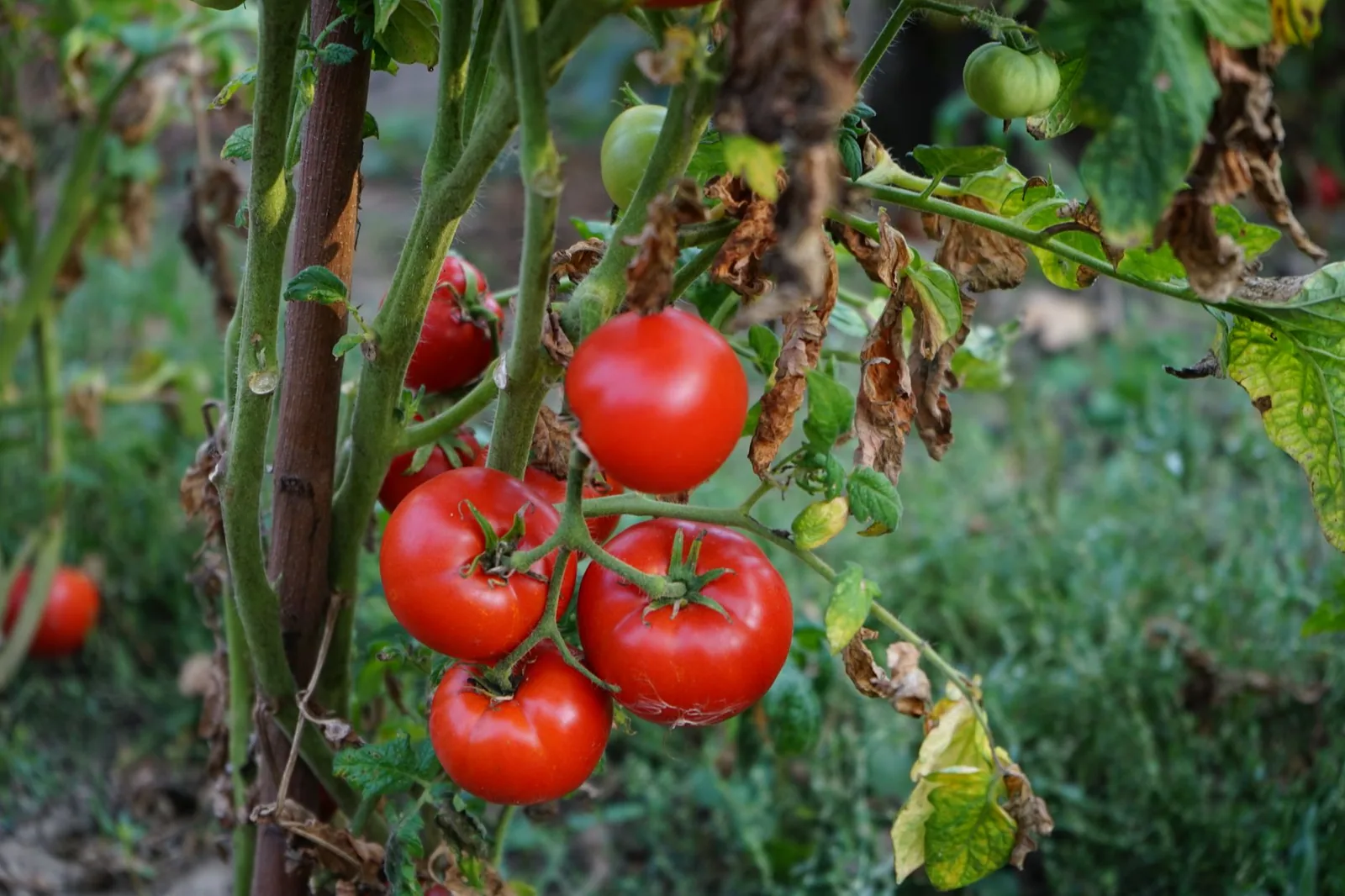
How to Identify the Cause
Before reaching for any treatment, run through this quick checklist:
- Check the soil moisture is it bone dry, moist, or waterlogged?
- Look at the pattern of wilting is it the whole plant, one side, lower leaves only, or near the soil line?
- Cut a stem any internal discoloration suggests fungal or bacterial disease.
- Inspect the base and roots look for pest damage, galls, or rot.
- Consider timing did wilting begin after transplanting, after a dry spell, or after heavy rain?
Quick Reference Diagnosis Table
| Cause | Visual Pattern | Solution |
|---|---|---|
| Underwatering | Uniform droop, dry soil, dull leaves | Water deeply, mulch soil, check drainage |
| Overwatering / Root Rot | Yellow leaves, soggy soil, mushy roots | Improve drainage, trim roots, repot |
| Fusarium Wilt | One-sided wilt, brown inside stem | Remove plant, rotate crops, use resistant varieties |
| Verticillium Wilt | V-shaped yellow leaf lesions, browning inside stem | Remove plant, rotate crops |
| Bacterial Wilt | Sudden total collapse, bacterial ooze in stem | Remove plant, improve drainage, rotate crops |
| Transplant Shock | Wilting after repotting, moist soil | Reduce sun, maintain moisture, no fertilizer yet |
| Root/Stem Pests | Base damage, root galls, stem entry holes | Remove pests, use neem, add protective collars |
Prevention: Keep Wilting From Coming Back
Once you’ve addressed the current problem, a few consistent habits will protect your plants going forward.
Water consistently and at the base.
Tomatoes prefer deep, infrequent watering over frequent shallow sprinkles. Aim for about 1 – 2 inches per week (more in containers and during heat waves), always delivered at soil level to keep foliage dry.
Mulch generously.
A 2 – 3 inch layer of straw or wood chip mulch around the base of your plants reduces soil temperature, slows evaporation, and keeps moisture levels more consistent between waterings. This single habit cuts down wilting from heat stress dramatically.
Choose resistant varieties.
When buying tomato seeds or seedlings, look for the letters V, F, N, or T on the label these indicate resistance to Verticillium, Fusarium, nematodes, and tobacco mosaic virus respectively.
Rotate crops every season.
Never plant tomatoes in the same bed two years running. A three-year rotation cycle prevents soil-borne diseases from building up to damaging levels.
Keep pests in check proactively.
I keep cold-pressed neem oil from Amazon on hand for prevention a light spray every two weeks stops aphids, whiteflies, and early fungal issues before they stress your plants. Mix 2 teaspoons of neem oil concentrate with 1 teaspoon of dish soap per quart of water and spray the whole plant, including the undersides of leaves, in the early morning or evening.
If you want a perfect organic remedy for getting rid of worms that may be damaging your precious plants and veggies, then the Garden Safe neem oil extract will do the trick.

When to Worry
Most wilting cases are recoverable if caught early. But a few situations signal that the plant may be beyond saving:
- The entire plant wilts and collapses suddenly with no water-related cause
- Internal stem tissue is dark brown all the way to the crown
- Roots are completely black and mushy with no white healthy tissue remaining
- The plant hasn’t improved at all within 5 – 7 days of corrective watering
In these cases, remove the plant to prevent the spread of disease to healthy plants nearby. Bag it and dispose of it don’t add it to your compost pile.
Frequently Asked Questions
Why do tomato plants wilt in the heat of the day but recover at night?
This is often normal. On very hot days, tomato plants transpire water faster than their roots can replace it during peak heat. If the plant looks healthy by morning, it’s not a true wilt just temporary heat stress. Mulching and deep watering in the morning helps reduce it.
Can a wilting tomato plant be saved?
In most cases, yes especially if the cause is underwatering, overwatering, or transplant shock. Disease-related wilting (Fusarium, Verticillium, bacterial wilt) is harder to reverse once established, but even then, catching it early can sometimes save part of the plant.
How often should I water tomato plants?
In the ground, tomatoes generally need 1 – 2 inches of water per week, split over 2 – 3 waterings. In containers, daily watering is often necessary during hot weather. Always check soil moisture an inch below the surface before watering.
Should I remove wilted leaves from my tomato plant?
If the leaves have wilted due to disease and are showing yellowing, browning, or spots, yes remove and dispose of them. If the leaves wilted due to heat or temporary water stress and are otherwise healthy, they’ll recover on their own.
Does wilting always mean the plant is diseased?
Not at all. The majority of wilting cases are caused by watering issues, not disease. Start with the simplest explanation check soil moisture before assuming the worst.
The Bottom Line
Tomato plant wilting is one of those problems that looks alarming but is often very straightforward to fix. Start with the basics: check your soil moisture, look at the pattern of wilting, and inspect the stem and roots before doing anything else.
Watering issues too much or too little are behind the majority of wilted tomato plants. Improve your watering habits, add mulch, and make sure drainage is working properly and most plants will bounce back quickly.
For disease-related wilting, prevention is far more powerful than treatment. Choosing resistant varieties, rotating your crops, and keeping pests under control with regular neem oil applications gives your tomatoes the best chance of staying healthy all season long.
The single most important thing you can do is diagnose before you treat a wilting tomato plant is telling you something specific, and the right response depends entirely on what’s actually wrong.
Related Posts
- Using Hydrogen Peroxide for Plants: Benefits and How to Use It
- Plant Leaves Curling: Causes and How to Fix It
- Why Is My Plant Soil Drying Out Too Fast?
- Leaves Turning Dark Green: What It Means
Related Articles
Pepper leaves curling? Learn the 7 most common causes — from underwatering and heat stress to aphids and viral disease — plus step-by-step fixes to help your plants recover fast.
Pepper Leaves Turning Yellow: Why It Happens and How to Fix It
Pepper plant leaves turning yellow? Learn the 7 most common causes — from nitrogen deficiency to overwatering — and get specific, actionable fixes to bring your pepper plants back to health.