
You’re repotting a plant, turning over some soil, or watering your garden bed and suddenly you notice tiny black bugs crawling around in the dirt. Sound familiar?
The most common tiny black bugs found in soil are fungus gnats, springtails, root aphids, soil mites, flea beetles, and thrips. Most are harmless or even beneficial, but some especially fungus gnats and root aphids can cause serious damage to your plants if left untreated. The good news is that all of them can be eliminated using the right approach.
Before you reach for any treatment, the most important step is identification. The wrong treatment won’t work, and some bugs in your soil are actually doing you a favor. This guide will walk you through each type of tiny black bug, what it’s doing in your soil, and exactly how to deal with it.
Why Are There Black Bugs in My Soil?
Soil is a living environment. It is dark, warm, moist, and full of organic matter everything a small insect needs to survive and reproduce.
Most tiny bugs end up in soil for one of three reasons:
- They feed on decaying organic matter breaking it down and enriching the soil.
- They feed on plant roots which is where things get problematic.
- They were brought in through contaminated potting mix, new plants, or outdoor soil tracked indoors.
Overwatering is the single biggest reason bug populations explode. Consistently moist soil near the surface creates ideal breeding conditions for several species. If you have tiny black bugs in your soil, checking your watering habits is always a smart first step.
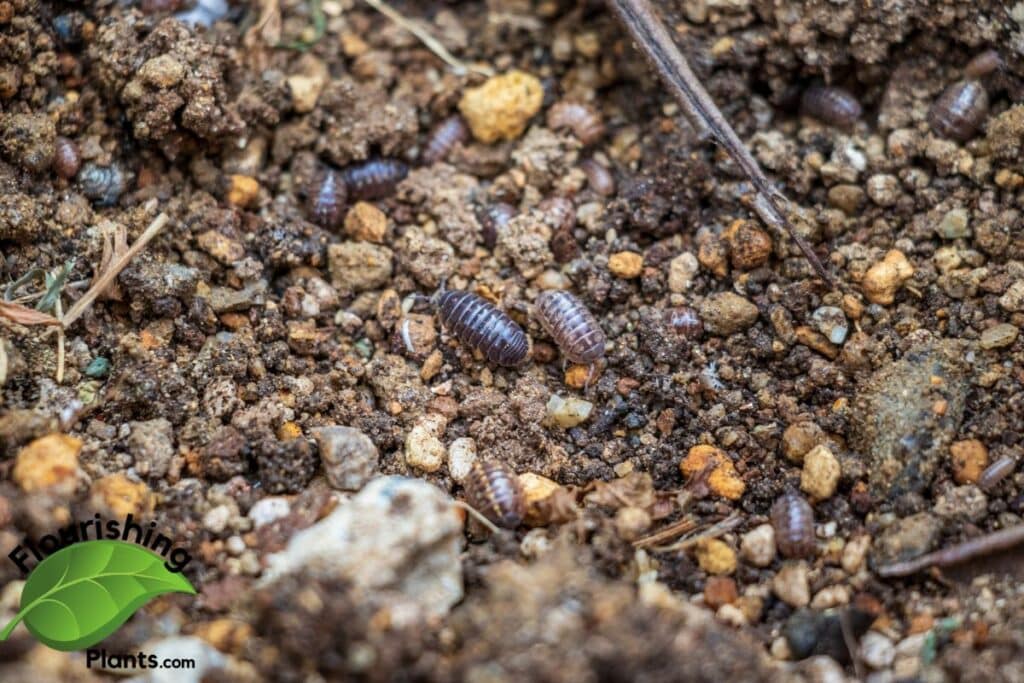
6 Types of Tiny Black Bugs in Soil
1. Fungus Gnats
Fungus gnats are probably the most common tiny black bugs you will find in your houseplant soil. The adult flies are a nuisance you will see them hovering around your plant or flying up when you water it but it is actually the larvae that cause the real damage.
What they look like:
Adults are tiny, dark-winged flies about 23mm long. They look similar to small mosquitoes. The larvae are even smaller, translucent, and worm-like, with a small black head.
What they do: The larvae live in the top 57cm of moist soil and feed on fungi, decaying matter, and most importantly plant roots. A light infestation causes minimal damage, but a heavy one can stunt growth, cause wilting, and eventually kill seedlings and young plants.
What causes them:
Consistently overwatered soil. Fungus gnat eggs need moisture to survive, so wet soil near the surface is an open invitation.
How to get rid of fungus gnats:
Let the top 2 inches of soil dry out completely between waterings this alone kills the eggs and larvae. For an active infestation, apply a hydrogen peroxide soil drench (1 part 3% hydrogen peroxide to 4 parts water) to kill larvae on contact. Yellow sticky traps placed near the soil surface will catch and monitor the adult flies. Repeat the soil drench every 5 – 7 days for 2 – 3 weeks until the population is gone.
2. Springtails
Springtails are one of those bugs that look alarming but are actually completely harmless to your plants. Many gardeners mistake them for a serious infestation when they first see them.
What they look like:
Springtails are tiny only about 12mm and can appear dark grey, black, or even bluish. Their most distinctive feature is that they jump when disturbed, thanks to a forked tail structure called a furcula that acts like a spring.
What they do:
Springtails feed exclusively on fungi, algae, and decaying organic matter in the soil. They do not eat plant roots or leaves. In healthy garden soil, they are actually beneficial because they help break down organic material and improve soil structure.
What causes them:
Like fungus gnats, springtails thrive in overly moist soil. They are often found in large numbers in newly purchased potting mix that was stored in damp conditions.
How to get rid of springtails:
In most cases, you do not need to treat springtails at all. Simply reduce your watering frequency and allow the soil surface to dry between waterings. The population will naturally decline. If the numbers are extreme and you want to speed up the process, a light application of food-grade diatomaceous earth sprinkled on the soil surface will reduce them quickly without harming the plant.
3. Root Aphids
Root aphids are one of the more serious bugs on this list and one of the hardest to spot because they live underground, hidden from plain sight. Many gardeners do not realize they have them until the plant is already struggling.
What they look like:
Root aphids are very small (about 1mm), oval-shaped, and can be dark brown, black, or grey. They are typically found clustered around the roots and at the base of the stem, just below the soil line. You may also notice a white, powdery wax residue around the root zone.
What they do:
Just like regular aphids, root aphids suck the sap from plant tissue but they do it underground, targeting the roots directly. Symptoms include unexplained wilting, yellowing leaves, stunted growth, and a plant that does not respond to feeding or watering changes.
What causes them:
Root aphids are usually brought in through an infected plant or contaminated potting mix. They spread easily between containers.
How to get rid of root aphids:
Remove the plant from its pot and inspect the roots. Rinse the roots thoroughly under running water to wash off as many aphids as possible. Repot in fresh, sterile potting mix. Treat the new soil with a neem oil drench (2 tablespoons of neem oil per gallon of water with a few drops of dish soap). Repeat the drench every 7 days for 3 – 4 weeks. Discard the old soil and clean the pot with a diluted bleach solution before reusing it.
4. Soil Mites
Soil mites are extremely common and found in virtually every outdoor garden and many potted houseplants. Like springtails, they are often harmless or even beneficial, but they can look quite alarming when you first notice them.
What they look like:
Soil mites are tiny most species are less than 1mm and appear as dark, slow-moving specks crawling through the soil. They have eight legs, which technically makes them arachnids rather than insects.
What they do:
Most soil mites are decomposers, feeding on dead plant matter, fungi, and bacteria. They play an important role in breaking down organic material and cycling nutrients back into the soil. A minority of species can feed on plant roots, but this is not common.
What causes them:
Soil mites are a natural part of healthy garden ecology. They are often introduced through outdoor soil, compost, or new plants brought in from a garden center.
How to get rid of soil mites:
If your soil mite population is not causing any visible harm to your plants, it is best to leave them alone. They are helping your soil. If numbers become excessive, reduce moisture levels, and top-dress the soil with a thin layer of horticultural sand to discourage them. For serious infestations, a neem oil soil drench is effective and will not harm beneficial organisms in the way chemical pesticides would.
5. Flea Beetles
Flea beetles are more commonly associated with above-ground leaf damage those tiny, round holes in brassica leaves but the adults will hide in the soil around the base of plants, and the larvae live underground feeding on roots.
What they look like:
Adult flea beetles are small (1.53mm), shiny, and black or dark bronze. Like springtails, they jump when disturbed. Unlike springtails, they are noticeably harder-bodied and move erratically on the soil surface.
What they do:
Adult flea beetles feed on plant foliage, creating small, round pits or holes in leaves. The larvae feed on plant roots and underground stems. They are a particular problem for seedlings and young vegetable transplants such as kale, cabbage, eggplant, and tomatoes.
What causes them:
Flea beetles are outdoor garden pests that are most active in spring and early summer. Warm, dry conditions tend to increase infestations.
How to get rid of flea beetles:
Floating row covers placed over seedlings immediately after transplanting are the most effective prevention. For an existing infestation, apply a mixture of 1 tablespoon of neem oil, a few drops of dish soap, and 1 litre of water as a foliar spray on affected plants and a soil drench around the base. Diatomaceous earth dusted around the base of plants and on the soil surface will kill adults on contact. Kaolin clay sprayed on leaves creates a physical barrier that deters adults from feeding.
6. Thrips (Soil Stage)
Most gardeners know thrips as a leaf pest the tiny, fast-moving insects that cause silvery streaking and stippling on foliage. What many do not realise is that thrips pupate in the soil, so you can find them there even when they are not visible on the leaves yet.
What they look like:
Thrips pupae in the soil appear as tiny, dark, elongated specks. Adult thrips are slender, about 1 – 1.5mm, and range from pale yellow to dark brown or black depending on the species.
What they do:
In the soil, thrips are in their pupal stage and are not causing damage yet. However, finding them in the soil is a sign of an active or incoming above-ground infestation.
What causes them:
Thrips are carried in on new plants, cut flowers, or by wind through open windows and doors. Once established, they reproduce quickly in warm conditions.
How to get rid of thrips:
Since thrips pupate in the top layer of soil, replacing the top 23cm of potting mix with fresh, sterile soil will remove a significant portion of the pupal population. Apply a neem oil drench to kill any remaining pupae. Treat the foliage simultaneously with a neem oil or insecticidal soap spray it is important to treat both the plant and the soil at the same time, otherwise the cycle will continue.
Quick Identification Guide
Use this table to quickly identify what you are dealing with:
| Bug | Size | Colour | Jumps? | Found On Roots? | Harmful? |
|---|---|---|---|---|---|
| Fungus gnat (larvae) | 15mm | Translucent / black head | No | Yes | Yes |
| Springtail | 12mm | Black / dark grey | Yes | No | No |
| Root aphid | ~1mm | Black / grey / brown | No | Yes clusters | Yes |
| Soil mite | <1mm | Dark brown / black | No | Rarely | Usually no |
| Flea beetle | 1.53mm | Shiny black | Yes | Larvae only | Yes |
| Thrips (pupa) | 1 – 1.5mm | Dark / elongated | No | No | Indirectly |
Universal Prevention Tips
Regardless of which bug you are dealing with, these habits will keep soil pests under control long-term:
1. Do not overwater.
This is the single most effective prevention. Most soil bugs especially fungus gnats and springtails thrive in consistently moist soil. Letting the top inch or two dry out between waterings removes the condition they need to reproduce.
2. Use well-draining potting mix.
Soil that retains too much water encourages pest populations. Mix in perlite or horticultural sand if your current mix stays wet for too long.
3. Inspect new plants before bringing them home.
Tip the plant out of the pot or check around the base of the stem before purchasing. This is how most infestations begin.
4. Sterilise reused pots.
Wash old pots with hot water and a diluted bleach solution (1 part bleach to 9 parts water) before replanting in them. Old soil can harbour eggs and larvae that survive between uses.
5. Apply neem oil preventatively.
A monthly neem oil soil drench (2 tablespoons per gallon of water) is a highly effective preventative treatment that does not harm earthworms or beneficial soil organisms.
6. Use yellow sticky traps.
These are an inexpensive way to monitor for flying insects like fungus gnats. If you start catching them, you know to act early before the population builds up.
The Bottom Line
Finding tiny black bugs in your soil can be unsettling, but most of the time it is manageable and sometimes it is not even a problem at all.
Start by identifying what you are dealing with using the guide above. If you have springtails or most soil mites, simply adjust your watering and leave them alone. If you have fungus gnats, root aphids, flea beetles, or thrips, act quickly with a neem oil drench, hydrogen peroxide treatment, or diatomaceous earth depending on the situation.
The most important takeaway is this: healthy, well-draining soil that is not kept constantly wet is your best defence against almost every soil pest on this list.
Related Posts:
- Insect Eggs in Garden Soil: Identification & Prevention
- White Worms in Soil: 4 Types with Pictures and What They Do
- Using Hydrogen Peroxide On Plants: 1 – 1 Uses & Mixing Ratios
- Using Sand to Prevent Gnats
Related Articles
Pepper leaves curling? Learn the 7 most common causes — from underwatering and heat stress to aphids and viral disease — plus step-by-step fixes to help your plants recover fast.
Pepper Leaves Turning Yellow: Why It Happens and How to Fix It
Pepper plant leaves turning yellow? Learn the 7 most common causes — from nitrogen deficiency to overwatering — and get specific, actionable fixes to bring your pepper plants back to health.