
You’ve probably heard that apple cider vinegar has a dozen uses around the house. But what about the garden? Maybe you’ve spotted a thread online claiming it kills fungus, lowers soil pH, or even chases away pests and you’re wondering if there’s any truth to it.
The short answer: yes, with some important caveats.
Apple cider vinegar helps plants by lowering soil pH for acid-loving species, acting as a mild fungicide when diluted 1 tablespoon per gallon, deterring pests like aphids and ants, and cleaning mineral deposits off leaves. Use it sparingly undiluted vinegar kills plants, and even diluted solutions should be tested on one leaf first. It works best as a spot treatment, not a regular fertilizer.
Before we get into specific uses, it helps to understand why apple cider vinegar does anything at all. Its acidity (pH around 3.1) is what drives most of its effects and that same acidity is exactly why it can damage plants if used carelessly. Keep that in mind as you read through each use below.
Apple Cider Vinegar Uses in the Garden
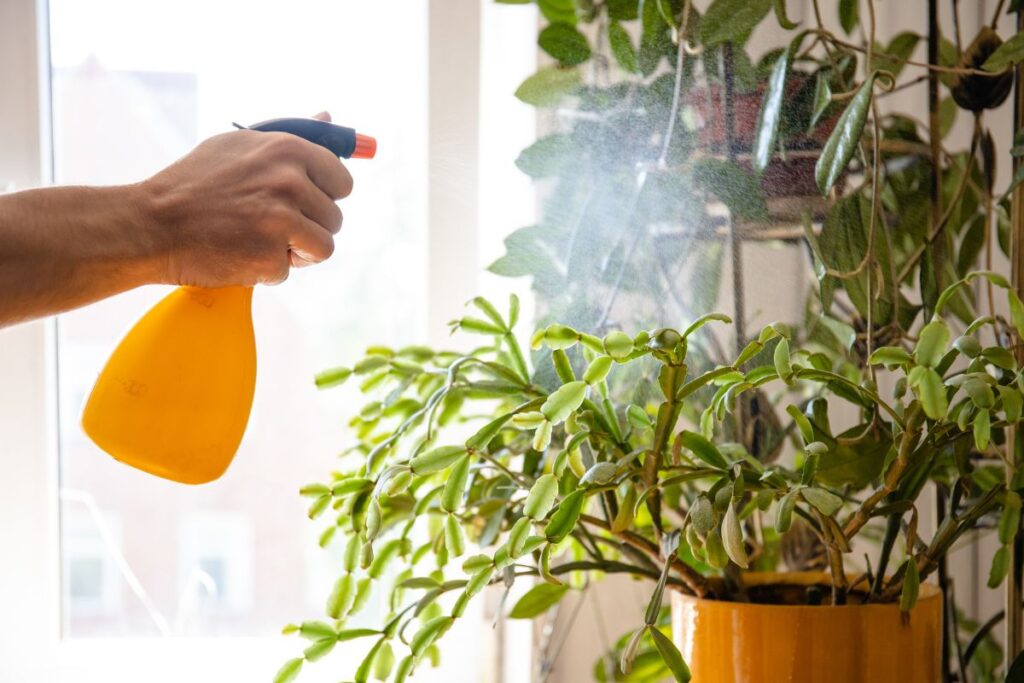
This is a broad topic with a few genuinely useful applications and a couple of myths worth clearing up. Let’s go through each use honestly what works, what doesn’t, and the exact dilution for each.
Lowering Soil pH for Acid-Loving Plants
Some plants blueberries, azaleas, rhododendrons, gardenias, and hydrangeas need acidic soil to thrive. If your soil pH is running too high (above 6.0), these plants struggle to absorb nutrients even when fertilizer is present.
Apple cider vinegar can nudge soil pH downward, but the effect is temporary. Vinegar breaks down quickly in soil and the pH will drift back toward its baseline within days or weeks.
How to use it for soil pH:
Mix 1 tablespoon of apple cider vinegar per gallon of water. Water your acid-loving plants with this solution no more than once every 2 – 4 weeks. Always test your soil pH before and after to track changes don’t apply blindly.
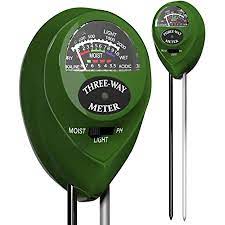
I keep a 3-in-1 soil meter on hand to track pH changes accurately it removes the guesswork when you’re adjusting for acid-loving plants.
Take the guesswork out of watering plants and keeping the soil moist. It is both cost-effective and durable.
Best of all, it also measures pH and light. It’s worth a look.
Note: For a significant or lasting pH shift, you’re better off using soil sulfur or acidic peat moss as a long-term amendment. ACV works as a short-term supplement between treatments, not a permanent fix.
This approach works best in container plants where the soil volume is small and the pH can actually be influenced without massive quantities of water. In large garden beds, you’d need so much ACV it becomes impractical.
Apple Cider Vinegar as a Mild Fungicide
Diluted ACV has antifungal properties. It can help slow or reduce mild cases of powdery mildew and some surface fungal issues particularly on vegetable plants and roses.
I’ve used a diluted ACV spray as a first-line response when I spot early powdery mildew on my squash. It won’t cure a heavy infection, but for light early-stage spots, it can stop the spread long enough to get conditions under control (better airflow, less overhead watering).
How to use it as a fungicide:
Mix 1 tablespoon of apple cider vinegar per gallon of water in a spray bottle. Test on one leaf first and wait 2 – 4 hours some plants are more sensitive than others. If there’s no leaf damage, spray affected areas in the early morning so the leaves dry before full sun hits them.
Don’t spray in direct midday sun. Even diluted acid on wet leaves can amplify light and cause burn spots.
For a deeper look at how vinegar interacts with plant tissue and what concentrations are safe, my full guide on using vinegar on plants covers the science and safety in more detail it’s worth reading alongside this one.
Using ACV to Deter Pests
Apple cider vinegar’s strong smell and acidity make it a reasonable pest deterrent for soft-bodied insects like aphids, as well as ants (which farm aphids and bring them to your plants).
The key word here is deterrent not killer. At safe concentrations for plants, ACV will not kill a heavy aphid infestation outright. But a light misting around the base of plants or on soil surfaces can discourage ants from marching up stems.
How to use it for pest deterrence:
Mix 1 tablespoon ACV per gallon of water for a plant-safe leaf spray. For ant deterrence around soil or pots, you can go slightly stronger up to 2 tablespoons per gallon but keep it off foliage at that concentration. Reapply after rain.
You can also soak a few cotton balls in undiluted ACV and place them near ant trails or around the base of pots this keeps the acid away from plant tissue while still releasing the scent.
Cleaning Mineral Deposits Off Leaves and Pots
If you use hard tap water, you’ve probably noticed white crusty deposits forming on terracotta pots, saucers, and sometimes on leaf surfaces of plants grown indoors. That buildup is calcium and magnesium carbonate and acid dissolves it easily.
This is actually one of the most practical uses for ACV in the home garden. A diluted solution of 1 tablespoon ACV per quart of water, wiped onto a terracotta pot with a cloth, will cut through mineral crust without any harsh chemicals.
For leaf surfaces (common on large-leafed tropical houseplants like monsteras and rubber plants), dampen a soft cloth with a very diluted ACV solution about 1 teaspoon per quart of water and gently wipe each leaf. This removes the mineral haze and gives leaves a natural sheen.
Don’t rinse with hard water right after you’ll just re-deposit minerals. Follow up with filtered or distilled water.
Can Apple Cider Vinegar Work as a Fertilizer?
This is where the claims get a bit shaky. Apple cider vinegar does contain trace minerals potassium, calcium, and some magnesium from the apples it was fermented from. You’ll see articles claiming this makes it a natural fertilizer.
In reality, those mineral concentrations are too low to meaningfully feed your plants. You’d need to apply so much ACV that the acidity would cause far more harm than the nutrient boost is worth.
Think of it this way: using ACV as a fertilizer is like trying to season dinner with a drop of water that once touched a salt shaker. The idea is there the delivery isn’t.
For actual nutrition, stick with a balanced liquid fertilizer or compost tea. ACV is not a fertilizer replacement.
Using ACV as a Weed Killer
Here’s one use that genuinely works but it requires keeping ACV away from your garden plants entirely.
Undiluted apple cider vinegar (or white vinegar at 510% acidity) is an effective contact herbicide for young weeds in sidewalk cracks, driveways, and garden paths. It desiccates leaf tissue on contact, killing the top growth quickly.
The limitation: it’s non-selective. It will kill any plant it touches including your flowers and vegetables. And because it only kills the top growth (not roots), established perennial weeds will regrow.
How to use it for weeds:
Use undiluted ACV directly from the bottle, applied with a spray bottle or brush. Apply on a dry, sunny day for maximum effect. Repeat in 2 – 3 days for stubborn weeds. Keep it entirely away from soil near garden plants the acidity can linger and affect root zones.
What NOT to Do With Apple Cider Vinegar on Plants
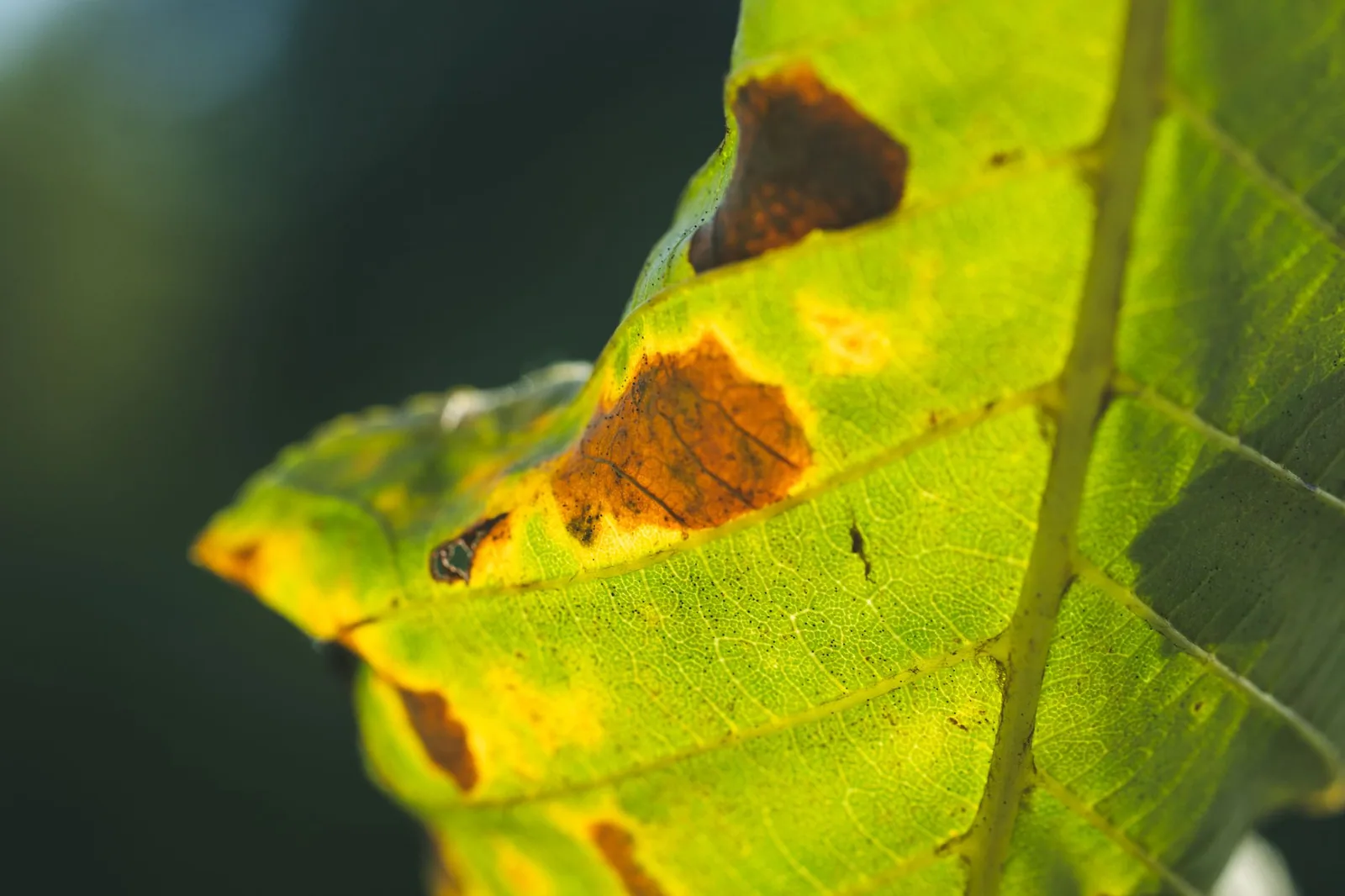
Before you start mixing, let’s be clear about the mistakes that actually hurt plants.
Don’t use it undiluted on or near plant roots. Even one or two applications of undiluted ACV poured into the soil can lower pH so dramatically that it creates a toxic environment. Root burn happens fast and recovery is slow.
Don’t apply it in direct sun. Acid on wet leaves in bright sunlight accelerates evaporation and concentrates the solution on the leaf surface, causing burn spots even at normally safe dilutions.
Don’t use it repeatedly on the same plants. ACV is a spot treatment and occasional supplement. Applying it weekly as a “tonic” will acidify soil over time and may harm plants that prefer neutral to alkaline conditions.
Don’t assume it’s safe for every plant. Succulents and cacti that prefer alkaline or neutral soil will not benefit from ACV it can stress them. Always test on one leaf or one small area first.
Quick Reference: Apple Cider Vinegar Dilution Guide
| Use | Dilution | Frequency |
|---|---|---|
| Soil pH adjustment | 1 tbsp per gallon of water | Once every 2 – 4 weeks |
| Fungicide spray | 1 tbsp per gallon of water | Once a week (early morning) |
| Pest deterrent (leaves) | 1 tbsp per gallon of water | After rain or as needed |
| Ant deterrent (soil/pots) | 2 tbsp per gallon of water | As needed |
| Leaf/pot cleaning | 1 tsp per quart of water | As needed |
| Weed killer | Undiluted | Every 2 – 3 days |
Which Plants Respond Best to ACV?
Apple cider vinegar applications are most appropriate for acid-loving plants. These include:
- Blueberries prefer pH 4.5 – 5.5
- Azaleas and rhododendrons prefer pH 4.5 – 6.0
- Gardenias prefer pH 5.0 – 6.0
- Hydrangeas pH also influences bloom color
- Camellias prefer pH 5.5 – 6.5
- Ferns tolerate mild acidity well
Neutral or alkaline-preferring plants lavender, clematis, brassicas, most herbs should not receive regular ACV treatments. Occasional fungicide sprays may be fine, but watch carefully for any leaf sensitivity.
Frequently Asked Questions
Is apple cider vinegar safe for all plants?
No. Acid-loving plants like blueberries and azaleas tolerate diluted ACV well. Neutral or alkaline-preferring plants can be stressed by regular applications. Always test on a single leaf and wait 2 – 4 hours before wider application.
Can I add apple cider vinegar to my watering can every time I water?
You shouldn’t. Even diluted ACV applied too frequently will progressively acidify soil and potentially harm plants. Limit soil applications to once every 2 – 4 weeks at most.
How much apple cider vinegar should I put in a spray bottle for plants?
The standard safe dilution for most plant sprays is 1 tablespoon of ACV per gallon of water (or roughly ¼ teaspoon per 1 – 6 oz bottle). Always test on one leaf before spraying an entire plant.
Does apple cider vinegar kill aphids?
At concentrations safe for plants, it deters rather than kills aphids. Higher concentrations that kill aphids will also damage leaves. For heavy infestations, use insecticidal soap or neem oil they’re effective without harming foliage.
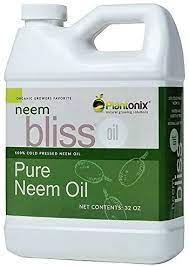
For heavier pest pressure, I finish with a neem oil spray it’s more reliable than ACV alone when aphid colonies are already established.
I use bliss pure neem oil from Amazon for a great price. It works great when it comes to shining leaves and provides a layer of protection for plants against common pests.
Can I use apple cider vinegar to lower pH in a hydroponic system?
This is not recommended. ACV can introduce bacteria and organic compounds that destabilize hydroponic nutrient solutions. Use pH-Down products specifically formulated for hydroponics instead.
Will apple cider vinegar hurt earthworms?
At low concentrations, occasional ACV applications likely have minimal effect on earthworms, which tolerate mild acidity. However, repeated applications or higher concentrations could acidify soil enough to drive worms out of the area.
The Bottom Line
Apple cider vinegar earns a place in the garden toolkit but a specific, limited one. It’s genuinely useful for nudging pH toward acidic for blueberries and azaleas, as a first-line spray for mild fungal issues, as a pest deterrent, and for cleaning mineral buildup off pots and leaves.
What it’s not: a fertilizer, a cure-all, or something to pour directly onto soil or plants undiluted. The acidity that makes it useful is exactly what makes it dangerous when misused.
Stick to 1 tablespoon per gallon for any plant-contact application, test on a single leaf first, and treat it as a supplement to good growing practices not a replacement for them.
Related Posts
- How to Lower Soil pH Naturally for Acid-Loving Plants
- Neem Oil for Plants: How to Use It Safely
- How to Get Rid of Aphids on Plants Naturally
Related Articles
Pepper leaves curling? Learn the 7 most common causes — from underwatering and heat stress to aphids and viral disease — plus step-by-step fixes to help your plants recover fast.
Pepper Leaves Turning Yellow: Why It Happens and How to Fix It
Pepper plant leaves turning yellow? Learn the 7 most common causes — from nitrogen deficiency to overwatering — and get specific, actionable fixes to bring your pepper plants back to health.