
You might wonder if a garden planner is really necessary for your gardening journey.
While some manage just fine without one, a planner can streamline your efforts and enhance your results.
It helps you avoid common pitfalls and visualize your garden’s potential. But is it truly worth the investment of your time and effort?
Is a Garden Planner Necessary?
Is a garden planner really necessary for your gardening success?
While you might think you can manage without one, the truth is that planning can significantly enhance your gardening experience.
A planner helps you track essential details like planting dates, growth progress, and pest management, allowing you to learn from each season.
It also lets you visualize layouts, experiment with plant placements, and plan crop rotations that boost health and yield.
Without a planner, you risk repeating mistakes and missing out on valuable insights.
Whether you choose a simple notebook or digital software, a garden planner can be a powerful tool in your quest for mastery, ensuring you make informed decisions and optimize your efforts.
Plan smarter. Grow better. 🌱
Turn your garden into a thriving, organized ecosystem with a planner designed for real results. Visualize sunlight and shade, map out square-foot beds, track pests, and plant with confidence using companion and zone-based guidance.

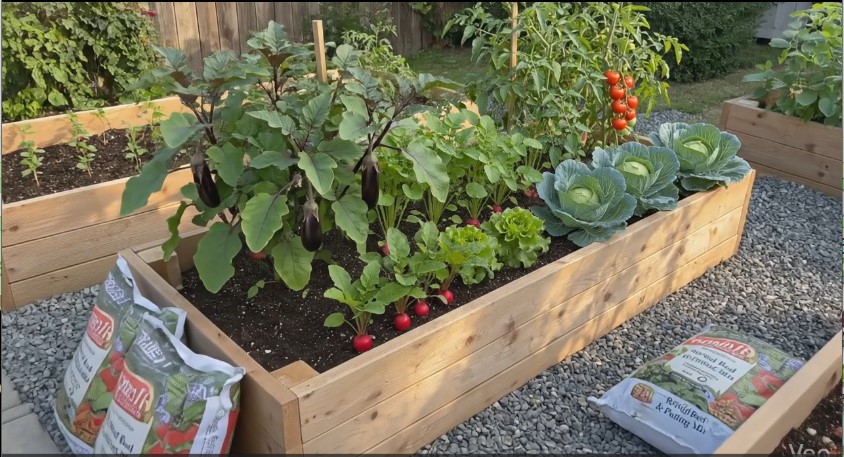
Why a Garden Planner is Essential for Gardening Success
A garden planner is your key to avoiding costly errors and waste while maximizing yield and plant health.
By organizing your efforts, you’ll save time and energy season after season, making your gardening experience smoother.
Plus, it helps you achieve both your aesthetic and functional goals, transforming your garden into the space you envision.
Avoiding Costly Errors and Waste
How can you avoid costly errors and waste in your garden? A garden planner is your best ally.
By keeping track of planting dates, varieties, and growth conditions, you’ll learn from past mistakes and successes.
This organized approach helps you identify which plants thrive and which don’t, preventing unnecessary replanting and wasted resources.
Visualizing your garden layout allows you to experiment with plant placement, reducing overcrowding and ensuring optimal growth.
With a planner, you can also plan for crop rotation and companion planting, which further minimizes pest issues and enhances soil health.
Maximizing Yield and Plant Health
Gardening success often hinges on maximizing yield and maintaining plant health, and that’s where a garden planner shines.
With a planner, you can meticulously track plant varieties, growth progress, and even pest issues.
This documentation allows you to assess what thrives in your unique environment, guiding future planting decisions.
You can visualize your garden layout, experiment with companion planting, and rotate crops effectivelyall crucial for optimizing yields.
Moreover, planners help you schedule tasks like sowing and harvesting based on your hardiness zone, ensuring your plants receive the care they need at the right time.
By using a garden planner, you’re not just gardening; you’re cultivating an environment where plants can flourish, leading to a vibrant, productive garden season after season.

Saving Time and Effort Season After Season
While managing a garden can be rewarding, it often demands significant time and effort, especially as seasons change.
A garden planner streamlines this process, allowing you to efficiently track and record important details.
By noting planting dates, growth patterns, and pest issues, you’ll avoid repeating past mistakes and make informed decisions moving forward.
With a planner, you can visualize layouts and experiment with plant placements, saving you time during busy seasons.
It helps you prioritize tasks like sowing and harvesting, ensuring nothing slips through the cracks.
Plus, by optimizing your plant choices, you’ll prevent unnecessary purchases, making your gardening experience not only more enjoyable but also more productive.
Investing in a planner is a smart step toward mastering your gardening journey.
Achieving Your Aesthetic and Functional Goals
What if you could seamlessly blend beauty and functionality in your garden?
A garden planner is your key to achieving that perfect balance.
It allows you to sketch layouts, experiment with plant arrangements, and visualize seasonal changes, ensuring your garden reflects your aesthetic while serving practical needs.
By documenting your successes and challenges, you can refine your approach over time, avoiding past mistakes.
Whether it’s choosing companion plants or planning for crop rotation, a planner keeps your goals clear and actionable.
Plus, with digital tools, you can receive tailored reminders and insights based on your region.
Invest in a garden planner, and watch your vision transform into a thriving, harmonious space that meets both your functional and aesthetic desires.
Common Mistakes to Avoid in Your Garden Plans
When planning your garden, it’s easy to overlook key factors that can lead to frustration and failure.
Ignoring sun exposure, overcrowding plants, or neglecting soil health can severely impact your results.
Let’s explore some common mistakes to avoid so you can set yourself up for success.
Ignoring Sun Exposure and Water Access
One of the biggest mistakes gardeners make is ignoring sun exposure and water access when planning their gardens.
Sunlight is crucial for plant growth; without adequate light, your plants may struggle to thrive.
Take the time to observe your garden space throughout the day to identify sunny and shaded areas.
Water access is equally important. Ensure your plants can easily receive the right amount of moisture, whether through natural rainfall or irrigation systems.
Consider the proximity of water sources when positioning your garden beds.
Overcrowding or Improper Spacing
Ignoring sun exposure and water access can lead to a host of problems in your garden, and overcrowding or improper spacing is one of the most common pitfalls.
When you plant too closely, you restrict airflow and light, inviting pests and diseases.
Each plant needs room to grow, so take the time to research their mature sizes.
Use your garden planner to sketch out your layout, ensuring ample space between plants. This not only promotes healthier growth but also maximizes yield.
Neglecting Soil Health and Amendments
Soil health plays a crucial role in your garden’s success, yet many gardeners overlook this vital aspect.
Ignoring soil quality can lead to stunted growth, poor yields, and increased susceptibility to pests.
Regularly test your soil to understand its pH, nutrient levels, and texture.
Without this knowledge, you might miss the opportunity to amend your soil effectively.
Incorporate organic matter like compost or well-rotted manure to enrich nutrient content and improve soil structure.
Don’t forget about essential micronutrients; they’re just as important as macronutrients.
Use your garden planner to track amendments and monitor changes over time.
Overlooking Plant Compatibility and Rotation
Many gardeners underestimate the importance of plant compatibility and crop rotation, which can lead to a host of problems.
If you plant incompatible species too close together, you risk stunted growth, pest infestations, and diseases.
For instance, pairing legumes with heavy feeders like corn can deplete essential nutrients.
Crop rotation is equally crucial; planting the same crops in the same spot year after year can deplete soil nutrients and increase pest issues.
A garden planner helps you track which plants thrived and where they were located, allowing you to make informed rotations.
By prioritizing compatibility and rotation, you’ll enhance your garden’s health and productivity, leading to a more fruitful growing experience.
Unrealistic Expectations and Over-committing
Setting realistic expectations is crucial for a successful gardening experience.
Many gardeners dive in, envisioning lush blooms and bountiful harvests, only to find themselves overwhelmed.
You might overcommit to too many plants or complex layouts, leading to frustration and burnout.
Focus on what you can realistically manage, especially if you’re new to gardening.
Start with a few varieties that excite you, and gradually expand as you gain confidence and experience.
Keep track of your progress in a planner to assess what works best for your space and lifestyle.
Designing the Optimal Layout for Your Vegetable Garden

When designing the optimal layout for your vegetable garden, you’ll want to assess your space for sun, water, and soil conditions.
Choosing the right layout stylewhether it’s rows, raised beds, or square footcan make a big difference in productivity.
Don’t forget to incorporate companion planting and plan for vertical growth to maximize your garden’s potential.
Assessing Your Space: Sun, Water, and Soil
To create an optimal layout for your vegetable garden, you’ll want to take stock of your space by assessing sunlight, water availability, and soil quality.
These elements are crucial for healthy growth and productivity.
Identify how many hours of direct sunlight your garden receives daily. Most vegetables thrive with 6-8 hours of sunlight.
Check your water sources. Ensure you have easy access to irrigation or natural rainfall to keep your plants hydrated.
Test your soil for drainage and nutrient levels. Healthy soil should be loose, rich in organic matter, and have a neutral pH.
Choosing the Right Layout Style (Rows, Raised Beds, Square Foot)
Choosing the right layout style for your vegetable garden can make a significant difference in both productivity and ease of maintenance. Here€™s a quick overview of three popular styles:
| Layout Style | Advantages |
|---|---|
| Rows | Easy access, effective for larger spaces. |
| Raised Beds | Improved drainage, better soil control. |
| Square Foot | Maximizes space, ideal for small gardens. |
Each style has its unique benefits. Rows work well for larger areas, allowing you to cultivate more plants. Raised beds offer better soil conditions and reduce weeds.
Square foot gardening is perfect for maximizing productivity in limited space. Choose the style that aligns with your goals, and watch your garden thrive!
Incorporating Companion Planting and Crop Rotation

Integrating companion planting and crop rotation into your garden design can significantly enhance plant health and yield.
By thoughtfully combining plants and rotating them, you can optimize space and resources.
- Pair Plants Wisely
Some plants thrive together, like tomatoes and basil, while others can hinder growth, like beans and onions. Research compatible combinations to maximize benefits. - Rotate Crops Annually
Changing the location of your crops each year prevents soil depletion and reduces pest buildup. Follow a simple rotation plan, such as grouping plants by family. - Monitor and Adjust
Keep track of what works in your garden planner. Adjust your strategies based on observations and seasonal changes for continuous improvement.
Planning for Vertical Growth and Pathways
When designing your vegetable garden, you’ll want to map out both vertical growth and pathways for optimal space utilization.
Vertical gardening techniques, like trellises and cages, help maximize your yield while minimizing ground space.
Make sure your pathways are wide enough for easy access but narrow enough to conserve space.
Here€™s a simple layout to consider:
| Plant Type | Growth Habit | Vertical Support |
|---|---|---|
| Tomatoes | Tall | Trellis |
| Cucumbers | Spreading | Cage |
| Peas | Climbing | Netting |
The Takeaway
In conclusion, while a garden planner isn’t mandatory, it can truly elevate your gardening experience.
By helping you avoid common pitfalls, visualize your layout, and track essential details, it paves the way for a thriving garden.
Whether you’re a beginner or experienced gardener, using a planner can save you time and effort while maximizing your garden’s potential.
So, if you want to cultivate a beautiful and productive space, consider making a garden planner your trusty companion.
Related Articles
Pepper leaves curling? Learn the 7 most common causes — from underwatering and heat stress to aphids and viral disease — plus step-by-step fixes to help your plants recover fast.
Pepper Leaves Turning Yellow: Why It Happens and How to Fix It
Pepper plant leaves turning yellow? Learn the 7 most common causes — from nitrogen deficiency to overwatering — and get specific, actionable fixes to bring your pepper plants back to health.